



Global financial markets faced significant declines on Tuesday, driven by mounting concerns over escalating energy prices amid ongoing conflict in the Middle East. European stock indices fell over 3%, marking their largest one-day decline since the introduction of trade tensions initiated by former President Donald Trump in April. In the U.S., stock markets also reflected a downturn, with afternoon trading showing a nearly 1% decrease.
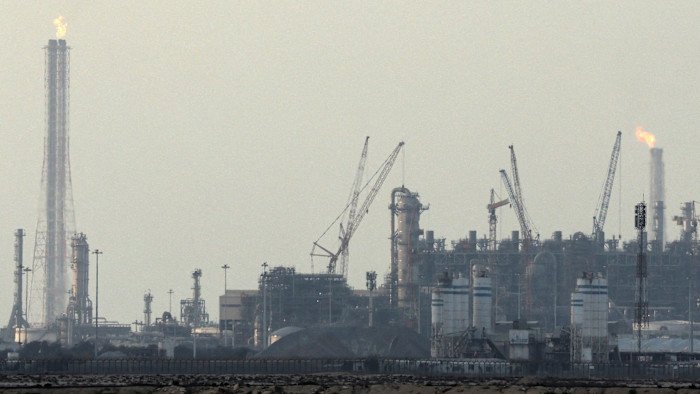
This market slide was exacerbated by a disruption in oil production from Iraq, which announced it was shutting down its largest oilfields due to a scarcity of tankers willing to traverse the conflict-volatile Strait of Hormuz. As a result, oil prices surged briefly to a 19-month high, surpassing $85 a barrel, before stabilizing around $81 later in the day. Similarly, natural gas prices in Europe nearly doubled within the week, following QatarEnergy’s suspension of production, while Asian LNG markets experienced a 65% increase.
The regional unrest is intensifying, with a notable escalation in military actions. The U.S. has evacuated its embassies in Saudi Arabia, Kuwait, and Beirut, advising American citizens to leave the region. Concurrently, Israel has launched extensive airstrikes targeting Iranian infrastructure, while Iran has retaliated against U.S. interests in the area.
Experts warn that persistent oil and gas price hikes could prompt central banks to reconsider their interest rate strategies, moving focus back to controlling inflation. German Chancellor Friedrich Merz highlighted the economic implications of rising energy costs and expressed hope for a resolution to the conflict.
While some analysts suggest a shift in market sentiment towards a prolonged conflict, which they believe could lead to stagflation, others see it as panic selling within the markets.
Why this story matters:
- Ongoing conflicts have potential global economic ramifications, particularly affecting energy markets.
Key takeaway:
- Escalating tensions in the Middle East are causing significant fluctuations in energy prices, impacting global markets and investment strategies.
Opposing viewpoint:
- Despite the current market volatility, some analysts argue it reflects excessive complacency and may adjust as the situation stabilizes.