



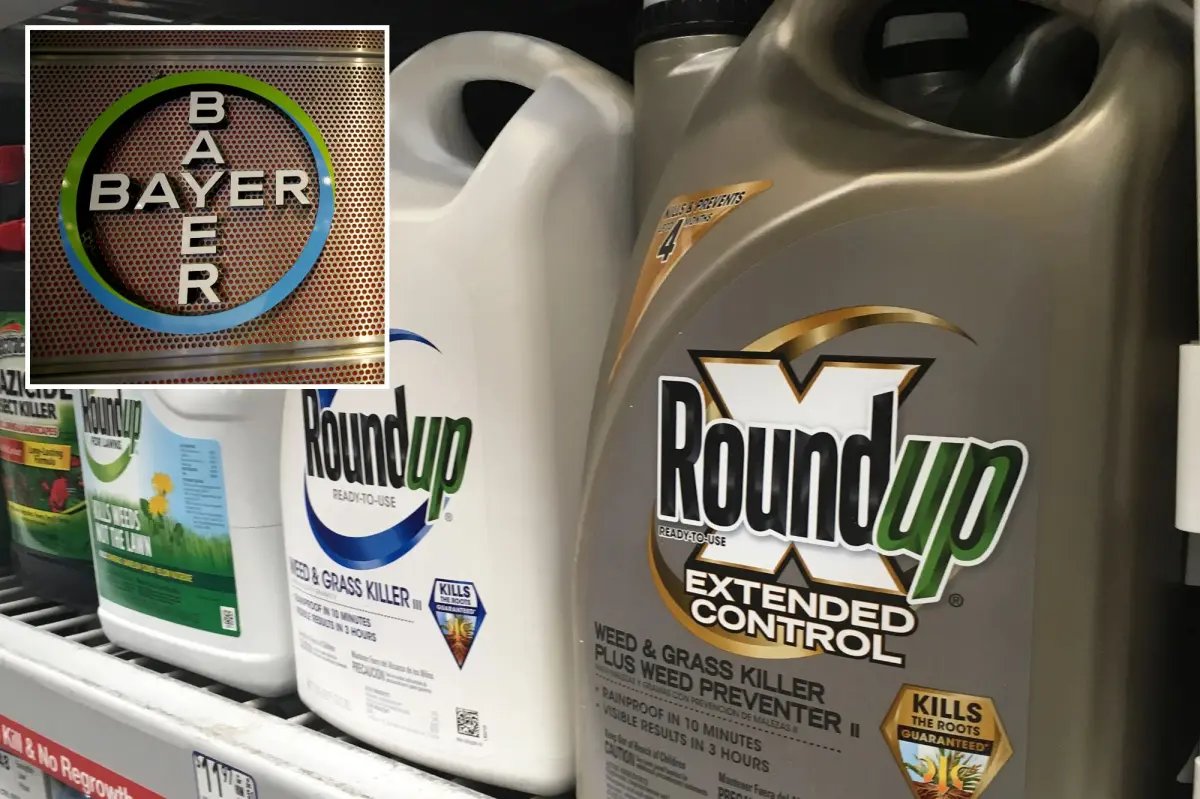
The U.S. Supreme Court has agreed to hear Bayer’s appeal regarding lawsuits that allege its Roundup weedkiller causes cancer, potentially limiting the company’s liability and avoiding billions in damages. This decision follows a Missouri Court of Appeals ruling that upheld a $1.25 million verdict awarded to John Durnell, a plaintiff who developed non-Hodgkin’s lymphoma after prolonged exposure to Roundup.
Bayer’s shares rose nearly 5% following the announcement of the court’s decision to hear the case, although the timeline for oral arguments has yet to be set. The company argues that federal law preempts state-level lawsuits, positing that it should not face liability under state laws if it complies with federal labeling requirements mandated by the Environmental Protection Agency (EPA). Bayer’s CEO, Bill Anderson, emphasized the importance of the court’s decision within the company’s strategy to manage ongoing litigation.
The administration under President Trump had previously supported Bayer’s appeal, with U.S. Solicitor General D. John Sauer asserting that federal pesticide laws are on Bayer’s side. Bayer claims that extensive studies have established the safety of Roundup and its active ingredient, glyphosate, which the EPA has deemed non-carcinogenic.
The company has settled many Roundup-related lawsuits—paying around $10 billion as of 2020—but still faces claims from approximately 65,000 plaintiffs. Bayer’s mixed trial outcomes include both significant victories and substantial jury awards against them in prior cases.
Bayer has even indicated the possibility of withdrawing Roundup from the U.S. market while exploring alternative weed-killing products.
Why this story matters:
- The outcome could set a legal precedent affecting corporate liability in similar cases.
Key takeaway:
- Bayer seeks to limit its exposure to lawsuits by arguing for federal preemption over state claims relating to product safety.
Opposing viewpoint:
- Plaintiffs argue that Bayer’s marketing did not adequately inform users of potential health risks beyond regulatory labels.