

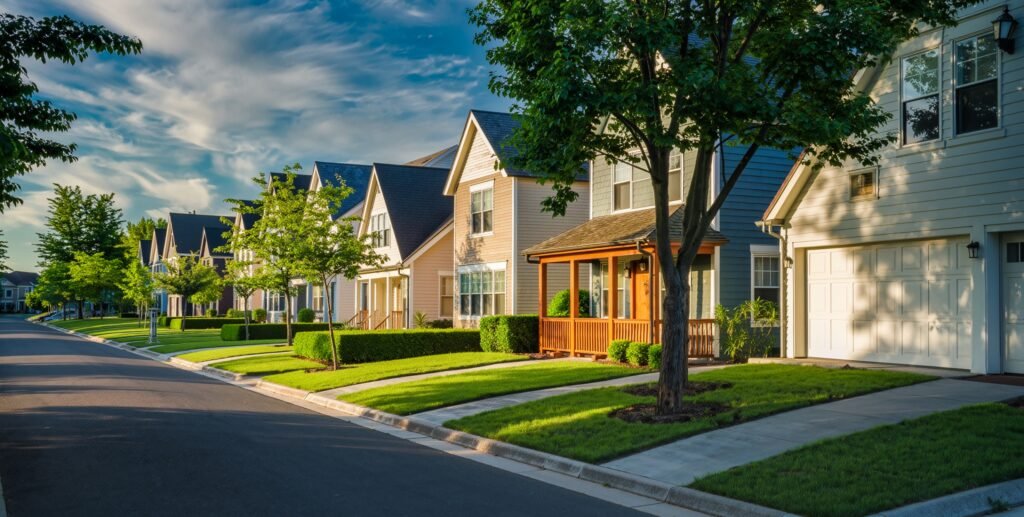
House prices, insurance premiums, and now rising property taxes contribute to an increasingly unaffordable housing landscape in the United States. According to analysis from the Urban-Brookings Tax Policy Center, the median property tax bill across the country increased by 30% from 2019 to 2024. This rise varies significantly by state, with WalletHub estimating that the average American household now pays approximately $3,119 annually in property taxes. Notably, effective tax rates can be more than eight times higher in the most expensive states compared to those with the lowest rates.
The Atlanta Federal Reserve’s Home Ownership Affordability Monitor reveals that the median-priced home now demands about 42% of median income. The combined costs of mortgage payments, taxes, and insurance have surged significantly, doubling from $1,564 to $3,114 in just five years. Economic factors, including post-pandemic interest rate hikes, have exacerbated the situation, creating a scarcity of homes as potential sellers hold onto lower mortgage rates.
Certain states face particularly high tax burdens. New Jersey leads with an average property tax bill reaching nearly $12,000, while lower-tax states like Hawaii and Alabama boast much more manageable rates. Nonetheless, high taxes often correlate with better public services, which can attract higher rents.
Investors are advised to consider not just tax rates but also the overall economic context of potential rental properties. While lower taxes may seem appealing, they could come at the cost of local infrastructure, which might ultimately lead to decreased desirability and rental income.
Why this story matters
- Property taxes are a critical element affecting housing affordability, impacting both homeowners and renters.
Key takeaway
- The burden of rising property taxes and associated costs is reshaping the rental market, making cash flow for landlords increasingly challenging.
Opposing viewpoint
- High taxes can be justified if they fund better local services and infrastructure, potentially attracting higher rental prices and quality tenants.