
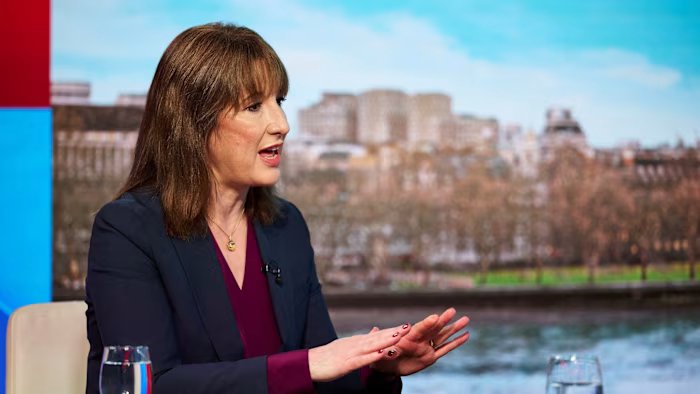
Keir Starmer is emphasizing that his government has made significant decisions aimed at alleviating the financial strains faced by households this year. In a recent Budget, Rachel Reeves undertook an unprecedented approach by utilizing government spending to lower inflation. This includes subsidies for household energy bills and a freeze on rail fares in England, excluding London, where fare increases are mandated in exchange for new infrastructure funding.
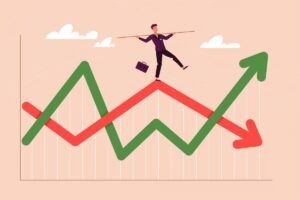
The current approach is seen as politically strategic, recognizing that voters are particularly sensitive to inflation and the associated cost of living crisis, a sentiment that echoes experiences from previous decades. Voter shifts from Labour to other parties like the Greens and Liberal Democrats are largely influenced by economic pressures rather than cultural values. However, the strategies employed, while aimed at short-term gains, could have long-term repercussions. The freeze on train fares could hinder necessary investments in the rail network, and keeping energy costs low may detract from funds needed to enhance the national energy grid.
Starmer and Reeves appear focused on immediate solutions to keep their leadership secure rather than long-term economic stability. Several government officials have characterized the latest Budget as a “pre-election Budget,” intended to solidify their position within the Labour Party amid growing internal pressures.
In broader political news, Starmer faces criticism for not condemning the US actions against Venezuela as illegal and struggles to assure pro-Europeans within his party regarding future relations with the EU. Furthermore, local authorities in England are reportedly at risk of failing to meet government planning targets without extending deadlines, complicating Labour’s ambitions to promote housing and infrastructure growth.
Why this story matters:
- The government’s economic strategy reflects a responsiveness to voter concerns over inflation and cost of living.
Key takeaway:
- Short-term financial relief measures could pose risks to long-term economic infrastructure and planning.
Opposing viewpoint:
- Critics argue that prioritizing immediate political survival over sustainable economic policies could undermine future growth and investment.