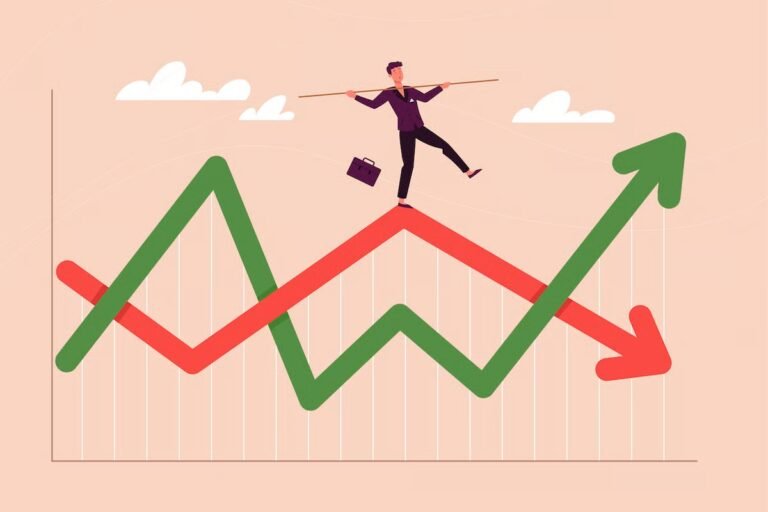


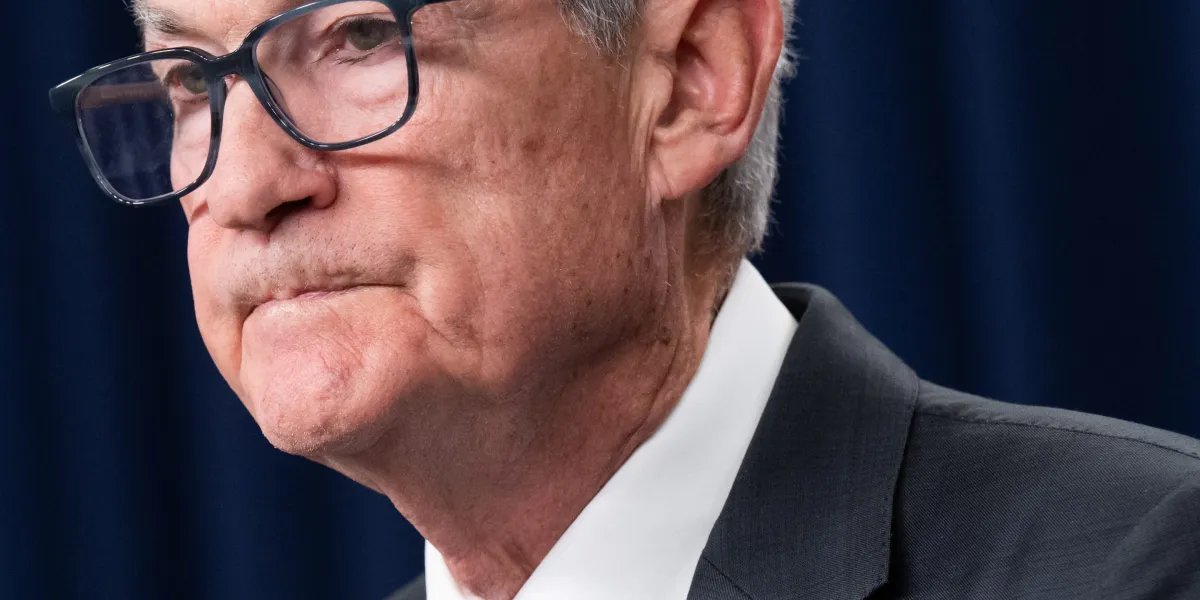
Federal Reserve Chair Jerome Powell indicated on Wednesday that the U.S. labor market may be weaker than current statistics show. KPMG Chief Economist Diane Swonk cautioned that the Fed could be misinterpreting this slowdown in hiring, which may actually stem from structural factors such as advancements in artificial intelligence (AI) and a decline in immigration, rather than a decrease in demand. According to Swonk, if this interpretation is correct, reducing interest rates would not address the underlying issues and could potentially exacerbate inflation.
The Fed has been cutting rates for the third consecutive meeting, with the federal funds rate now between 3.5% and 3.75%. This decision reflected a divided committee, with notable dissent— the first since 2019— where some members advocated for larger cuts, while others pushed for maintaining the current rates. In a recent statement, the Fed flagged potential changes in monetary policy, emphasizing the need to assess economic data and risks carefully.
Powell acknowledged that AI might be influencing the labor market, with some major employers like Amazon implementing hiring freezes due to automation. However, he argued that the impact of AI hasn’t fully materialized yet and that the decrease in labor supply is also linked to reduced immigration rates. Swonk warned that misunderstandings regarding labor market dynamics could jeopardize the Federal Reserve’s credibility, especially amid increasing federal debt and risks of inflation.
Looking ahead, Swonk anticipates a pause in rate cuts by early next year but cautions that failure to see a decline in inflation could lead to market unease regarding further reductions.
Key Points:
- Why this story matters: Misinterpretation of labor market conditions could affect Federal Reserve policy and inflation levels.
- Key takeaway: Structural changes in the economy, such as AI and immigration policy, complicate responses to labor market weaknesses.
- Opposing viewpoint: Some Fed members advocate for more aggressive rate cuts, believing it is necessary to stimulate demand amid economic uncertainty.