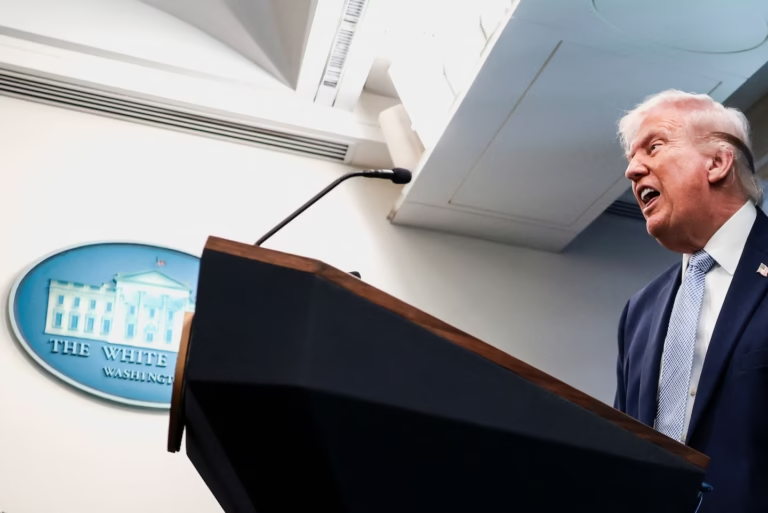



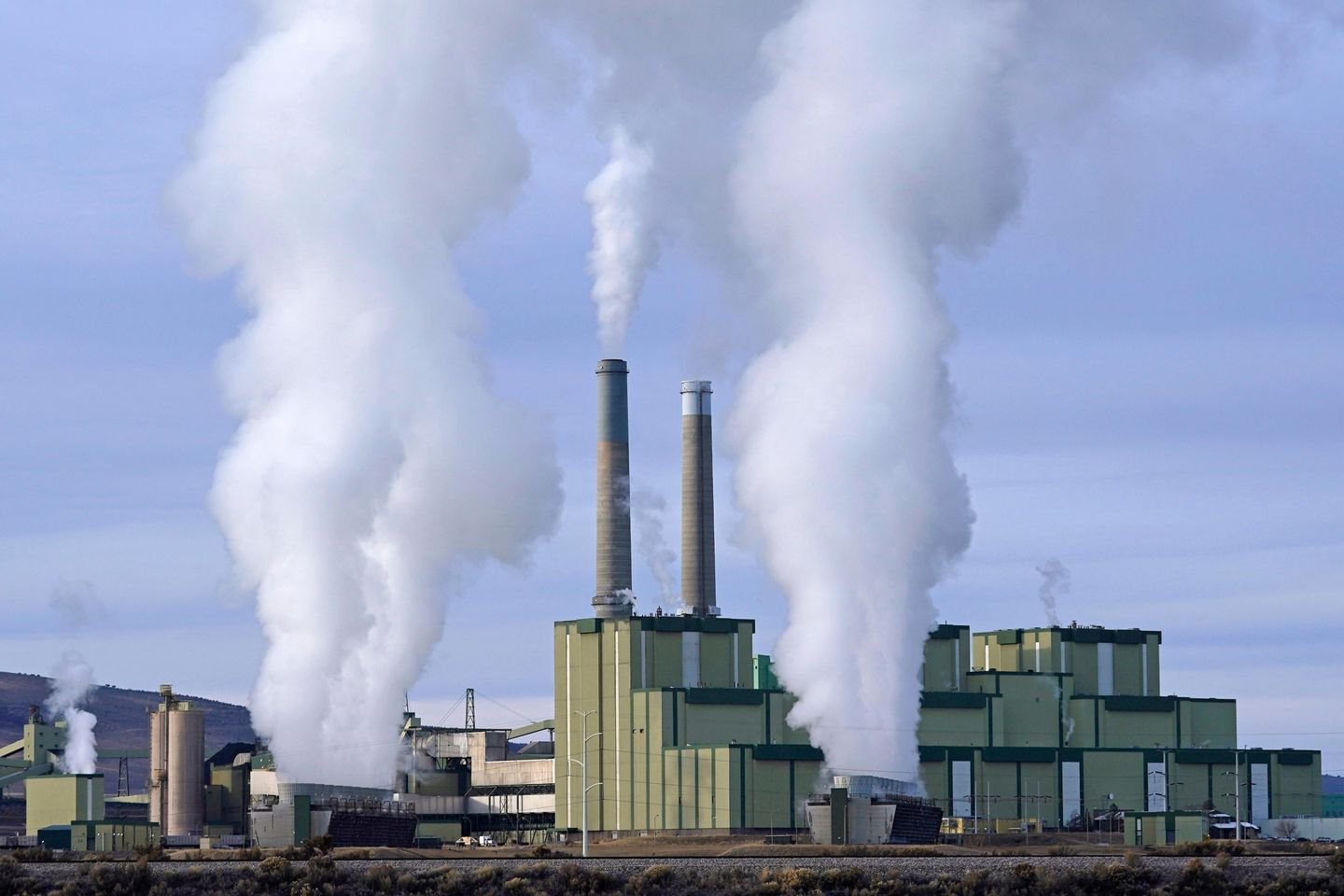
The Trump administration has directed the operators of a coal-fired power plant in Colorado to extend its operational period, overriding its scheduled retirement date of Wednesday. This decision continues the administration’s pattern of intervening in the energy sector to support coal power, which has faced significant declines in recent years due to economic and environmental pressures.
The Colorado facility is part of a broader initiative to sustain coal power generation while the administration promotes domestic energy production. This move contrasts with increasing reliance on renewable energy sources and a growing push for cleaner alternatives amid concerns about climate change and environmental impacts.
Supporters of the decision argue that maintaining coal plants is essential for job preservation and energy security, asserting that these facilities provide reliable power. However, critics contend that this approach undermines progress toward a more sustainable energy future and may delay investments in renewable energy technologies.
As the energy landscape continues to evolve, the implications of such governmental interventions will be closely monitored, particularly as states and companies expand their commitments to reduce carbon emissions and transition to greener solutions.
Why this story matters:
- It highlights the ongoing debate over energy policy and the future of coal in the U.S. economy.
Key takeaway:
- The Trump administration continues to advocate for coal power, impacting transition efforts toward renewable energy.
Opposing viewpoint:
- Critics argue that extending the operation of coal facilities hinders progress toward cleaner energy alternatives.