

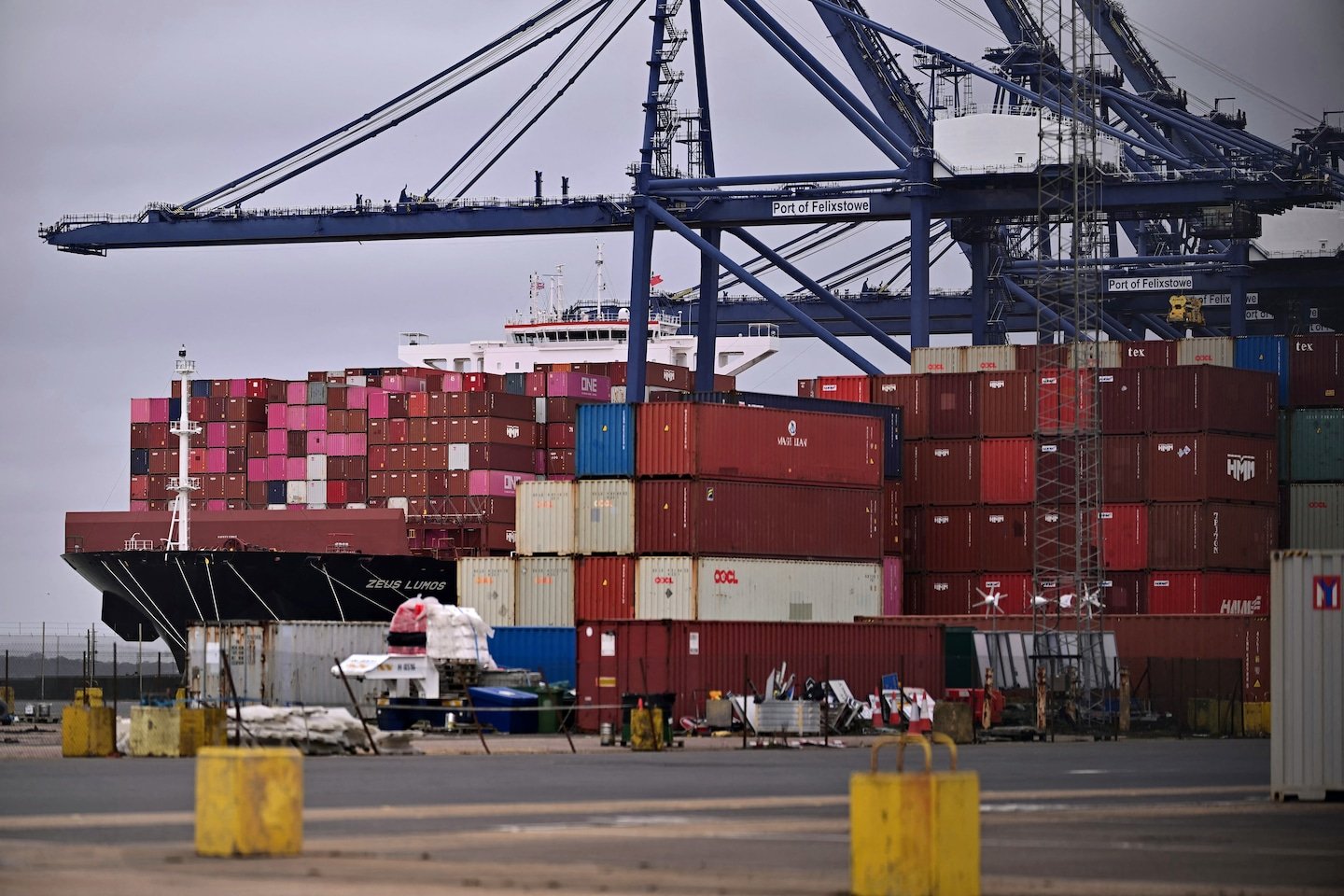
The White House is evaluating the possibility of temporarily waiving the Jones Act, a shipping law dating back a century, in response to ongoing global shipping disruptions linked to increased tensions in the Middle East. The situation has been exacerbated by a series of military strikes involving the United States and Israel targeting Iran, causing significant delays in shipping operations around the Strait of Hormuz.
For nearly two weeks, shipping timelines have been adversely affected, leading to rising costs and elevated oil prices. These developments have contributed to a noticeable increase in gas prices in the United States. This rise poses a challenge for the Trump administration, which has previously emphasized its success in lowering fuel prices over the past year. A waiver of the shipping law could potentially allow for a greater number of vessels to reach U.S. ports, alleviating some of the disruptions currently facing the market.
As the administration considers this measure, it remains focused on addressing both the supply chain issues and the economic ramifications for American consumers.
Why this story matters:
- The potential waiver could significantly impact U.S. shipping operations and fuel prices.
Key takeaway:
- Increased military tensions in the Middle East are disrupting global shipping and driving up oil prices, prompting government action.
Opposing viewpoint:
- Critics argue that waiving the Jones Act might undermine domestic shipping and safety standards while providing only temporary relief.