

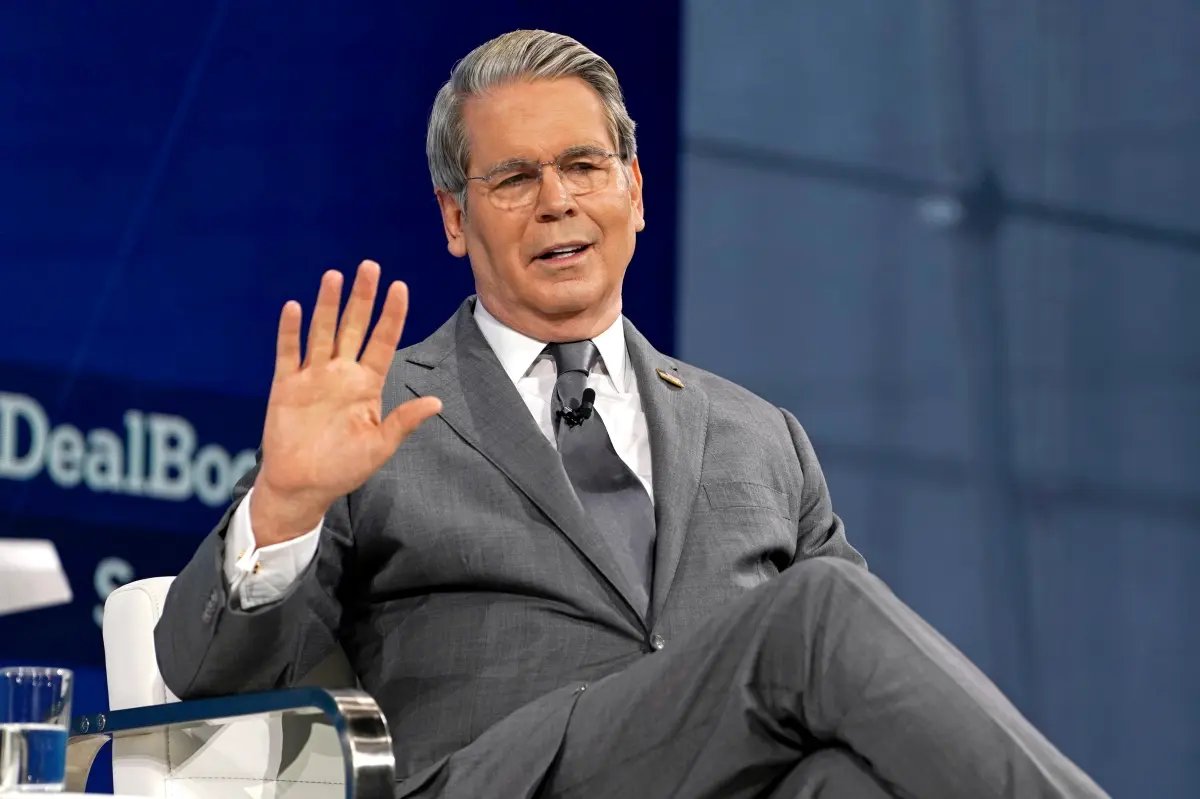
Scott Bessent, a key figure at the Treasury Department, is tasked with addressing the affordability crisis as he navigates President Trump’s policies on tariffs, taxes, and the nation’s $38 trillion debt. With the U.S. midterm elections approaching, Bessent’s focus is on stimulating the economy to achieve two consecutive quarters of growth while decreasing the escalating cost of living for essentials such as food and vehicles.
Bessent, a former hedge fund manager, has defended Trump’s tariff policy, claiming that it is designed to bolster domestic manufacturing rather than imposing additional costs on consumers. He asserts that such tariffs may help open foreign markets to U.S. goods. During a recent economic forum in New York, Bessent emphasized this viewpoint, despite opposition from economists who argue that tariffs have contributed to rising consumer prices.
A report from Bank of America highlighted concerns about potential stagflation, which occurs when rising prices hinder economic growth. Economists from RBC predicted that this trend could lead to a “stagflation lite” scenario by 2026, warning that tariffs may negatively impact the labor market and elevate inflation. Recent data indicates that consumer spending is slowing, reflecting mounting concerns among middle and lower-income households.
As Bessent prepares to tackle these economic challenges, he is also confronted with the need to manage persistent fiscal deficits partly resulting from Trump’s tax cuts. The effectiveness of his economic strategies will be crucial for the Republican Party as they navigate thin majorities in Congress. Meanwhile, President Trump plans a speech in Pennsylvania to address ongoing economic concerns.
Why this story matters
- Economic strategies employed now could significantly influence the midterm elections and future administration policies.
Key takeaway
- Tariffs aimed at boosting domestic production may lead to increased inflation, complicating the affordability crisis for many Americans.
Opposing viewpoint
- Critics argue that tariffs have unequivocally raised consumer prices, undermining claims of their long-term benefits for the economy.