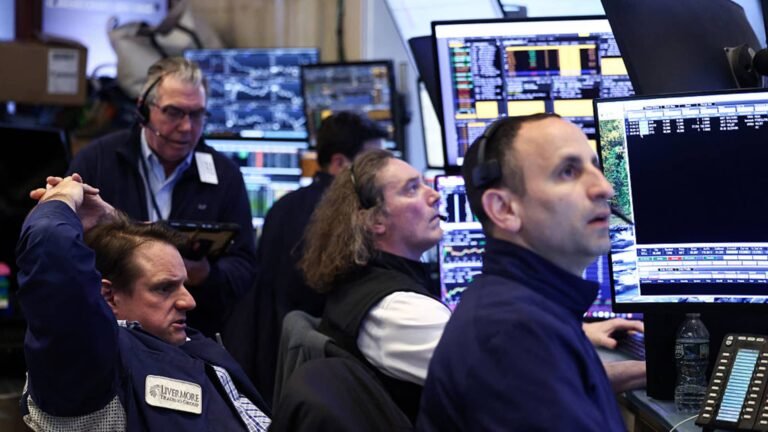



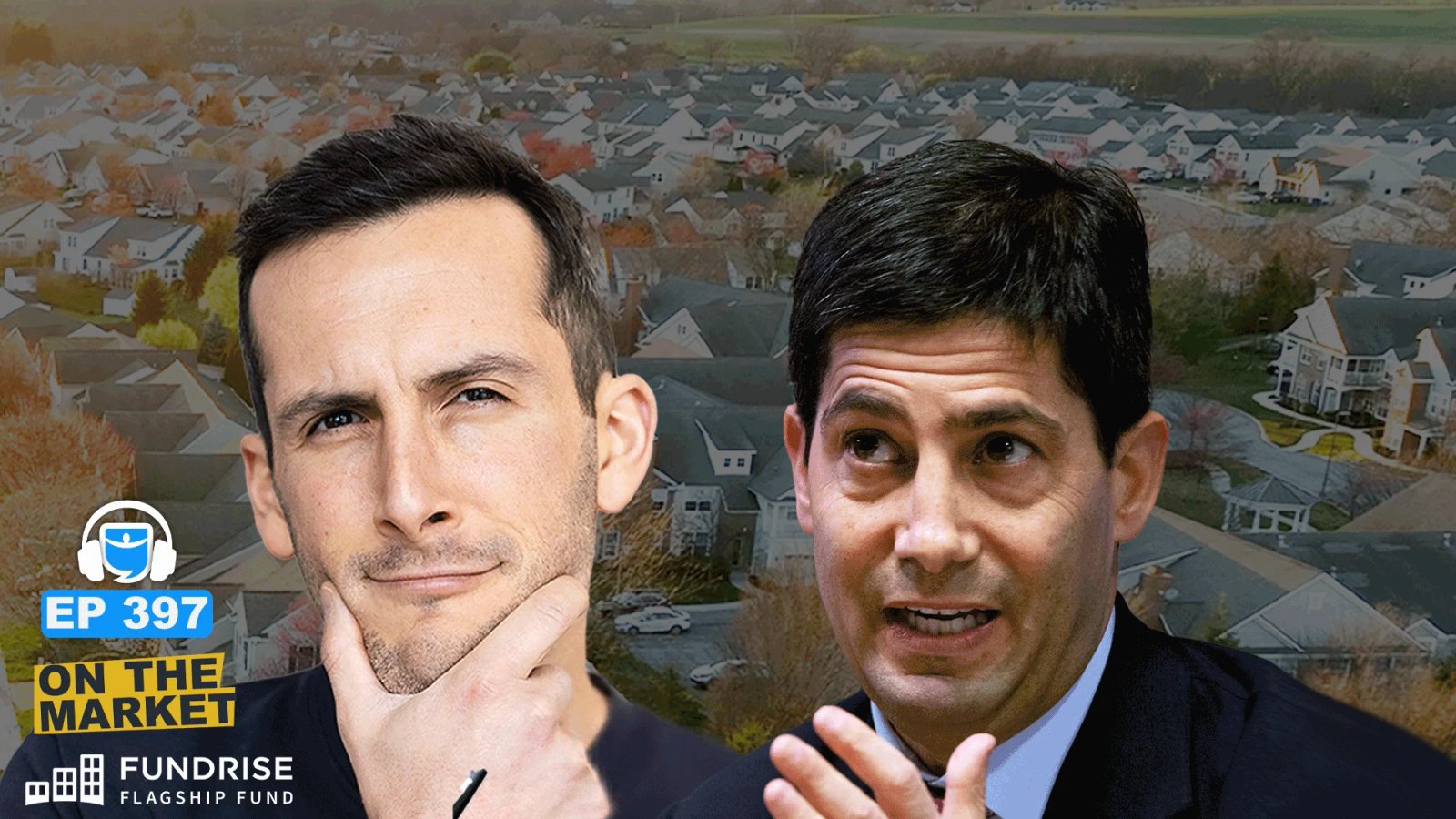
President Trump has nominated Kevin Warsh to succeed Jerome Powell as chair of the Federal Reserve when Powell’s term ends in May 2026. This appointment is significant for real estate investors, as the Fed’s policies profoundly influence mortgage rates and borrowing costs. Warsh, who has an impressive background in finance and previously served as a Fed governor, is stepping into a complex economic landscape marked by high inflation and mixed signals in the labor market.
While both Trump and Warsh have publicly criticized Powell’s approach, particularly regarding his response to rising inflation, there’s speculation about how Warsh’s leadership will affect interest rates. Historically more hawkish, favoring tighter monetary policies, Warsh’s recent statements have suggested a shift towards advocating for lower interest rates to stimulate economic growth. However, he has also criticized the Fed’s quantitative easing strategies, indicating a potential for tightening measures.
Warsh’s approach could lead to short-term pressure on mortgage rates if he reduces the Fed’s balance sheet, a process known as quantitative tightening. This could push rates up even as he seeks to cut the federal funds rate. The overall effectiveness of these strategies remains uncertain, particularly as he needs Senate confirmation and will be one of twelve voting members in determining policy direction.
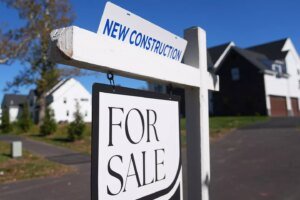
Investors are advised to remain cautious, as significant reductions in mortgage rates aren’t guaranteed in the near future, and waiting for such changes may not be prudent. Instead, it may be more beneficial to focus on identifying strong investment opportunities in the current market.
Why this story matters:
- The nomination of Warsh could reshape Federal Reserve policy, impacting economic conditions and real estate investments.
Key takeaway:
- Investors should not expect immediate reductions in mortgage rates with Warsh’s appointment and should instead concentrate on viable investment opportunities now.
Opposing viewpoint:
- Some believe Warsh’s potential policies could rapidly stimulate the economy, resulting in decreased mortgage rates and revitalized real estate markets.