



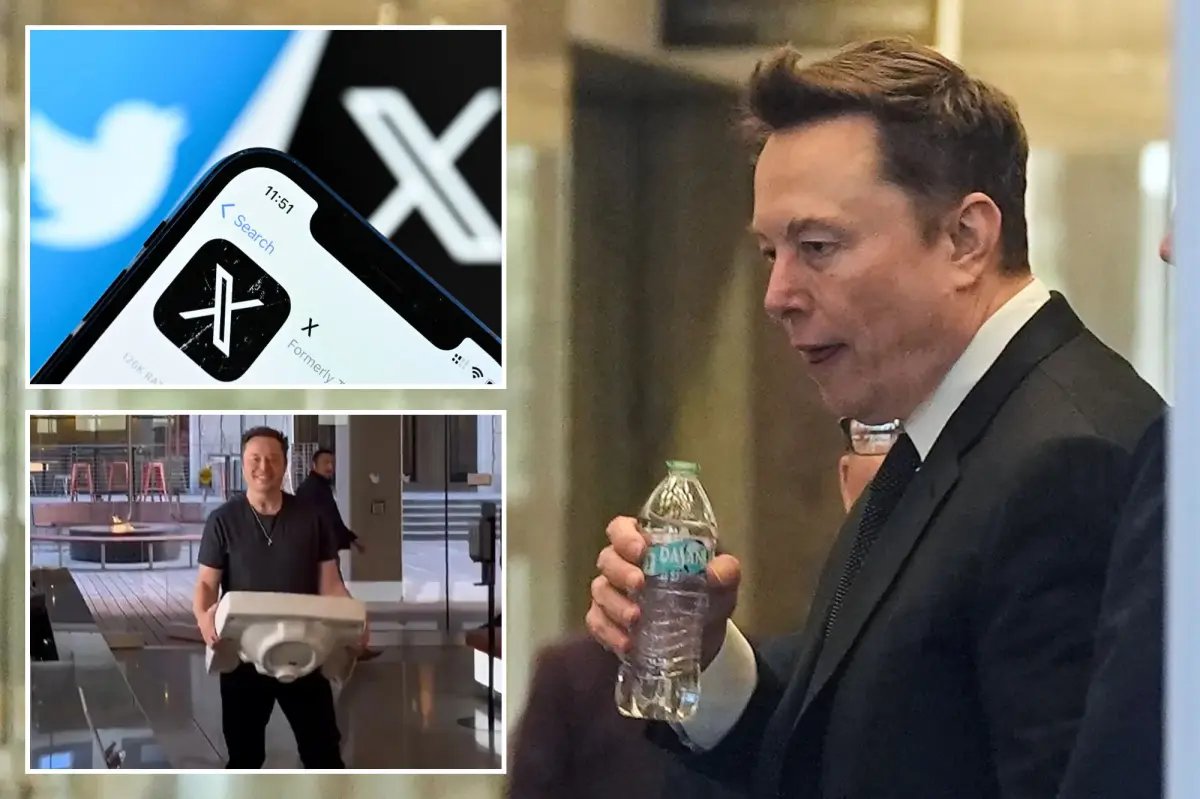
Closing arguments in the trial involving Elon Musk and Twitter shareholders concluded on Tuesday, centering on allegations of deceptive behavior surrounding Musk’s attempt to exit a $44 billion purchase agreement for the social media platform. Shareholders claim Musk misled them while negotiating the deal, which he executed in October 2022.
The civil trial, held in San Francisco, arises from a class-action lawsuit initiated just before Musk’s acquisition of Twitter, later rebranded as X. At the heart of the dispute are Musk’s claims regarding the prevalence of bots on Twitter. He testified that the company significantly overstated its actual number of fake accounts, countering Twitter’s regulatory reporting of 5%.
Musk’s effort to retract from the deal led Twitter to seek legal enforcement in a Delaware court, which culminated in Musk ultimately complying with the purchase price of $54.20 per share.
Plaintiffs’ attorney Mark Molumphy argued that Musk’s social media statements, particularly a tweet indicating the deal was “on hold,” resulted in financial harm for investors, asserting that Musk’s motivations were calculated rather than coincidental. Conversely, Musk’s legal counsel, Michael Lifrak, contended that no evidence was presented to prove intentional fraud, emphasizing the absence of direct links between Musk’s actions and the stock price decline.
The trial has also touched upon the ongoing issues with bot accounts on the platform, and the former CFO of Twitter, Ned Segal, confirmed the company’s bot estimate was closer to 1%. Lifrak argued that animosity toward Musk should not influence the jury’s impartiality, framing the trial as a question of legal integrity rather than public opinion.
Judge Charles R. Breyer noted the jury’s potential biases against Musk but stressed the importance of a fair trial regardless of personal sentiments.
Why this story matters:
- Highlights the legal challenges surrounding high-profile acquisitions in the tech industry.
Key takeaway:
- The trial examines the tension between social media influence and investor protection in corporate transactions.
Opposing viewpoint:
- Musk contends that the allegations are unfounded and that no fraud was executed during the acquisition process.