


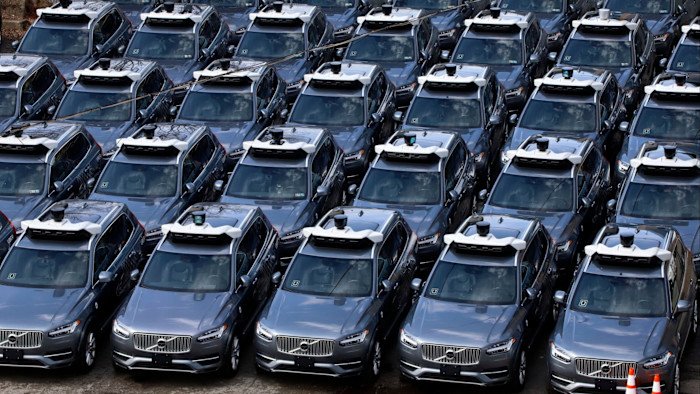
Uber has launched a new initiative aimed at supporting the growing number of providers entering the autonomous vehicle market. The initiative, named Uber Autonomous Solutions, seeks to diversify the company’s revenue streams and strengthen its position within the emerging robotaxi sector. Announced on Monday, the new unit will provide a range of services, including insurance, roadside assistance, and “AV mission control” software. This software will assist partners in monitoring their vehicles and responding to incidents like traffic accidents. In addition, Uber plans to offer fleet financing options to help partners acquire robotaxis within its network.
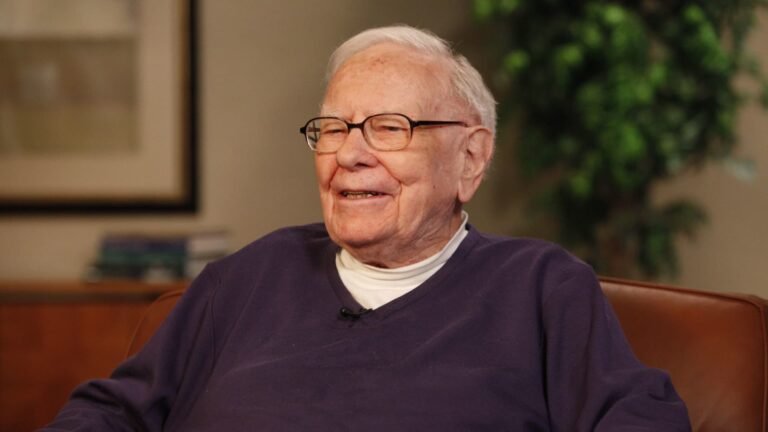
Sarfraz Maredia, the global head of autonomous mobility and delivery at Uber, will manage the new division, which will integrate resources from various internal departments. Andrew Macdonald, Uber’s president and chief operating officer, stated that while technological challenges faced by autonomous vehicles have significantly diminished, the key to their success will be effective commercialization. He emphasized that Uber aims to be a driving force in making autonomy commercially viable.
The company has made significant strides over the past year, entering more than a dozen partnerships, including collaborations with Alphabet’s Waymo and Baidu, and investing in various self-driving startups like UK-based Wayve. However, competition is intensifying, raising investor concerns; Uber’s share price has dropped 9 percent this year. The company has committed billions to form alliances with operators and AV developers, with plans to deploy tens of thousands of autonomous vehicles in 15 cities worldwide by 2026, including London, Los Angeles, and Hong Kong.
To support the development of its robotaxi operations, the new unit will also provide mapping data and data collection services to enhance AI training for its autonomous models.
- Why this story matters: Uber’s initiative reflects a significant shift towards commercializing autonomous vehicle technology.
- Key takeaway: Successful commercialization will be crucial for the future of autonomy in transportation.
- Opposing viewpoint: Some investors express concerns about Uber’s competitive strategy and share performance amidst intensifying market pressures.