


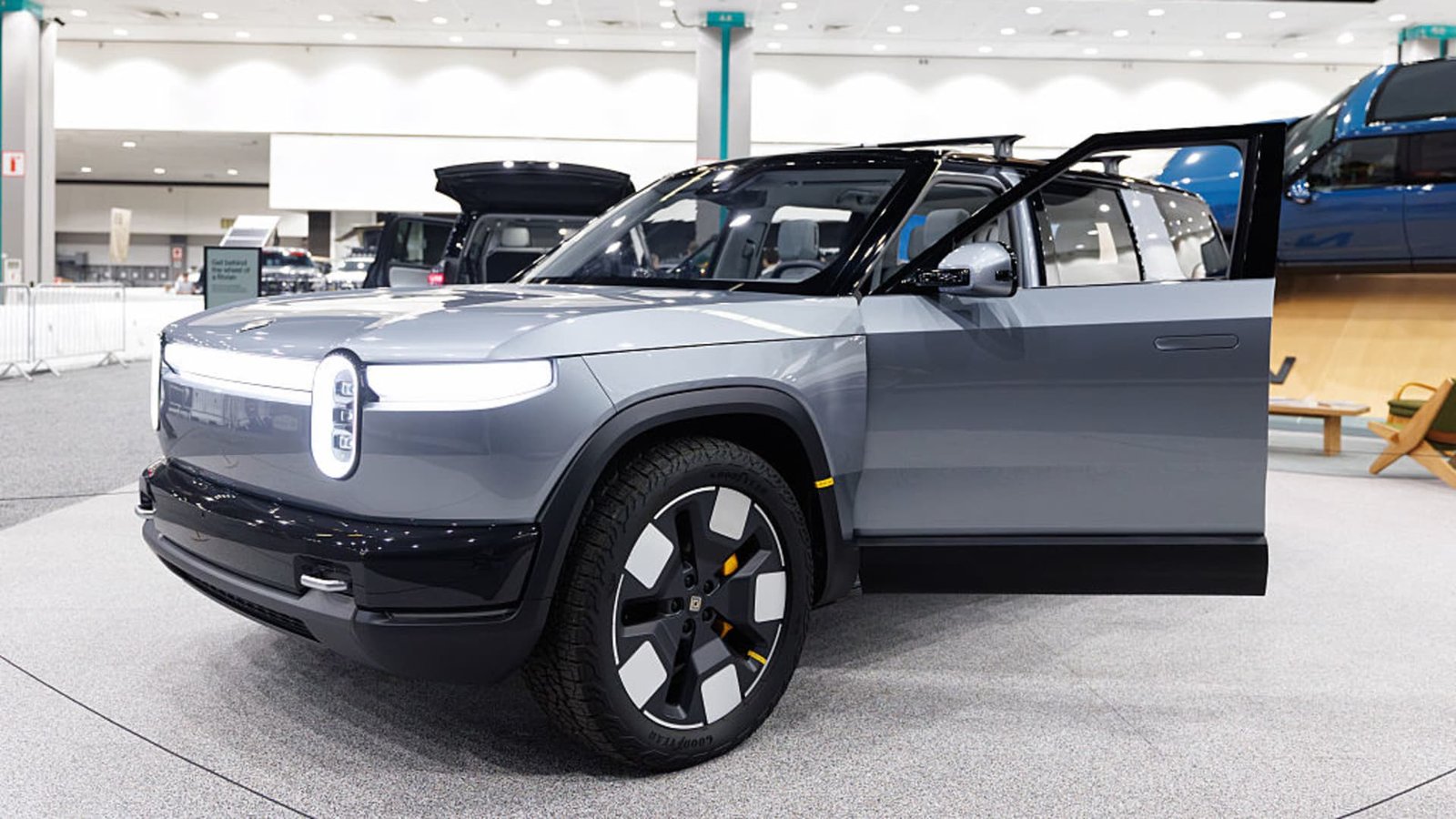
Electric vehicle manufacturer Rivian Automotive is set to receive a substantial investment from Uber Technologies, amounting to up to $1.25 billion. This partnership aims to facilitate the deployment of up to 50,000 robotaxis across various global markets by 2031. The agreement includes plans for Uber, or its partners, to acquire 10,000 autonomous versions of Rivian’s forthcoming R2 electric vehicle, with an option for an additional 40,000 units beginning in 2030.
The announcement prompted a 10% increase in Rivian’s shares during premarket trading, which later stabilized to a 3% rise by the day’s end, while Uber’s shares experienced a 1% decline. This collaboration aligns with the recent focus on autonomous vehicles and robotaxis, a sector anticipated to generate significant investment opportunities in the coming years, despite past challenges faced by various companies, including Uber, in meeting their robotaxi targets.
The initial $300 million investment will be subject to regulatory approval and corresponds to approximately 19.55 million shares of Rivian. Additional funding will be released upon achieving certain undisclosed milestones leading up to 2031. Uber is also expected to pay licensing fees for access to Rivian’s autonomous driving software.
Rivian plans to launch the R2 robotaxi exclusively on Uber’s ride-hailing and delivery platform, with initial services projected to begin in San Francisco and Miami by 2028. Both companies believe that the vertical integration of vehicle design, computing platforms, and manufacturing will enable them to achieve their ambitious targets.
Rivian CEO RJ Scaringe emphasized that advancements in technology, including artificial intelligence and improved semiconductor capabilities, will revolutionize the robotaxi landscape, which is currently dominated by competitors like Waymo.
Why this story matters
- The deal signifies a major shift in the landscape of autonomous vehicle technology, highlighting the potential for significant market growth.
Key takeaway
- The partnership between Uber and Rivian exemplifies how established tech companies are investing in electric and autonomous vehicles to enhance their future operations.
Opposing viewpoint
- There are concerns regarding the feasibility and safety of deploying large numbers of autonomous vehicles, given the historical challenges faced by companies in this sector.