


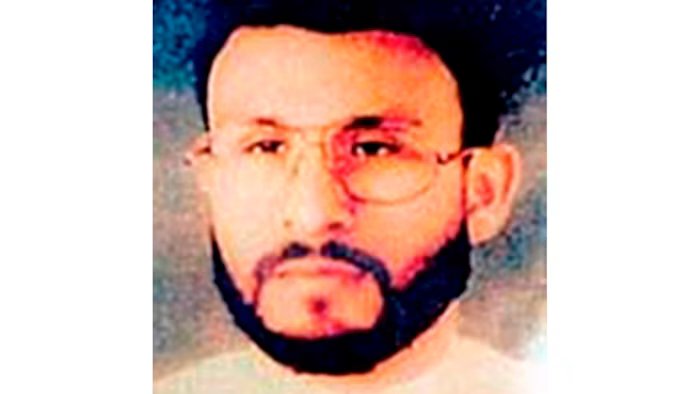
The UK government has reached a financial settlement with Abu Zubaydah, who has spent nearly two decades in the US military prison at Guantánamo Bay without trial. This agreement highlights the ongoing complexities surrounding the legal ramifications of the post-9/11 “war on terror.” A parliamentary report from June 2018 revealed that British intelligence officers engaged with Zubaydah during his detention, despite being aware that he had experienced torture, including 83 instances of waterboarding.
Captured in March 2002 in Faisalabad, Pakistan, Zubaydah was initially taken into CIA custody and held at various secret locations. While US officials once labeled him a senior al-Qaeda operative, this assertion was later retracted. Zubaydah claimed that the UK’s intelligence services were involved in his torture and filed a civil lawsuit against the UK government. The terms of the recent settlement remain undisclosed.
Helen Duffy, Zubaydah’s legal representative, characterized the compensation as an acknowledgment of the profound suffering he has experienced, but emphasized that it is inadequate given his continued unlawful detention. She urged the UK and other nations involved to advocate for his release.
Zubaydah’s ongoing imprisonment at Guantánamo—where 15 other individuals are believed to be held—has emerged as a focal point in the broader legal and ethical debates surrounding counterterrorism policies enacted following 9/11. Sir Richard Moore, former chief of MI6, noted that the current oversight of counterterrorism efforts is significantly more robust, with senior judges now part of the Investigatory Powers Commissioner’s Office overseeing operations that have evolved since those early days of the conflict.
Why this story matters
Key takeaway
Opposing viewpoint