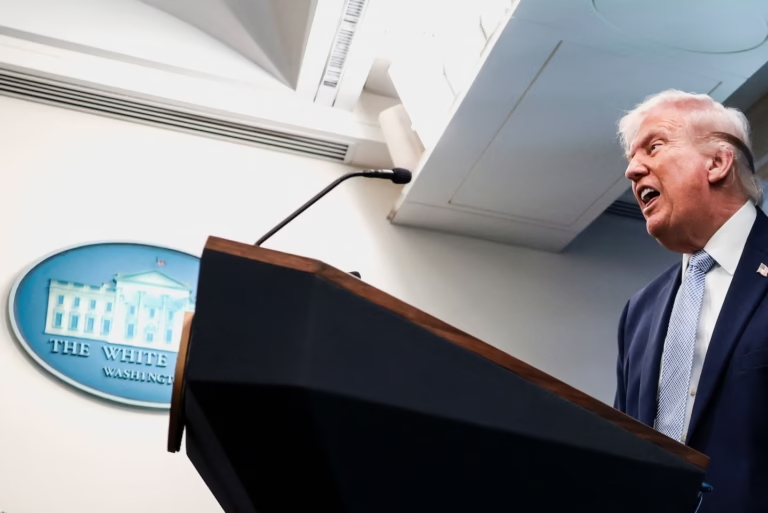



The Pentagon has decided to add Alibaba, BYD, and Baidu to its list of companies with suspected ties to the Chinese military, known as the “Chinese Military Companies” list. This update was made public on a recent Friday and is notable as it comes two months before a scheduled meeting between U.S. President Donald Trump and Chinese President Xi Jinping in Beijing. However, the updated list was unexpectedly removed from the Federal Register following a request from the Pentagon, which has not provided an explanation. A defense official indicated that a new version of the list would be released next week.
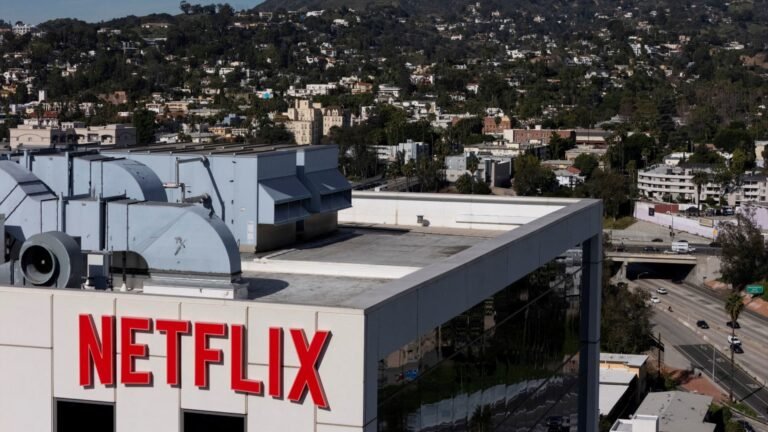
The inclusion of Alibaba follows U.S. intelligence assessments suggesting that the e-commerce giant poses a national security risk. BYD, the world’s largest electric vehicle manufacturer, was also added to the list, which is mandated by Congress. Observers believe this move could escalate existing tensions in U.S.-China relations, even as trade disputes have shown signs of easing since the last meeting between Trump and Xi.
Experts like Craig Singleton from the Foundation for Defense of Democracies opine that the addition of these firms to the list demonstrates a strategy of maintaining pressure on both economic and national security fronts. Meanwhile, Henrietta Levin from the CSIS believes that although Beijing will disapprove, this addition is unlikely to sabotage the upcoming summit between the two leaders.
Significantly, being listed does not impose legal restrictions on these companies but does carry reputational risks and potential for future punitive measures. Alibaba, BYD, and Baidu have all publicly denied any military affiliations, asserting their commitment to civilian operations.
Why this story matters: Highlights growing U.S.-China tensions and the implications for global businesses.
Key takeaway: Inclusion in the Pentagon’s list may signal future U.S. action against listed companies, impacting their operations.
Opposing viewpoint: Experts suggest the impact on U.S.-China talks may be limited despite Beijing’s likely displeasure.