

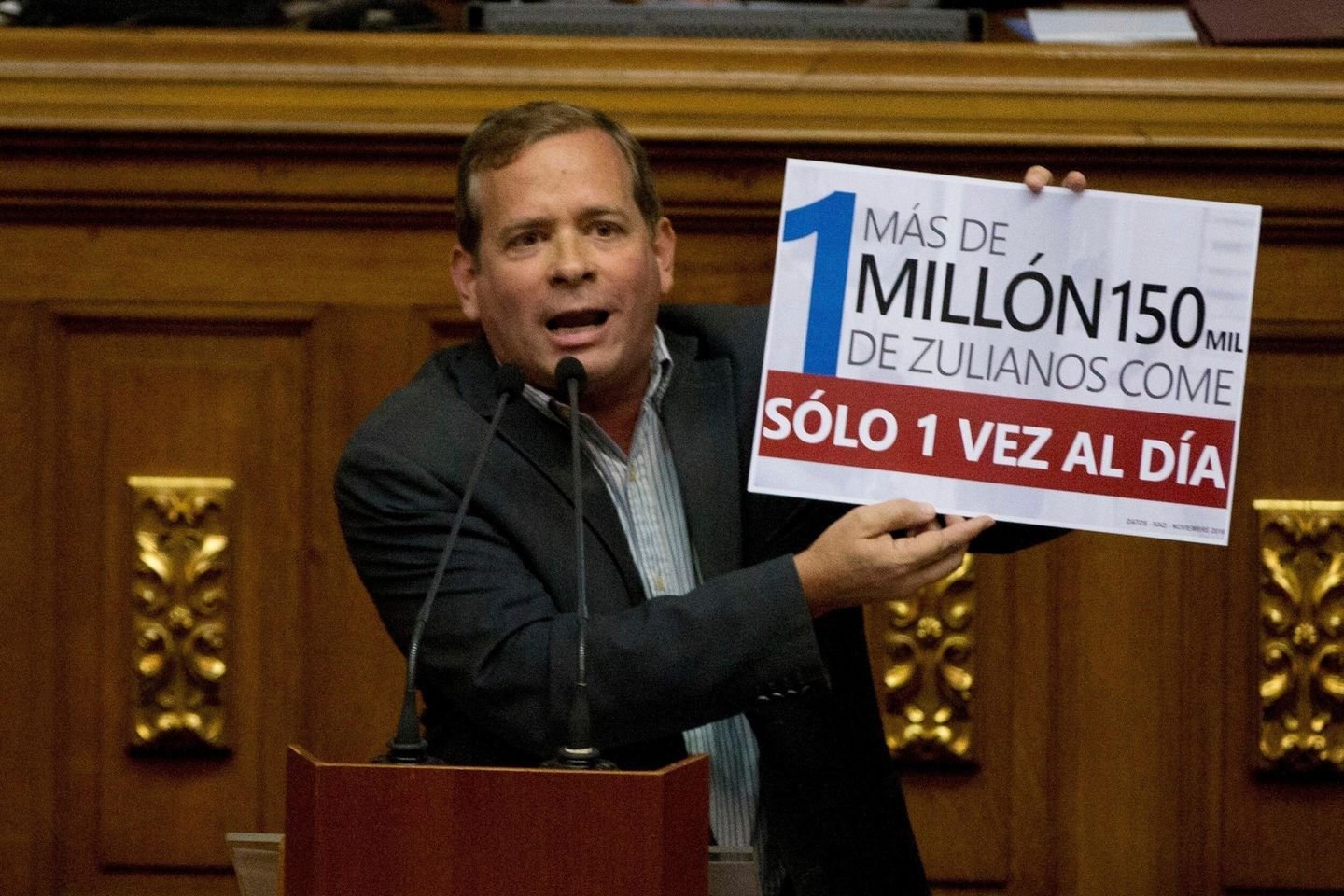
Venezuelan opposition leader Juan Pablo Guanipa has been released after spending more than eight months in detention. His imprisonment was viewed by many as the result of politically motivated charges levied against him. Guanipa’s release marks a significant moment in Venezuela’s ongoing political struggle, where opposition figures have faced increasing repression.
Guanipa, a prominent critic of President Nicolás Maduro’s government, was arrested as part of a broader campaign to suppress dissent among opposition leaders. His release comes amidst mounting international pressure on the Venezuelan government to improve human rights conditions and allow for greater political freedoms.
Supporters of Guanipa have celebrated his release as a victory for democracy and an indication that the fight for political reform in Venezuela continues. However, analysts remain cautious, noting that the political climate in the country remains volatile and that many other opposition members still face incarceration.
Guanipa’s situation highlights the challenges faced by opposition figures in Venezuela and the ongoing struggle for political reform amid government crackdowns.
– Why this story matters: The release of Guanipa signals potential shifts in Venezuela’s political landscape and underscores ongoing human rights concerns.
– Key takeaway: Guanipa’s release reflects both a moment of hope for Venezuelan democracy and a reminder of the ongoing challenges facing opposition leaders.
– Opposing viewpoint: Some view his release as insufficient, given that many others remain imprisoned under similar political motivations.