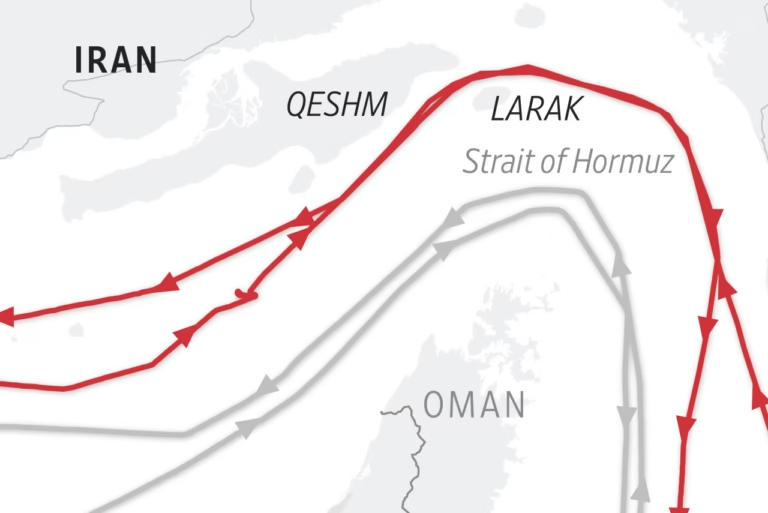



Tensions in the Middle East have significantly impacted maritime trade, with recent disruptions in the Strait of Hormuz and attacks on ports in Dubai raising concerns about global shipping and energy supplies. This escalation has highlighted vulnerabilities in international trade and the lack of preparedness for swift geoeconomic disruptions.
Historically, significant events such as the 1999 Taiwanese earthquake, the 2011 Japanese tsunami, and the COVID-19 pandemic have revealed the fragility of global supply chains. The current situation, exacerbated by geopolitical tensions under the Trump administration, has ignited debates about the Jones Act, which traditionally restricts shipping between U.S. ports to American-built and flagged vessels.
In an effort to alleviate rising oil and gas prices—driven in part by the conflict in Iran—President Trump temporarily waived the Jones Act, allowing foreign ships to operate within U.S. waters. Proponents argue that this could reduce costs in the short term, while critics warn it may jeopardize the domestic shipbuilding industry.
Experts from Vanderbilt University indicate that the Jones Act, while protective of U.S. interests, has inadvertently stunted innovation in shipbuilding, as companies tend to repair older vessels instead of investing in new constructions. Others suggest that the American shipping industry could mirror other sectors that have succumbed to foreign dominance due to inadequate government support and investment.
The ongoing conflict and the consequent cost to global shipping suggest a pressing need for the U.S. to reconsider its maritime strategy. As geopolitical tensions rise, flexibility in shipping routes and a shift toward more adaptable vessel designs may become paramount for securing the nation’s trade interests.
Why this story matters: The impact of geopolitical conflicts on global trade emphasizes the fragility of supply chains.
Key takeaway: Temporary waivers of protectionist laws like the Jones Act raise concerns about the long-term health of U.S. maritime industries.
Opposing viewpoint: Some argue that repealing the Jones Act may offer immediate relief from high shipping costs, enhancing market competition and consumer prices.