


Investors seeking to protect their wealth face a diverse landscape of assets, each carrying its own risk profile. Cryptocurrencies, while capable of delivering significant long-term returns, are among the most volatile investments. Bitcoin, for instance, rose to a high of $126,210 in October 2025 before plummeting to $62,946, highlighting the unpredictability of digital assets.
In contrast, traditional high-yield savings accounts have seen declining interest rates in the past year, making them less attractive. Moreover, the taxable nature of interest earned further diminishes their appeal as a wealth-preservation strategy.
Safe-haven assets, particularly gold, are viewed as a more stable alternative. Unlike riskier investments, safe havens tend to retain value during economic downturns due to their longstanding significance and utility in society. Gold has served as a store of value for millennia and is also critical in various industries, including jewelry and technology.
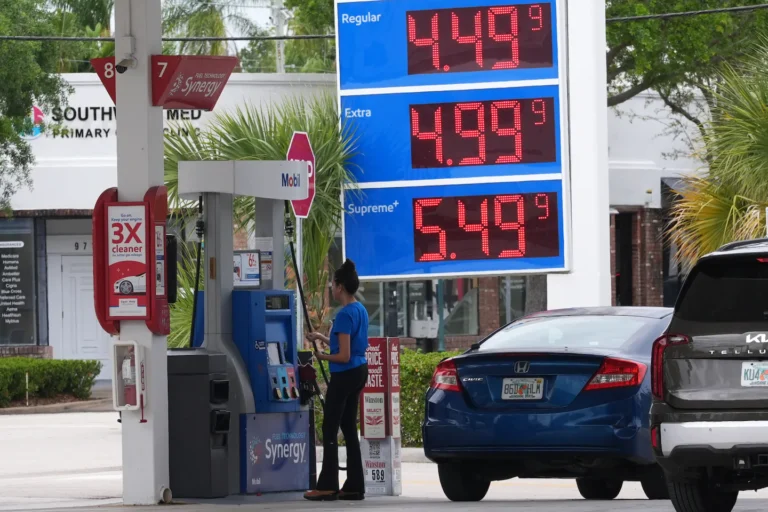
Other commodities, such as oil and agricultural products, also function as safe havens, as their intrinsic value remains constant even in challenging economic contexts. For example, the avian flu outbreak in 2024 led to a sharp increase in egg prices due to supply constraints.
Investors can engage with safe-haven assets through mutual funds, ETFs, or by purchasing shares of companies involved in these commodities. Gold stands out among these options because of its ease of storage and lower volatility compared to perishables like crops and livestock. The metal has maintained its intrinsic value and practical applications across different economic cycles, contributing to its status as a reliable investment.
Why this story matters: Understanding safe-haven assets can help investors mitigate risks during economic downturns.
Key takeaway: Gold and other commodities offer stability and preservation of value, unlike more volatile investments.
Opposing viewpoint: Some investors may prefer high-growth assets, believing the potential returns outweigh the risks associated with volatility.