



China’s dominance in the rare earth industry continues to grow, posing significant challenges for the United States. While the U.S. leads in artificial intelligence research, China controls nearly the entire supply chain for the minerals essential for advanced hardware production. These minerals play a critical role in building data centers, manufacturing AI hardware, and supporting the next industrial revolution.
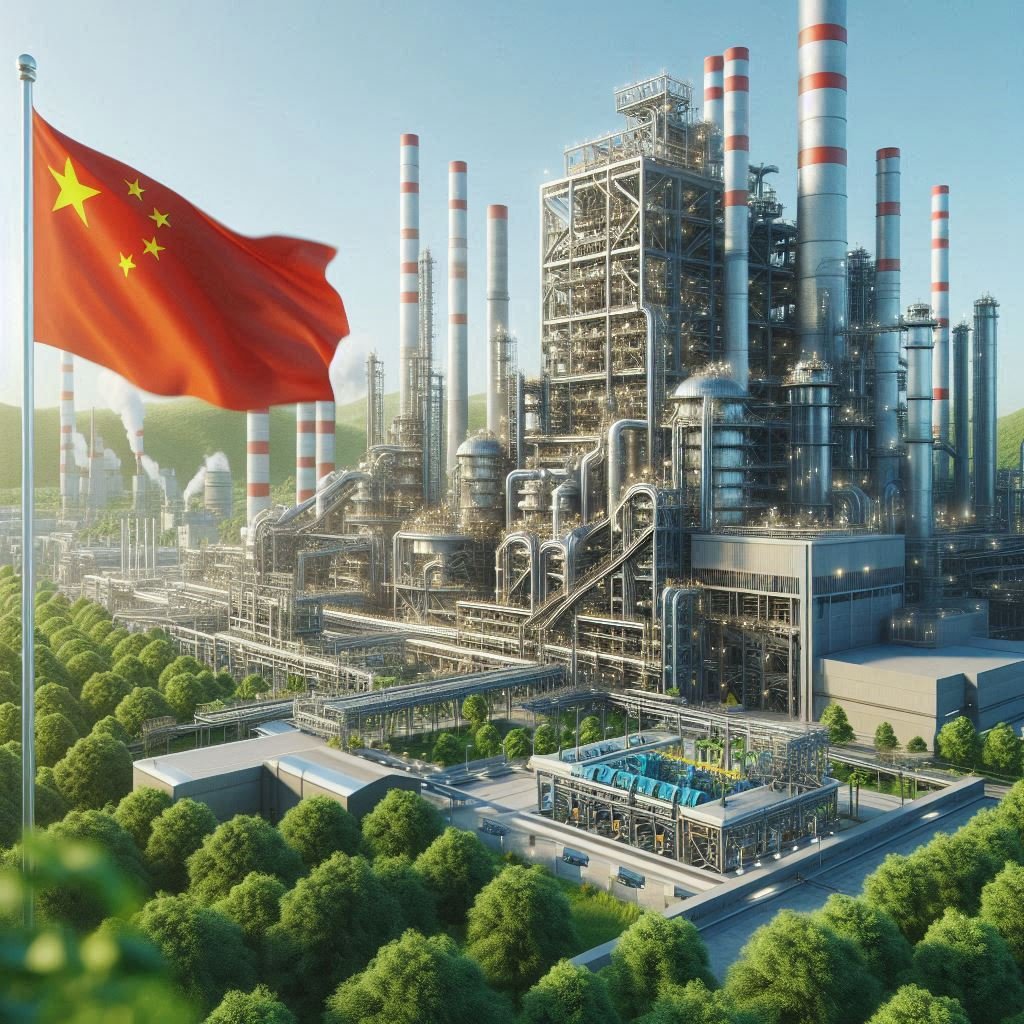
Recently, the completion of a new mineral processing plant in China’s Shanxi Province highlighted this expanding gap. The facility, developed using a innovative process by European startup IB2, treats low-grade ore that is typically discarded, allowing it to be transformed into usable materials. This advancement could decrease refining costs by up to 40% and streamline China’s manufacturing pipeline.
In stark contrast, similar projects in the U.S. often take years to navigate regulatory hurdles, while this plant was completed in just 10 months. China already produces over half of the world’s aluminum and controls the majority of rare earth refining, lithium, cobalt, and magnet production, which are crucial for various industries, including electric vehicles and renewable energy.
China’s recent issuance of new export licenses for rare earth magnet producers suggests a strategic shift towards controlling access to these vital materials. As global demand for minerals continues to surge, the capacity to produce these resources efficiently will shape the industrial landscape of the future.
If the U.S. aims to remain competitive, it must prioritize mineral processing to build the necessary foundation for future technologies. The race for control over these essential materials could define technological leadership for the next decade.
Key Points:
- Why this story matters: China’s rapid expansion in rare earth production could significantly impact global tech and manufacturing sectors.
- Key takeaway: Efficient mineral processing is crucial for maintaining competitiveness in AI and clean energy industries.
- Opposing viewpoint: Some argue that the U.S. can innovate its way around resource challenges, focusing instead on technological advancements over raw materials.