



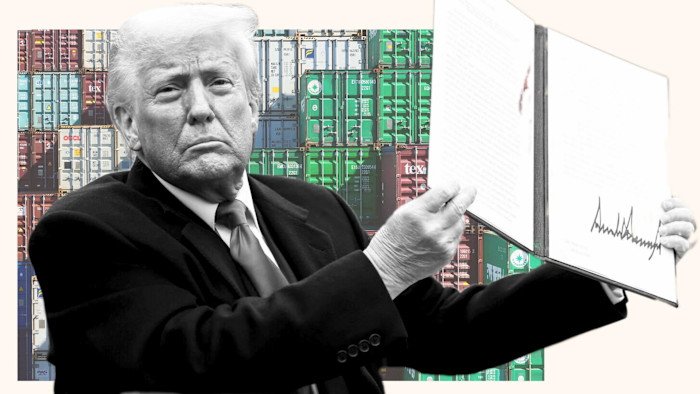
Governments worldwide are expected to uphold trade agreements established with former President Donald Trump, despite a recent Supreme Court ruling declaring numerous U.S. tariffs illegal. Analysts suggest that fears of retaliation, particularly in key sectors like autos and steel, will deter countries from attempting to backtrack on these agreements.
Andrew Wilson, deputy secretary-general of the International Chamber of Commerce, noted that while the ruling poses serious questions about the sustainability of Trump’s trade deals, it does not indicate an imminent collapse. Recent discussions with governments affirm that no jurisdictions are poised to withdraw from these agreements in the near term.
The Supreme Court ruling invalidated certain tariffs imposed under the International Emergency Economic Powers Act (IEEPA), but those on autos and steel, grounded in different legal frameworks, remain effective. In response to the ruling, Trump indicated he would impose new 10% tariffs, with intentions to increase them to 15%. Although the legal situation introduces uncertainty, analysts believe that existing deals are likely to remain intact, though some negotiations might experience delays as the legal landscape clarifies.
Notably, agreements such as the U.S.-India deal, which recently saw reduced tariffs on Indian goods, may slow down as countries reassess their positions in light of Trump’s legal challenges. Concerns over potential retaliation influence the outlook on ongoing negotiations, making countries cautious about pushing for major concessions.
Overall, the dynamic nature of these pacts, often described as “napkin deals,” complicates expectations, but the U.S. retains significant leverage through existing tariffs.
- Why this story matters: Trade agreements affect global economic stability, with implications for key industries and international relations.
- Key takeaway: Most countries are unlikely to abandon trade deals with the U.S. despite legal uncertainties regarding tariffs.
- Opposing viewpoint: Some analysts argue that the Supreme Court ruling may give trading partners leverage to negotiate more favorable terms.