



The president has announced a temporary suspension of strikes on Iran, a decision that aims to alleviate ongoing tensions in the region. Despite this diplomatic move, American consumers are expected to face increased prices for a variety of goods, primarily due to escalating energy costs.
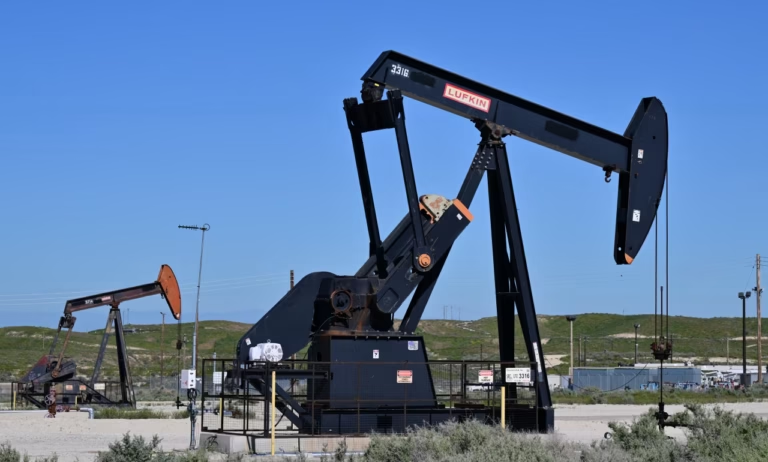
The rise in energy prices has been attributed to various factors, including geopolitical instability, supply chain disruptions, and changes in global demand. As energy costs influence the prices of transportation and manufacturing, many everyday products could see a rise in costs affecting consumers.
Government officials have indicated that while the suspension of military action may provide some stability, the economic impacts on households and businesses due to higher energy prices remain a significant concern. The administration continues to explore strategies to mitigate these financial burdens on American families while balancing international relations.
In this complex scenario, citizens may find themselves navigating higher costs at the grocery store and for essential services, highlighting the interconnectedness of foreign policy decisions and domestic economic realities.
Why this story matters
- The decision to suspend military action could alter U.S.-Iran relations and impact global stability.
Key takeaway
- While the suspension may reduce immediate tensions, American consumers will still experience the financial repercussions of increased energy prices.
Opposing viewpoint
- Some argue that the suspension of strikes may embolden hostile actions from Iran, potentially leading to longer-term security issues that could impact economic stability further.