



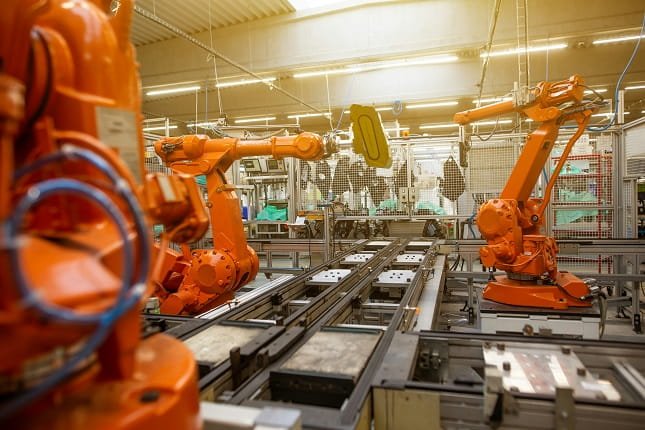
As industrial automation technology becomes increasingly accessible, machine vision systems are emerging as vital tools for small and mid-sized manufacturers. These systems utilize cameras and image analysis to perform visual inspections of products, helping businesses scale operations without significantly increasing headcount.
Machine vision consists of industrial cameras, precision lenses, and specialized lighting designed to inspect products, verify dimensions, and detect defects on production lines reliably and efficiently. Unlike traditional manual inspection, a machine vision station operates continuously, applies consistent standards, and provides verifiable photographic records of each inspection—a critical advantage for manufacturers.
The return on investment for adopting machine vision typically arises from reduced waste and rework costs, fewer customer returns, and enhanced production speed through streamlined inspection processes. For businesses considering machine vision, it is crucial to focus not only on the software but also on the hardware that supports these systems. Key hardware components include:
-
Industrial Cameras: Selection involves choosing the right resolution, frame rate, and data interface. Options like GigE cameras are effective for larger facilities, while USB3 cameras are better suited for compact setups.
-
Lenses: The focal length, working distance, and sensor size must be aligned appropriately to avoid distorted images that will hinder inspection accuracy.
-
Lighting: Proper lighting is essential for creating contrast and visibility. Various geometries should be used depending on the inspection requirements.
For manufacturers new to machine vision, starting with a focused, high-impact inspection point can provide valuable insights and measurable returns while minimizing risks associated with technology adoption. Working with specialized hardware suppliers can further enhance success by ensuring correct specifications for the chosen application.
Investing in machine vision technology is increasingly becoming a necessity for manufacturers focused on quality and efficiency, making it more accessible than previously thought.
Why this story matters:
- Machine vision systems democratize quality control, allowing smaller manufacturers to compete effectively.
Key takeaway:
- The hardware in machine vision systems is as crucial as the software for successful implementation.
Opposing viewpoint:
- Some may argue that the initial investment in machine vision could be prohibitive for small businesses, potentially diverting funds from other essential improvements.