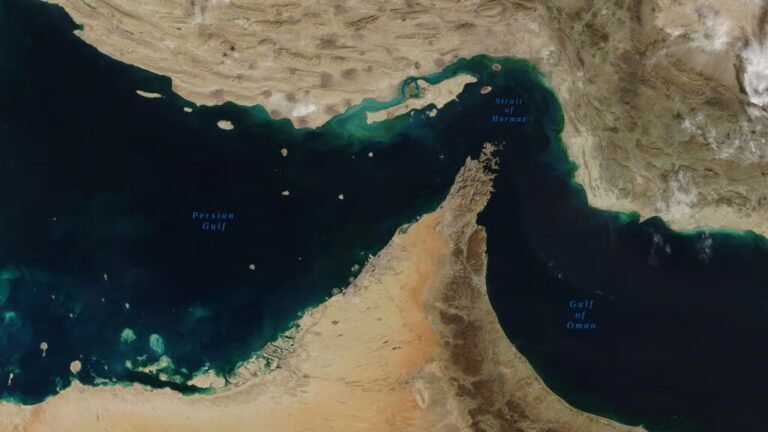



World trade is projected to experience a slowdown in 2026, following unexpected growth in 2025 driven by increased AI-related trade and investment, according to insights from the World Trade Organization (WTO). The ongoing conflict in West Asia could further hinder trade growth, especially if energy prices remain high, which may also affect food supplies and services due to disruptions in travel and transport.
The WTO has released briefing notes addressing critical matters such as agriculture, e-commerce, fisheries, intellectual property, and the need for reform in its dispute settlement mechanism. These notes reveal significant divisions among member countries. The current U.S. administration’s ‘America First’ trade policy and its reliance on unilateral tariffs are causing strain within the multilateral trading framework.
Recent proceedings at the 13th Ministerial Conference (MC13) in Abu Dhabi in 2024 led to the extension of a moratorium on customs duties for electronic transmissions and some development-focused decisions. However, the overall lack of progress on major issues indicates a challenging road ahead. The dispute settlement system remains inoperative, and negotiations concerning fisheries subsidies and agriculture have seen little advancement.
Looking to the upcoming 14th Ministerial Conference (MC14), the future of the e-commerce moratorium is anticipated to be a crucial topic. Developed nations favor its extension to ensure consistency in digital trade, while countries like India and South Africa contend it limits tariff policy options. As multilateral negotiations stagnate, many nations are increasingly opting for bilateral or regional trade agreements, raising concerns about inclusivity and the erosion of multilateralism.
Given the current geopolitical tensions and economic challenges, MC14 may prioritize maintaining a fragile consensus over achieving significant reforms, with the preservation of multilateralism being a focal point of success.
Why this story matters: The dynamics of global trade are critical for economic stability and growth.
Key takeaway: Ongoing geopolitical tensions and shifts in trade policy are complicating multilateral discussions.
Opposing viewpoint: Some countries advocate for bilateral agreements, arguing they can drive progress where multilateral talks have stalled.