

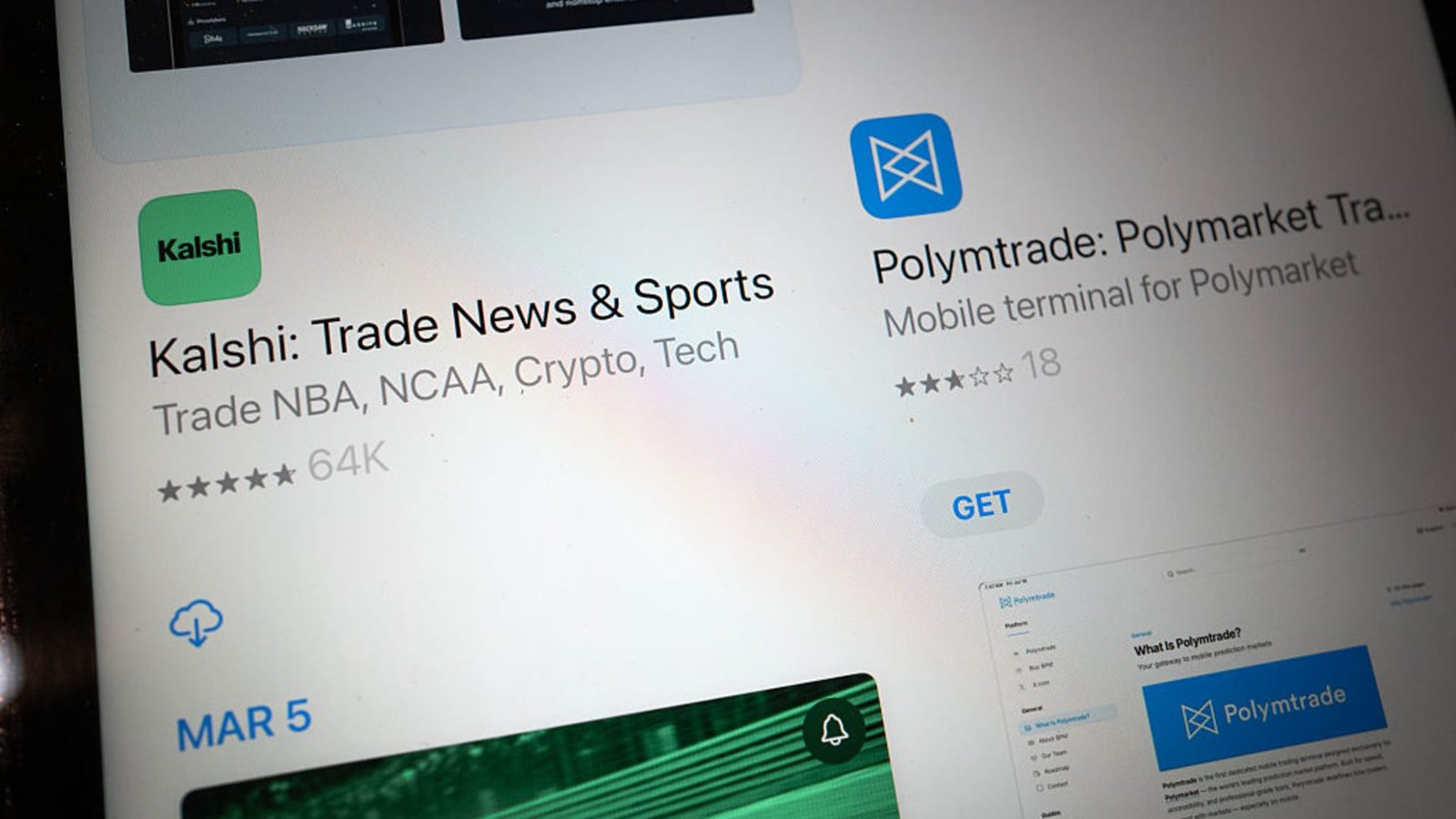
The 2026 FIFA World Cup is projected to be the largest gambling event ever, leading to a significant surge in trading volumes on various prediction market platforms. In June, Kalshi recorded over $31 billion in notional trading volume, marking a 70% increase from May’s $17.9 billion. The platform has maintained daily trading volumes exceeding $1 billion since the tournament began on June 11.
Polymarket also experienced a noteworthy increase, with its international event contract exchange achieving a record monthly volume exceeding $10.8 billion, reversing a declining trend observed in the previous months. The U.S. platform for Polymarket recorded a rise to $3.5 billion from $1.77 billion in May, showcasing the World Cup’s impact on trading activity.
As Team USA prepares to face Belgium in the round of 16, significant amounts have been wagered on U.S. victory, despite low odds of 4.3% and 3% on Kalshi and Polymarket, respectively.
New market entrant Rothera, a partnership between Susquehanna International Group and Robinhood, launched during the World Cup and saw $2 billion in notional trading, claiming 7% of the U.S. prediction market volume. The platforms have employed various strategies to maximize engagement, including contests for crafting perfect knockout round brackets.
The heightened interest in these platforms is reflected in the open interest for contracts, with Kalshi surpassing $1 billion and Polymarket close to $400 million. Asaf Meir, CEO of Solidus Labs, emphasized that the World Cup presents a crucial test for prediction markets in terms of their ability to operate effectively under high trading volumes, an aspect that may attract regulatory scrutiny.
Why this story matters
Key takeaway
Opposing viewpoint