

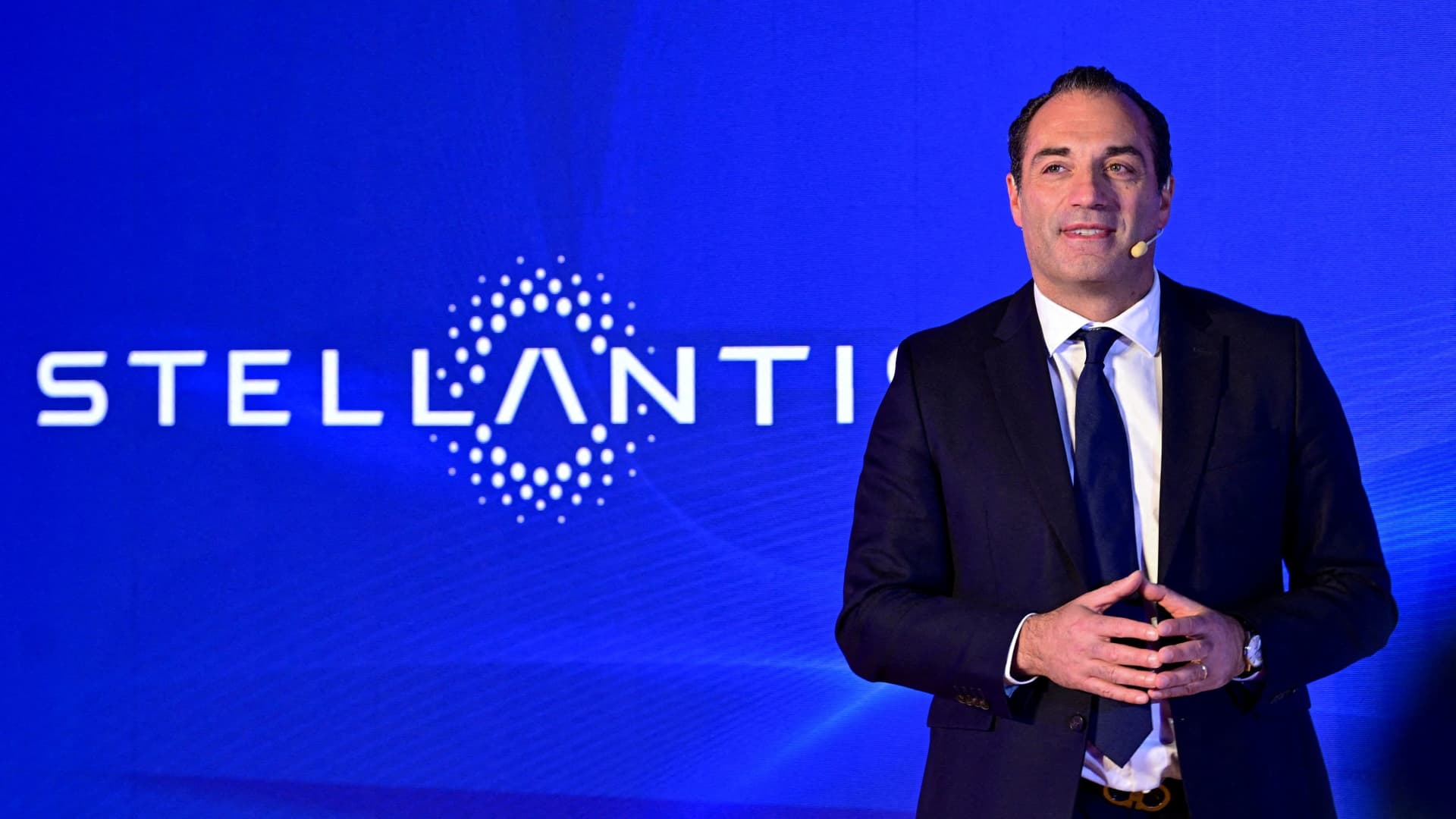
Stellantis CEO Antonio Filosa has identified 2026 as a pivotal year for the automaker, which has faced significant challenges, including declining market share for its Jeep, Ram, and Dodge brands in the U.S. Since his appointment in May, Filosa has been implementing a turnaround strategy, emphasizing the need to prioritize the Jeep and Ram divisions while revising initiatives set by his predecessor, Carlos Tavares, particularly those focused on all-electric vehicles.
Speaking at the Detroit Auto Show, Filosa described 2026 as a crucial year for executing the company’s revitalization plan, asserting that a solid strategy is in place to facilitate growth. He referred to this year as a foundational step in reshaping Stellantis, a company that emerged from the merger of Fiat Chrysler and PSA Groupe five years ago. Filosa remains cautious about divulging specific details but has indicated that a comprehensive strategy will be unveiled during a capital markets day in the first half of this year.
Amid recent speculation regarding potential asset sales or brand divestitures, Filosa conveyed a commitment to maintaining the company’s collective identity, emphasizing the importance of corporate culture. He described Stellantis as a “global company with strong regional roots,” which aligns with his efforts to foster a customer-focused and collaborative environment.
Stellantis experienced a 12.3% drop in global sales from 2021 to 2024, with U.S. sales plummeting by approximately 27%. This decline has resulted in the company falling from fourth to sixth place in the U.S. market, losing market share from 11.6% to 8%.
- Why this story matters: The strategic direction of Stellantis can significantly impact the U.S. automotive market and its competitive landscape.
- Key takeaway: 2026 is seen as a critical year for Stellantis as the company implements a renewed focus on select brands to stem sales declines.
- Opposing viewpoint: Some industry analysts suggest that divesting underperforming brands may be a more effective strategy for long-term success.