


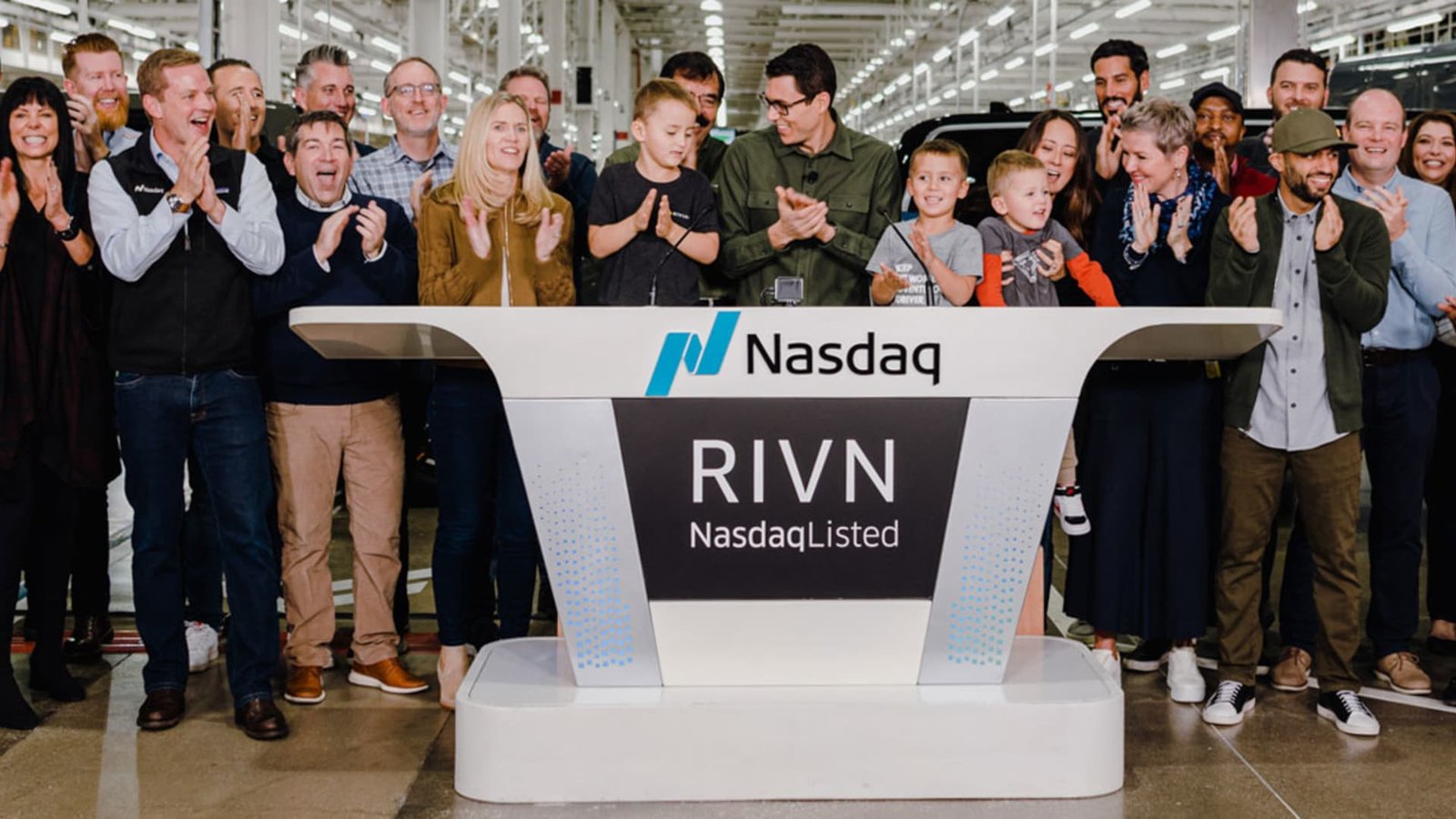
Rivian Automotive, once celebrated for its initial public offering in November 2021, has faced significant challenges in recent years. CEO RJ Scaringe marked the company’s entry into public trading as a high point, but since then, Rivian’s stock has plummeted over 80%, now hovering around $15 per share. Key factors contributing to this decline include supply chain disruptions, geopolitical issues, and slower-than-expected consumer adoption of electric vehicles (EVs). Despite these setbacks, Rivian remains one of the most promising EV manufacturers from its cohort.
Scaringe acknowledges the hurdles encountered along the way but remains optimistic about the future, particularly regarding the upcoming launch of the R2 SUV. Priced at around $45,000, the R2 aims to broaden Rivian’s market appeal while featuring advanced technology. In the third quarter of 2026, Rivian delivered a record 19,248 vehicles, with the R2 becoming its best-seller.
The company is also investing heavily in its new Georgia manufacturing facility, which is expected to boost production capacity to 300,000 vehicles annually by late 2028. While Rivian’s operational improvements are evident, analysts express concern that rising autonomy-related expenditures and the costs associated with new production facilities may hinder profitability in the short term.
Rivian plans to maintain a focus on both technology investment and the path to profitability, with additional capital raises anticipated to support future growth. As Rivian prepares to expand its autonomous driving capabilities, it aims to position itself competitively against established players like Tesla. The upcoming investor technology event on December 9 is expected to shed more light on these developments.
- Why this story matters: Rivian’s trajectory reflects broader trends and challenges within the EV market.
- Key takeaway: Despite significant stock declines, Rivian remains focused on innovation and expanding production capabilities.
- Opposing viewpoint: Concerns persist about Rivian’s cash burn and the sustainability of its growth strategies amidst rising costs.