



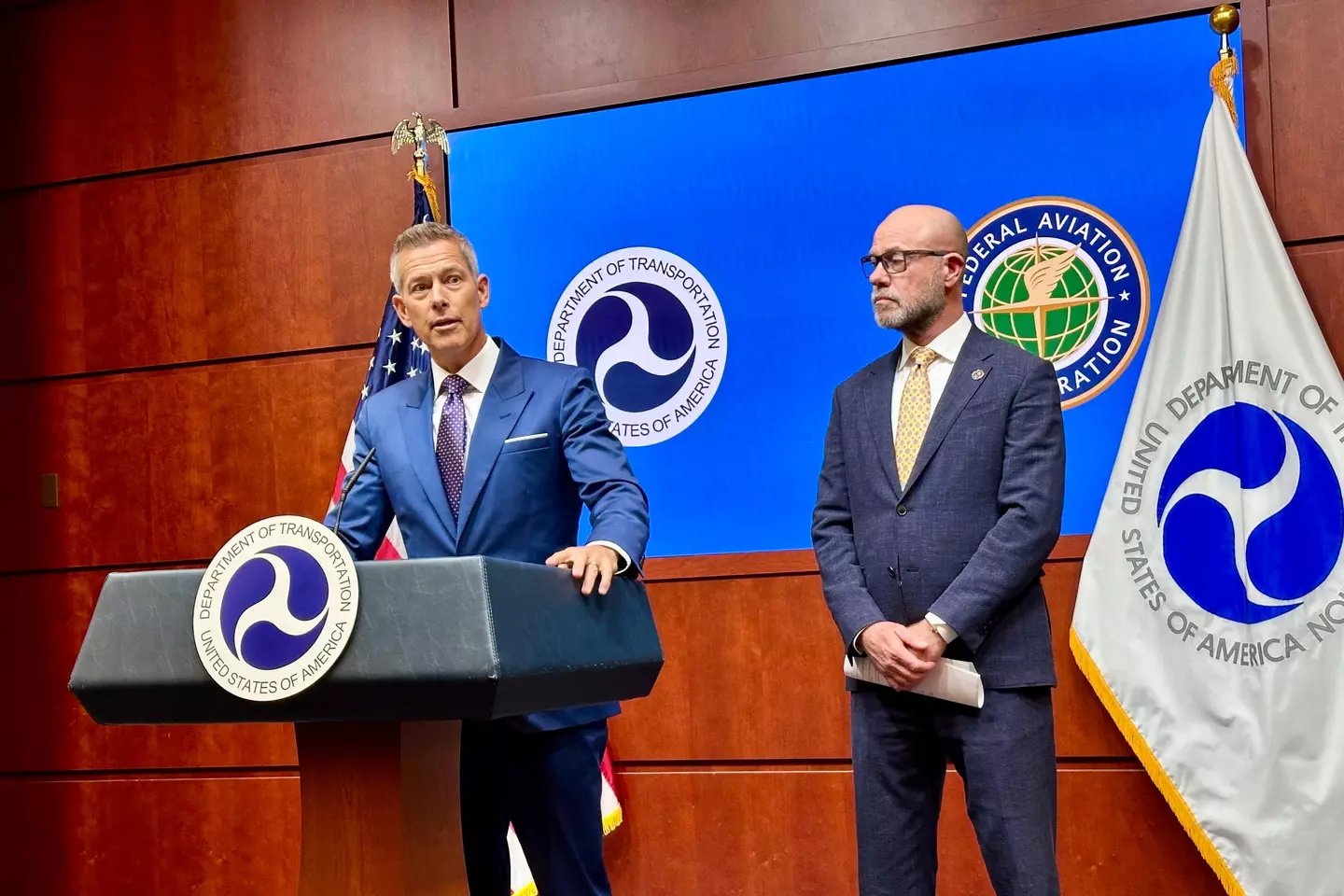
President Trump has given the green light for the production of compact vehicles, colloquially referred to as “tiny cars,” in the United States. These vehicles, reminiscent of Japanese Kei cars, are known for their small size and efficiency, making them a popular choice across various markets in Asia. The initiative aims to promote the manufacturing of these vehicles domestically, potentially attracting both consumers and investors interested in more fuel-efficient and affordable transportation options.
The decision aligns with ongoing trends towards sustainability and innovation in the automotive industry, as manufacturers look to produce smaller, less environmentally impactful cars to meet changing consumer preferences and compliance demands. By fostering the development of tiny cars in America, the administration hopes to stimulate economic growth, create jobs, and enhance the country’s competitive edge in the automotive sector.
As interest in environmentally friendly transportation continues to grow, this approval is seen as a pivotal step towards diversifying the types of vehicles available in the U.S. market. Further details on manufacturing locations, expected timelines, and potential partnerships are anticipated in the coming months.
Why this story matters: The approval could lead to significant changes in the American automotive landscape and promote more sustainable transportation options.
Key takeaway: The introduction of tiny cars aims to boost domestic manufacturing and align with consumer demand for efficient vehicles.
Opposing viewpoint: Critics may argue that the focus on compact cars overlooks the needs of consumers preferring larger vehicles, such as SUVs and trucks.