


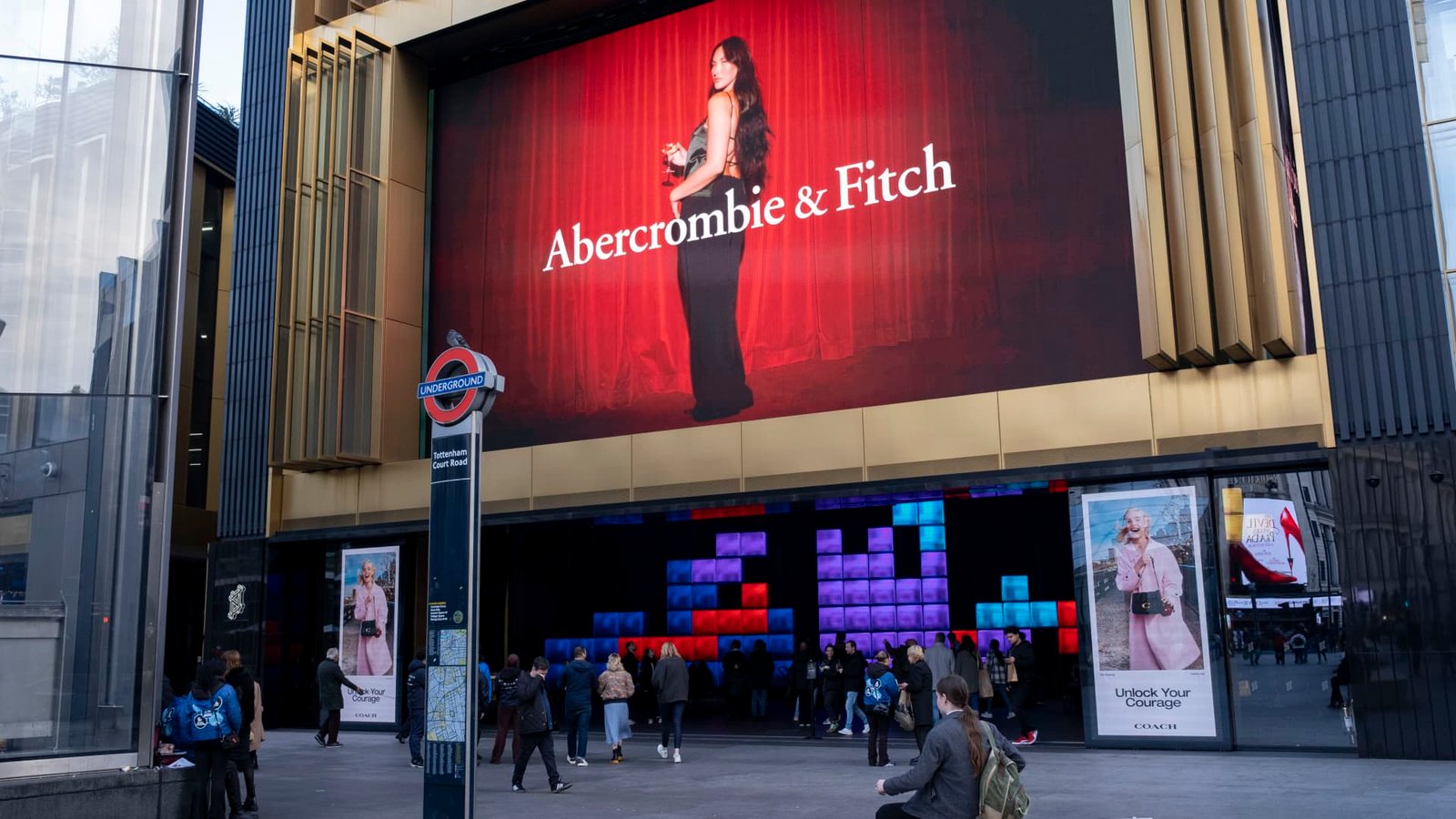
Abercrombie & Fitch reported mixed results for the fiscal first quarter, citing a direct impact on sales from the ongoing conflict in the Middle East. Despite these challenges, the company’s shares increased approximately 12% in afternoon trading as it surpassed Wall Street’s earnings expectations. Sales in the Europe, Middle East, and Africa (EMEA) region declined by 10% during the quarter, largely due to a drop in demand for its Hollister brand amid escalating tensions, according to Chief Financial Officer Robert Ball.
Total company net sales growth was reduced by over 0.5 percentage points compared to prior forecasts. CEO Fran Horowitz emphasized the company’s focus on controllable factors, such as inventory management and marketing investments, to adapt swiftly to changes in the market. Looking ahead, Abercrombie anticipates overall sales growth for the second quarter and full-year 2026, aiming for its fourth consecutive year of net sales growth.
For the current quarter, the company projected earnings per share between $1.80 and $2, falling short of the estimated $2.54. However, Abercrombie reaffirmed its full-year outlook, expecting net sales to rise by 3% to 5% and earnings per share between $10.20 and $11. Companywide sales increased by 2%, mainly driven by new store openings and favorable currency effects, rather than organic consumer demand.
While the EMEA region accounts for about 15% of Abercrombie’s total sales, market analysts noted that challenges remain in light of geopolitical issues. Ball indicated that by the end of the year, tariffs and freight costs would present minimal headwinds, with recent U.S. tariff policy changes positively influencing its financial outlook. The company has also applied for a tariff refund of approximately $100 million.
Bullet Points:
- Why this story matters: Abercrombie’s ability to navigate geopolitical tensions and economic shifts is crucial for its future performance and investor confidence.
- Key takeaway: Despite a challenging quarter, Abercrombie & Fitch remains optimistic about its sales growth and strategic investments.
- Opposing viewpoint: Critics may argue that reliance on external factors, such as new store openings and currency rates, may not sustain long-term growth without solid organic demand.