


Boeing Co. reported a larger-than-anticipated loss for the second quarter, largely due to setbacks with its Air Force One program, which has seen delays and increased investment requirements. The company incurred a $280 million loss associated with delivering two new 747s designated for the U.S. government’s next-generation Air Force One, with the first delivery expected by 2028. Boeing CEO Kelly Ortberg emphasized ongoing progress in development, highlighting a commitment to refining operations until completion.
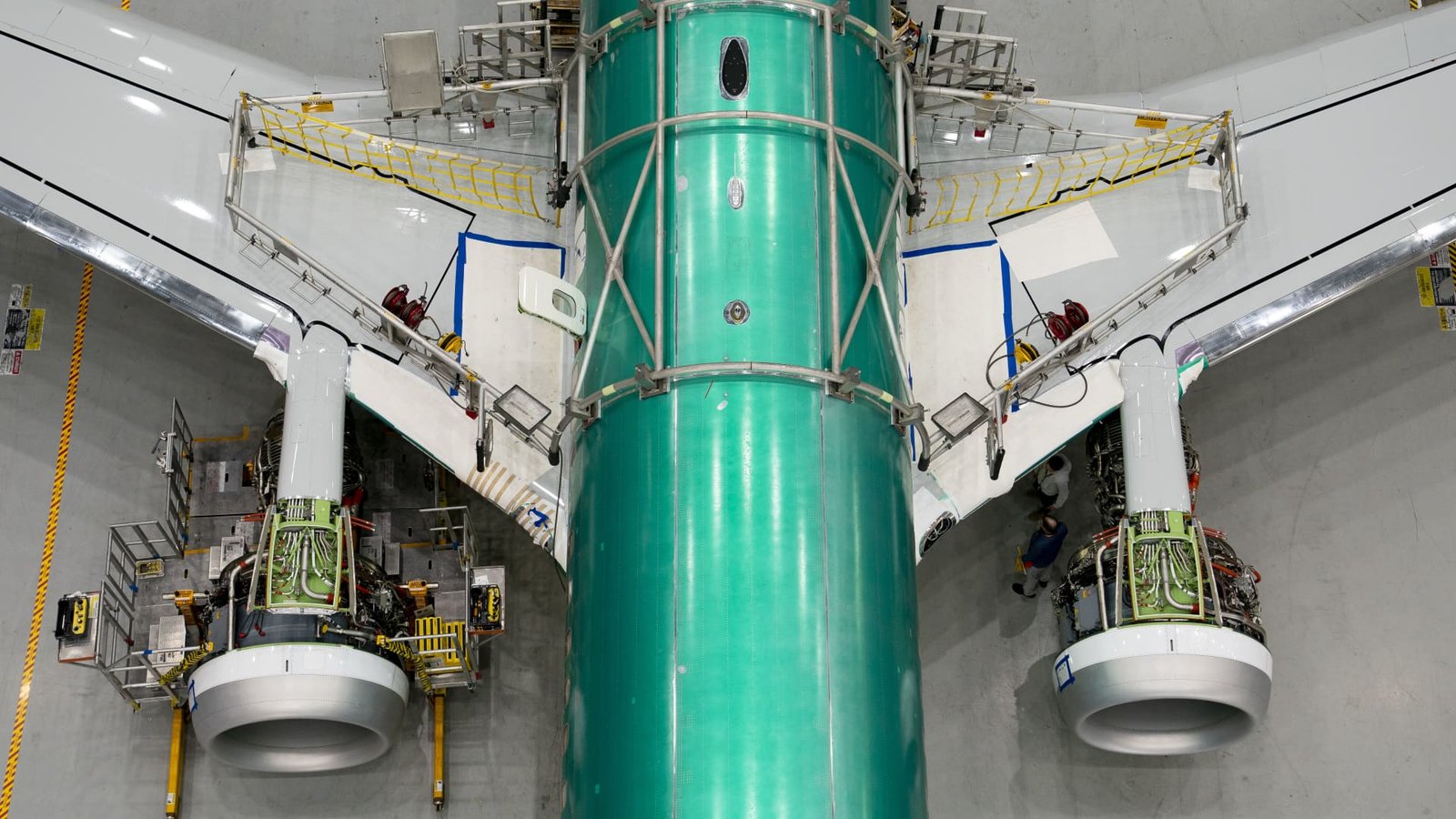
For the second quarter, Boeing’s adjusted loss per share was 76 cents, significantly more than the anticipated loss of 30 cents. Revenue, however, rose by 8% year-over-year to $24.56 billion, surpassing the expected $24.25 billion, driven by an uptick in aircraft deliveries. The company increased production of its 737 Max aircraft to 47 units monthly, with plans for further increases.
Commercial aircraft deliveries climbed 14% compared to the previous year, totaling 171 planes in the quarter. Meanwhile, free cash flow reached $631 million, outperforming analyst expectations of a $177 million cash burn, and compared favorably to a cash burn of $200 million in the same period a year prior. Boeing’s net loss narrowed to $428 million, or 67 cents a share, down from a net loss of $612 million, or 92 cents a share, a year earlier. Ortberg expressed optimism about the second half of the year, stressing the importance of safety and quality to enhance competitiveness. Upcoming milestones include certification of delayed aircraft programs, notably the 737 Max 7.
Why this story matters
- Boeing’s performance is critical as it re-establishes its foothold in the aerospace industry post-pandemic.
Key takeaway
- Despite reporting losses, Boeing’s revenue growth and increased aircraft deliveries suggest potential recovery.
Opposing viewpoint
- Critics may argue that ongoing delays in key programs like Air Force One signify deeper operational issues within the company.