


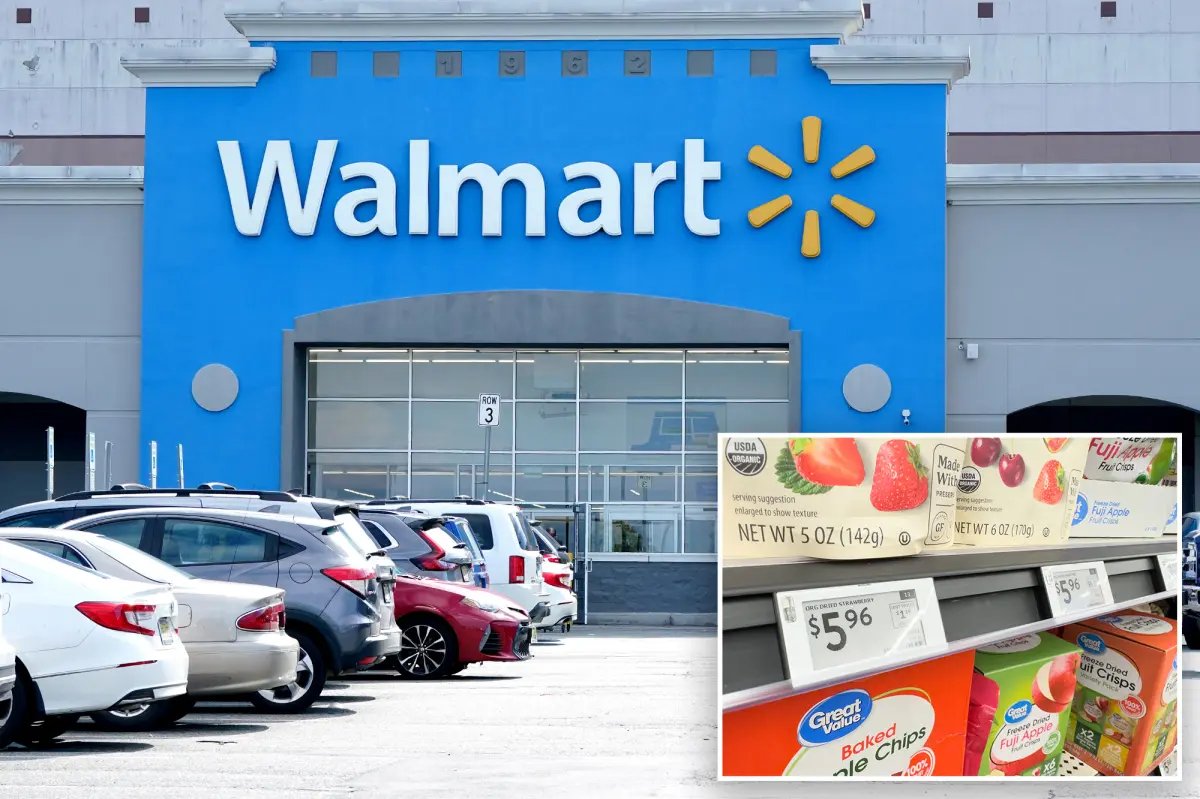
The implementation of digital price tags by Walmart and other major retailers in the U.S. has sparked concerns regarding potential price manipulation and job displacement. Walmart plans to install these digital labels across all 4,600 U.S. stores by the end of the year. The company asserts that the technology will streamline the process of updating prices, which previously required significant time and manual labor.
Opposition to digital tags has emerged among Democratic lawmakers and labor unions, who are advocating for regulatory measures over fears of price gouging and job loss. Ademola Oyefeso, vice president of the United Food and Commercial Workers International Union, expressed concerns that the technology, which may include features like Bluetooth capability, could lead to discriminatory pricing practices.
The controversy around pricing practices has been intensified by incidents such as Instacart’s alleged variable markups and Wendy’s recent reconsideration of plans to change menu prices in real-time, following a public backlash. Union officials emphasize that the rapid price adjustment capability of electronic tags could undermine consumer trust and wage security for retail workers.
Legislative efforts to regulate or ban digital pricing technologies have gained traction, with proposals emerging in several states and at the federal level. Opponents of the tags argue that they may facilitate dynamic pricing models that exploit customer data, while supporters, including Walmart, claim the concerns are exaggerated and emphasize improved operational efficiency.
Retail trade groups and companies like Vusion, which manufactures these tags, defend the technology, arguing that it offers essential advantages for inventory management and customer service.
Why this story matters:
- The shift to digital pricing raises questions about consumer rights and retailer accountability amidst economic pressures.
Key takeaway:
- Concerns about job loss and price manipulation are driving legislative initiatives against digital price tags in retail.
Opposing viewpoint:
- Supporters contend that digital pricing enhances operational efficiency and improves customer service without compromising fairness.