



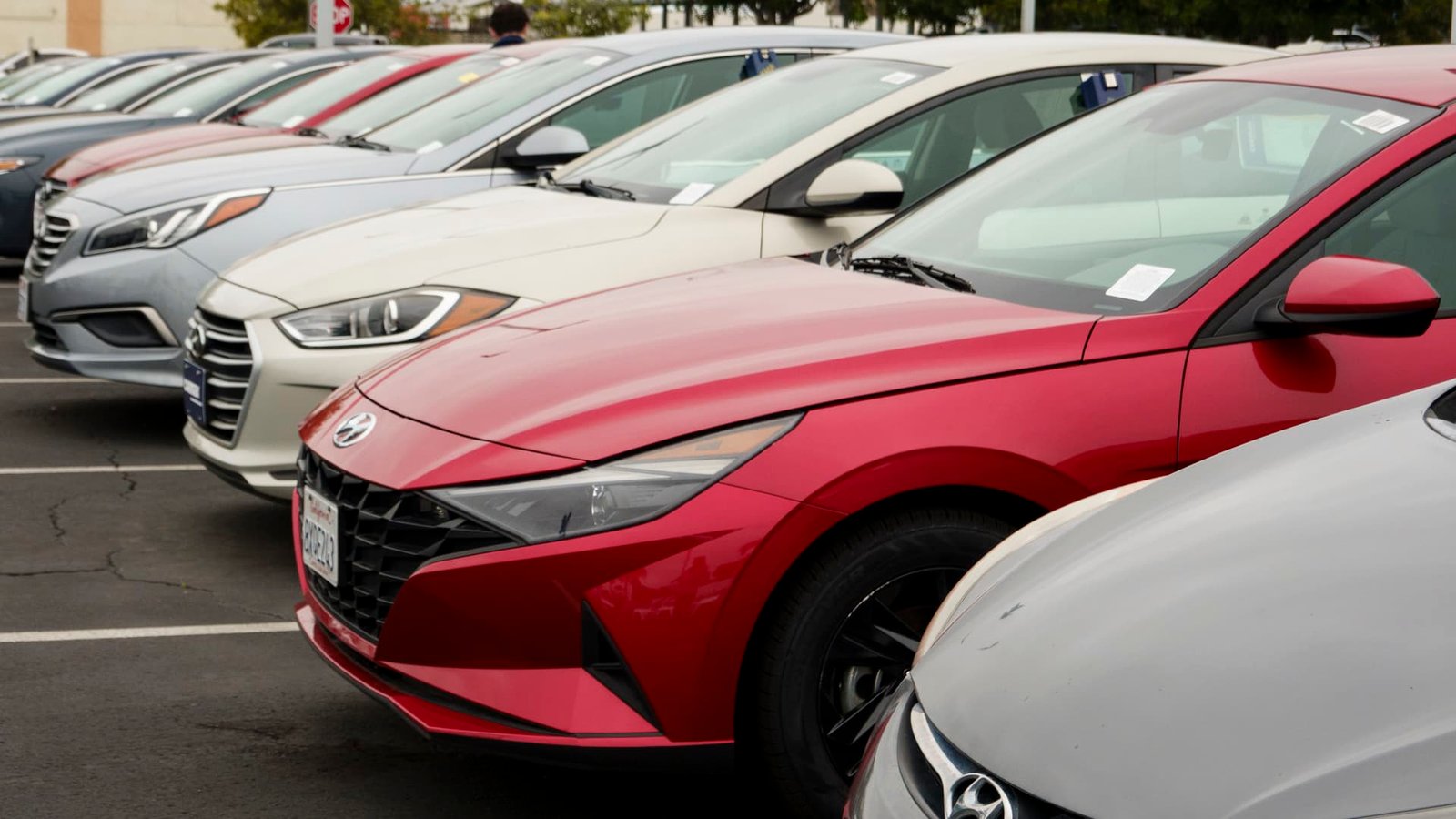
Sales of vehicles in the U.S. are projected to decline significantly from the record high of 17.6 million units sold in 2013. Analysts from Bain & Company suggest that multiple factors, including falling birth rates, shifting consumer behaviors, and rising car prices, could lead to a reduction of over 2 million vehicle sales per year by 2040.
Mark Gottfredson, a partner at Bain, attributes this potential downturn to a combination of demographic shifts and market disruptions. He notes that the U.S. fertility rate has dropped to approximately 1.6 births per woman, below the replacement level, and anticipates that increasingly restrictive immigration policies will further limit population growth. Changes in consumer attitudes have been evident, with fewer young people obtaining driver’s licenses and an increasing preference for alternative transportation methods like ridesharing services.
Research shows that the share of new vehicle registrations among the 18 to 34 age group has decreased, while registrations by individuals aged 55 and older have increased. The increasing unaffordability of new vehicles, with monthly payments up by 30% over four years, is a significant factor. Approximately 20% of new cars now have payments exceeding $1,000 per month, narrowing the market predominantly to older consumers.
Future sales may stabilize around 16 million vehicles annually through 2033, with a possible decline in the population of licensed drivers, particularly if autonomous vehicles become prevalent. Additionally, vehicle longevity is extending, complicating the potential for recycling and vehicle deregistration, which is projected to decrease significantly.
The auto industry is expected to experience intensified competition, challenging automakers to adapt to shifting consumer demands and market dynamics.
Bold Points:
- Why this story matters: Highlights shifting dynamics in the U.S. auto market that may impact manufacturers and consumers alike.
- Key takeaway: A combination of demographic and economic factors is likely to result in reduced vehicle sales and a more competitive marketplace.
- Opposing viewpoint: Some may argue that technological advances, such as autonomous vehicles, could reinvigorate demand within the auto industry.