


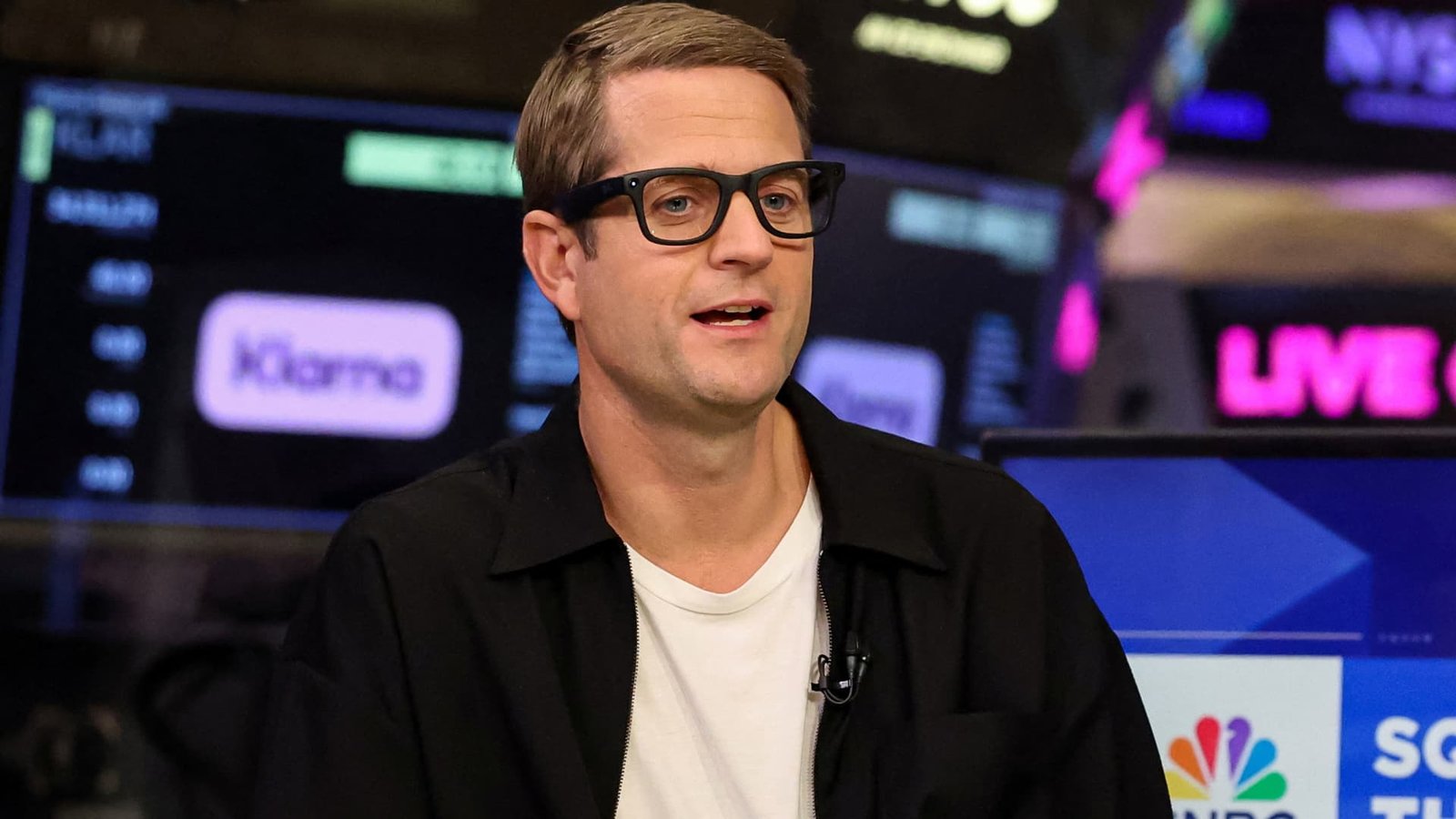
Klarna, the Swedish fintech firm recognized for its buy now, pay later services, has applied for a federal and state charter to establish a U.S. banking subsidiary, Klarna Bank USA, which would be backed by the Federal Deposit Insurance Corporation (FDIC) and based in Utah. This initiative, led by Gary Harding, former CEO of Milestone Bank and Prime Alliance Bank, is part of a strategic move to expand Klarna’s operations beyond payment solutions and into full banking services.
Sebastian Siemiatkowski, Klarna’s CEO and co-founder, emphasized the growing demand for a transparent and fair banking experience in the U.S. market, indicating that owning a banking license aligns with the company’s vision. He stated that the proposed bank would empower customers with tools for responsible borrowing, enhancing their financial confidence while fostering competition and innovation.
This application reflects a broader trend among fintech companies toward owning banking charters rather than relying on partnerships with traditional financial institutions. Recently, companies like Mercury have successfully sought similar banking licenses, indicating a shift in strategy within the industry. Should Klarna’s application be approved, the firm plans to consolidate its banking functions, allowing it to provide a wider range of services, such as checking accounts and credit card offerings, funded by customer deposits rather than costlier wholesale financing.
Klarna, which went public last September, is currently trading at approximately half of its initial public offering price of $40.
Why this story matters:
- The establishment of Klarna Bank USA could signify significant shifts in the fintech landscape and how consumers engage with banking services.
Key takeaway:
- Klarna’s pursuit of a banking charter illustrates a larger trend among fintech companies to gain independence from traditional banking partnerships and enhance service offerings.
Opposing viewpoint:
- Some industry observers may argue that increased competition from fintechs could jeopardize traditional banks and raise regulatory challenges in the financial sector.