

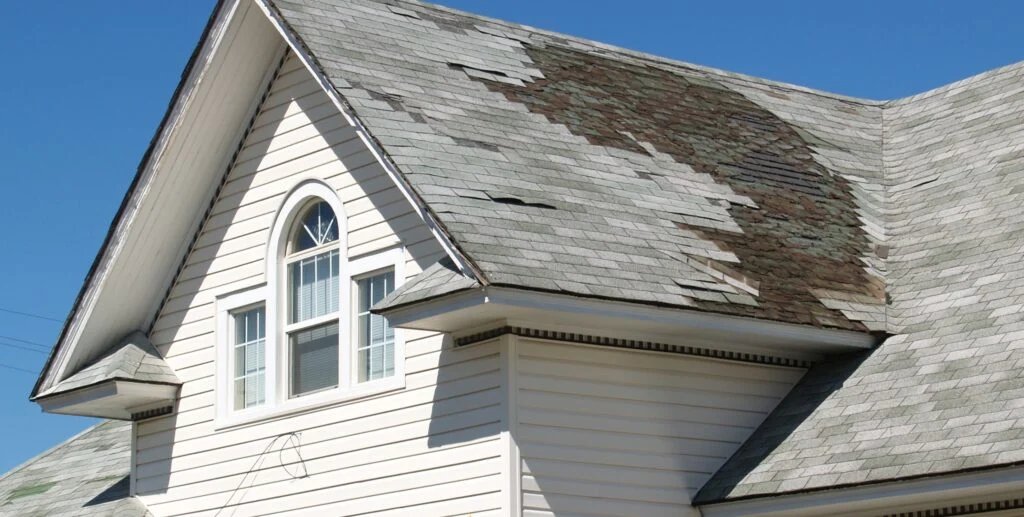
A new rule from the Federal Housing Finance Agency (FHFA) is shifting the financial liability for roof damage claims from insurers to property owners, particularly affecting landlords. This development requires property owners who choose lower-cost homeowner’s insurance to cover the cost of roof repairs or replacements after storm damage based on the depreciated value rather than the full replacement cost. As a result, landlords may face hefty out-of-pocket expenses for roof repairs following severe weather events.
Previously, Fannie Mae and Freddie Mac mandated full replacement cost coverage for roofs. However, with the latest rule, investors with mortgages from these entities can now select policies that offer actual cash value (ACV) coverage, which deducts depreciation based on the roof’s age and condition. While this change is framed as a move to provide property owners with more affordable insurance options—potentially lowering premiums by 10% to 20%—it presents the risk of significant unexpected costs during damage claims.
Experts warn that choosing lower coverage can lead to financial surprises. Lindsay Frangie, a branch partner at Alcova Mortgage, cautions that investors may not be prepared for the costs if they neglect to maintain adequate coverage. Additionally, the insurance industry has faced scrutiny, with reports indicating that major companies often deny a substantial percentage of claims.
While the new policy may offer short-term savings, property owners are advised to consider long-term financial implications. Many insurance experts suggest that consulting with a broker may provide insights into tailored insurance solutions that can better safeguard against risks associated with property ownership.
Why this story matters
- It highlights the potential financial burdens property owners may face due to changes in insurance policy requirements.
Key takeaway
- The shift to actual cash value coverage can result in significant out-of-pocket expenses for landlords in the event of roof damage.
Opposing viewpoint
- Some argue that the new rule provides homeowners with more affordable insurance options, fostering accessibility in the housing market.