

India is navigating current energy supply challenges following the closure of the Strait of Hormuz by Iran on July 11. Experts indicate that despite the renewed tensions, India is better positioned than it was earlier in the conflict.
Recent military actions, including an Iranian attack on a vessel and US retaliatory strikes, have escalated hostilities in the region. The closure of this critical waterway is likely to drive energy prices higher, but analysts believe that India’s supply outlook is more resilient this time. A senior refinery executive noted that India has secured crude supplies through August and has arranged for LPG imports, although some issues with LNG might arise.
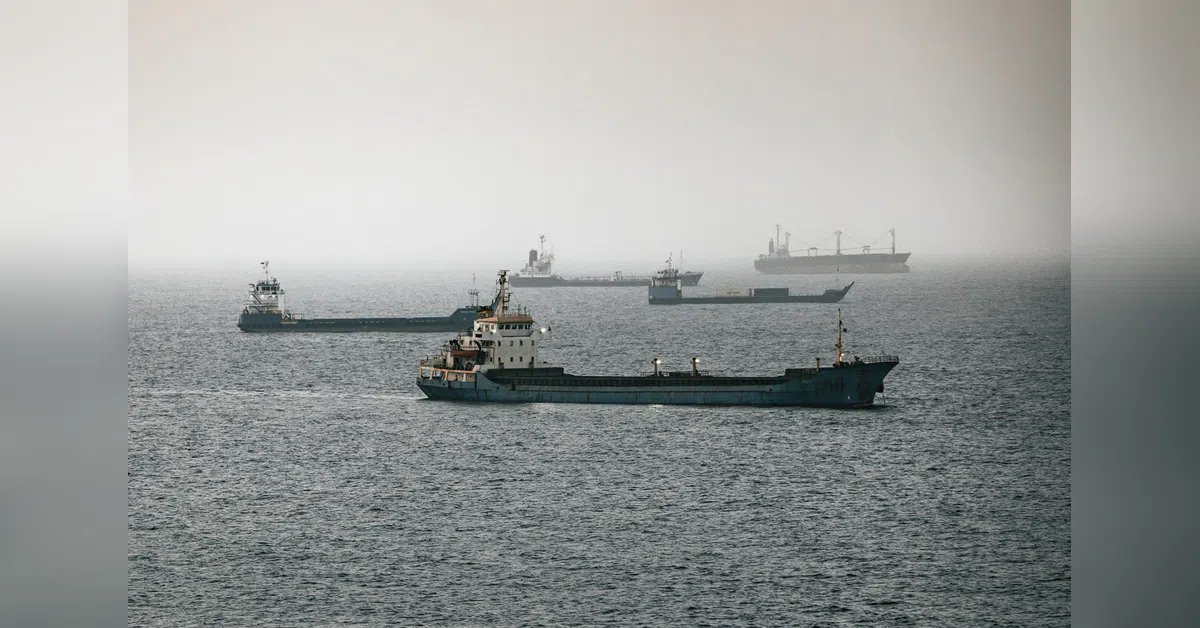
Vessel traffic in the Strait has decreased significantly, with only two ships reported to be approaching the area. With crude prices already rising to roughly $79 per barrel, there are indications that the ongoing geopolitical tensions could push prices to between $80 and $85 per barrel. Hitesh Jain, lead analyst at Yes Securities, emphasized that markets are better prepared compared to previous disruptions, as non-OPEC production has risen, providing additional flexibility.
In terms of reserves, India has sufficient crude oil and LNG for about 60 days and LPG for 45 days. The Union Minister for Petroleum and Natural Gas, Hardeep Singh Puri, stated that there are currently no plans to reverse the easing of LPG and natural gas supply restrictions for industrial users, despite the latest developments.
Experts stress the importance of diversifying energy sources and accelerating electrification in transport to mitigate vulnerability to geopolitical upheaval. Santosh Kamath, managing director at Alvarez & Marsal, pointed out that while long-term strategies are essential, they require time to effectively reduce dependence on fossil fuels.
Why this story matters:
- Highlights India’s preparedness amidst geopolitical tensions affecting energy supply.
Key takeaway:
- India’s energy supply situation appears more resilient than in past conflicts, with secured reserves and diversified sourcing.
Opposing viewpoint:
- Experts advocate for deeper energy diversification and electrification, suggesting current measures may not sufficiently shield against future disruptions.