


Tensions in the Persian Gulf persist despite a recently established ceasefire between the U.S. and Iran. The Strait of Hormuz, a vital waterway through which a significant portion of the world’s oil supply passes, continues to be a flashpoint, with both nations vying for control.
Iran has reiterated that all maritime traffic must have its approval and has engaged in military actions against vessels deviating from designated routes near its coast. On Saturday, Iranian authorities announced the closure of the strait after purportedly targeting a ship that strayed into unauthorized waters.
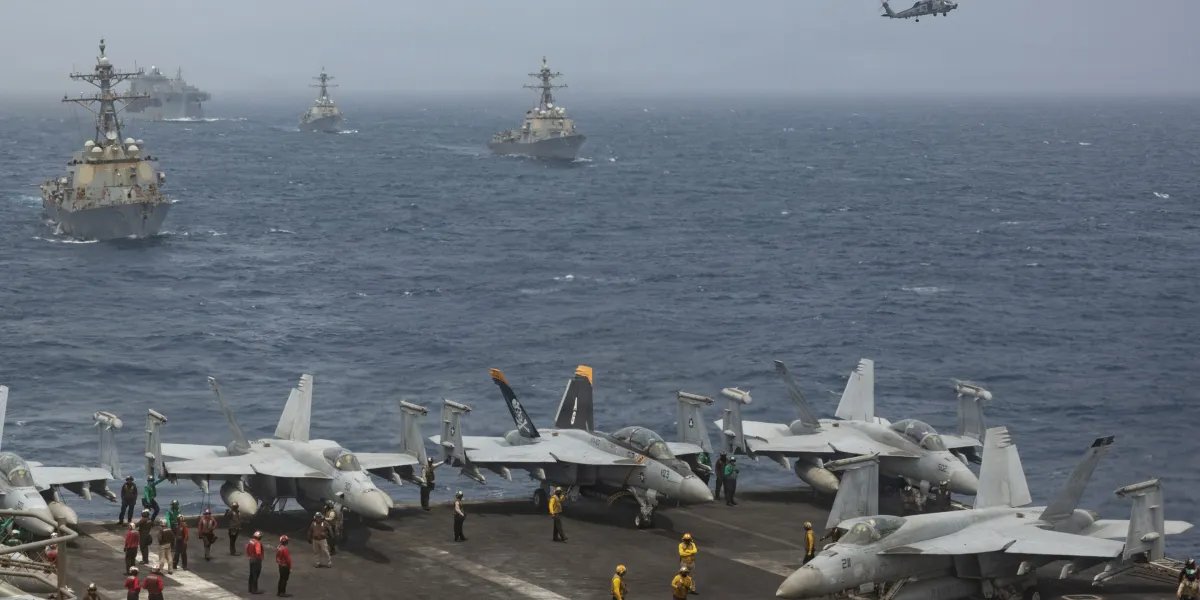
In response, the U.S. military has conducted airstrikes on Iranian positions used for launching drone and missile attacks while escorting shipping along a safer alternative route nearer to Omani territory. U.S. Central Command criticized Iran for failing to adhere to the agreements made in earlier negotiations and emphasized the continuation of operations to ensure safe passage for commercial vessels.
Despite intense U.S. military pressure, the strait remains contested, with Iran leveraging its capacity to disrupt oil shipping as a tool for negotiation. The U.S. has called for a public declaration from Iran acknowledging the strait’s open status to reassure global markets.
Oman is proposing a dual-route system for navigation, with one path maintaining free access through Omani waters and another requiring Iranian approval, although it aims to facilitate unencumbered passage under prewar conditions. This initiative is still under discussion.
The current situation indicates a potential stalemate as both nations appear hesitant to provoke a larger conflict, yet localized skirmishes may continue. Observers suggest a renewed agreement could be necessary given both nations’ domestic pressures and the fragility of the ceasefire.
Why this story matters:
- Ongoing tensions in this region affect global oil markets and security.
Key takeaway:
- A fragile ceasefire in the Persian Gulf remains challenged by competing territorial claims and military actions.
Opposing viewpoint:
- While some advocate for a hardline approach by the U.S., others suggest continued diplomatic efforts to avoid escalation.