


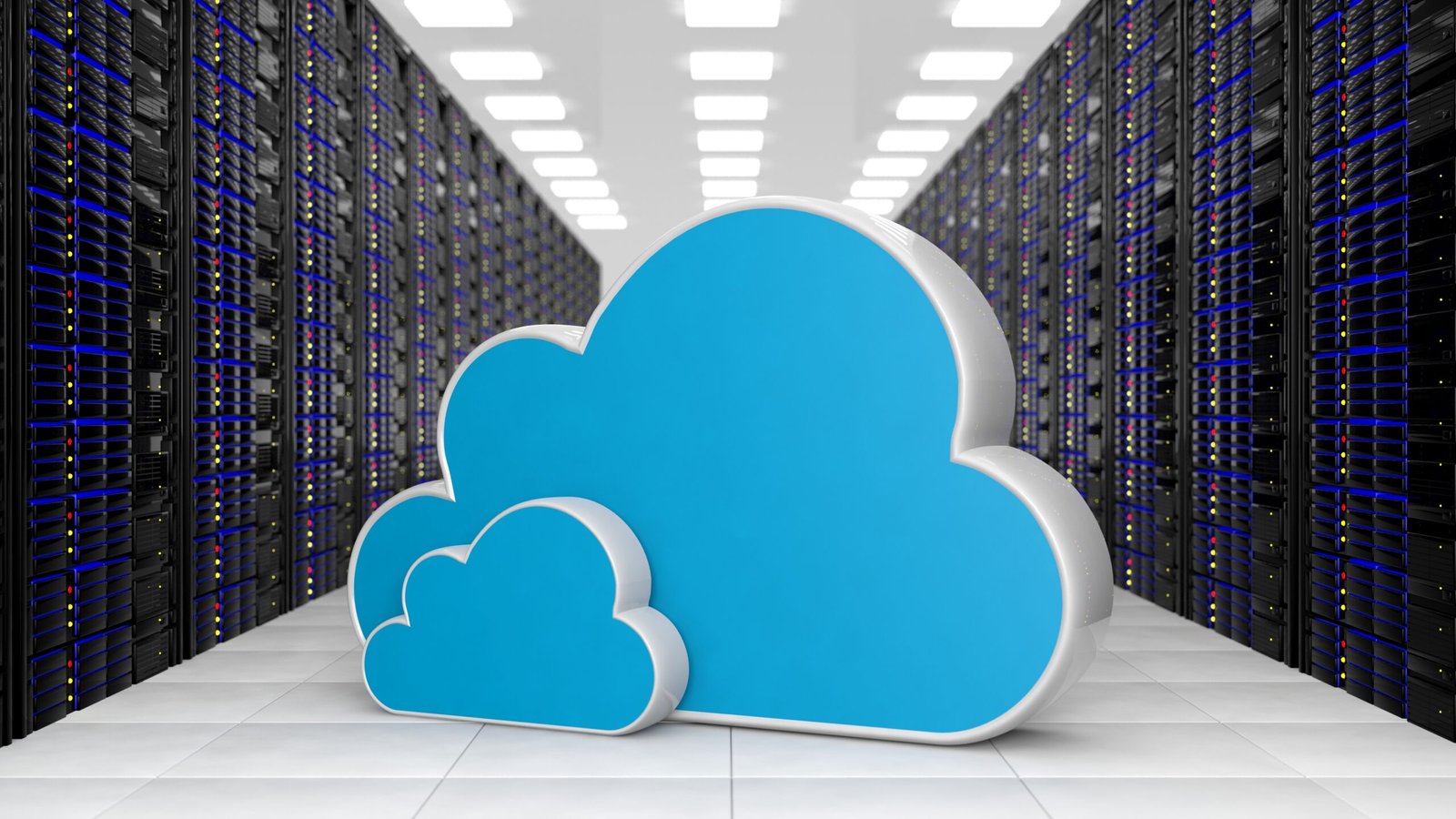
Cloud storage enables users to store data and applications on remote servers accessed via the internet, rather than on local devices or onsite servers. This model, referred to as "the cloud," utilizes third-party data centers that host vast amounts of data across multiple servers, ensuring data redundancy and minimizing the risk of loss even if one server fails.
Files uploaded to services like Google Drive or iCloud are saved on these data servers, which are typically housed in extensive server farms. This infrastructure allows users to access their information from any device—desktops, laptops, tablets, or smartphones—thus eliminating geographical limitations. Cloud storage provides protections against data loss while promoting accessibility and operational efficiency.
Cloud storage comes with both advantages and disadvantages. Key benefits include consistent access, enterprise-level security, and reduced IT overhead since companies do not need to maintain high-specification equipment. However, it poses challenges such as ongoing subscription costs, potential data ownership issues, and vulnerabilities like hacking.
Conversely, onsite storage solutions yield benefits such as complete control and security but carry risks, including susceptibility to physical damage or theft, and the high costs of maintenance and upgrades.
Popular cloud storage providers include Proton Drive, specifically designed for industries requiring high-security measures; iCloud, which is optimal for Apple device users due to its seamless integration; and OneDrive, especially beneficial for Office 365 subscribers. Other services like Box and Dropbox cater to different business sizes and needs, offering varying features and costs.
Why this story matters: Cloud storage solutions provide businesses with scalable options for data management and security.
Key takeaway: While cloud storage offers enhanced accessibility and redundancy, it is essential for organizations to weigh the costs and risks involved.
Opposing viewpoint: Some may argue that onsite servers offer greater control and reliability without dependency on third-party providers for data integrity.