


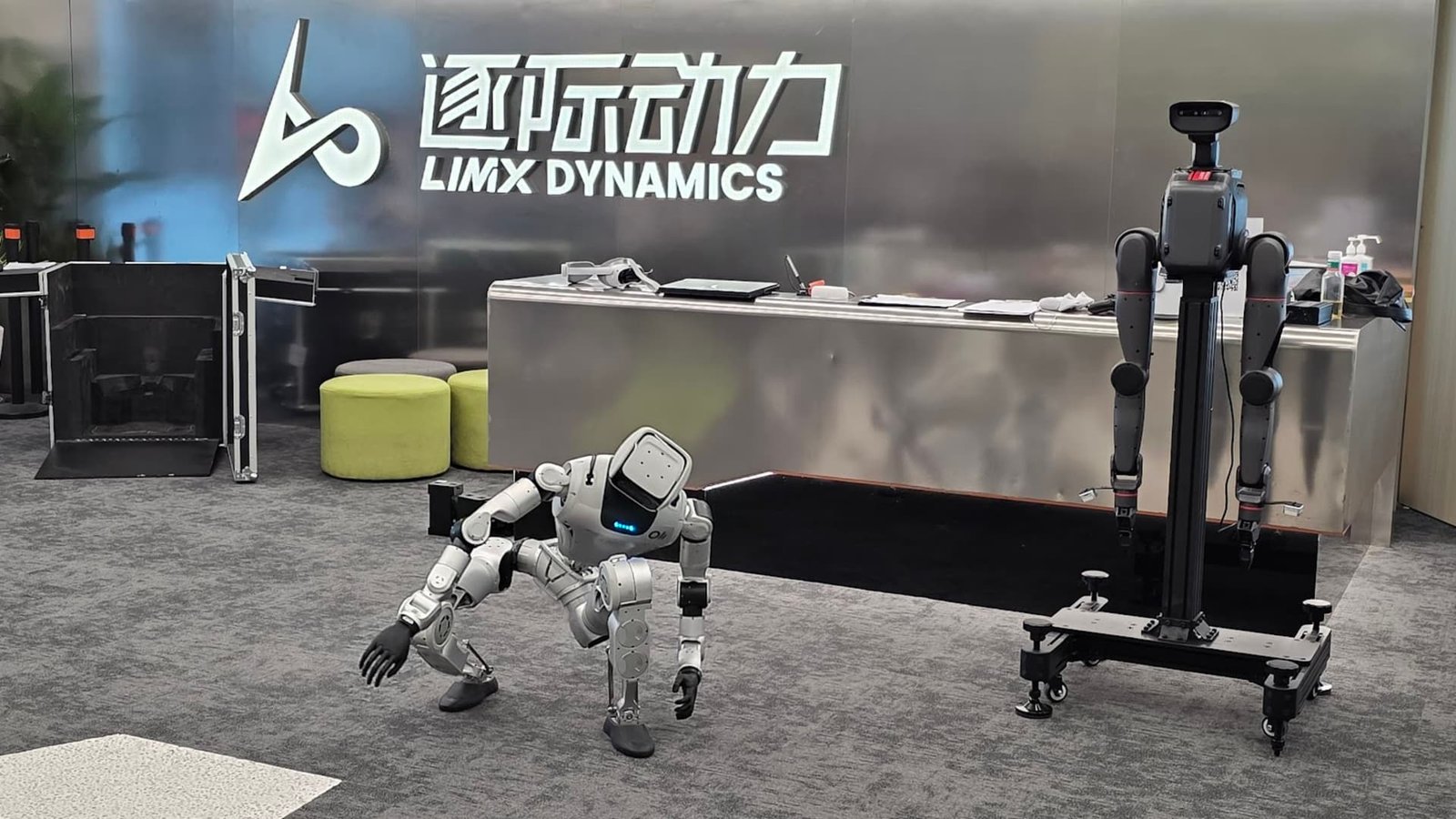
Humanoid robot startup LimX Dynamics is preparing for a public offering, following its establishment during the pandemic just over four years ago. Founder Will Zhang highlighted the importance of timing for the listing, drawing parallels with successful Chinese electric vehicle companies that went public between 2018 and 2020. He noted that without a listing, companies may risk disappearing, referencing the case of WM Motor.
LimX Dynamics recently secured $200 million in a pre-IPO funding round, valuing the company at approximately 15 billion yuan ($2.21 billion). The round saw participation from international investors including UAE-based Stone Venture and Italy-based GGG. The startup is currently in the confidential preparation phase for its IPO, which is anticipated to take place in Hong Kong.
The urgency for LimX’s listing reflects the growing competitive landscape in China, which boasts over 100 humanoid robotics firms as part of a national initiative for "embodied AI." Investment in this sector surged to 47.09 billion yuan ($6.95 billion) in the second quarter, more than doubling from the first quarter and increasing over six times compared to the same period last year. The approval of other humanoid companies for public listings signifies intensified competition, supported by a Morgan Stanley report forecasting an 18% growth in China’s industrial robotics market.
LimX Dynamics aims to develop fully autonomous commercial service robots and plans to deliver thousands of humanoids to the Middle East in the coming years. The company has already started shipping its entertainment-focused Luna humanoid to clients in South Korea. Zhang emphasized that while the technology has made significant strides, the challenge now lies in creating products that effectively meet user needs.
Why this story matters: Increased competition and investment in robotics could accelerate technological advancements.
Key takeaway: LimX Dynamics is positioning itself for a successful IPO amid a growing market for humanoid robots in China.
Opposing viewpoint: Rapid IPOs could lead to issues related to market sustainability and product viability in the competitive robotics space.