


A recent decision by the U.S. Federal Communications Commission (FCC) to restrict imports of foreign-made advanced robotic devices, including humanoid robots, has drawn a sharp response from China’s commerce ministry. The FCC cited cybersecurity concerns for these restrictions, which are part of a broader trend of escalating trade tensions between the two nations.
China’s commerce ministry criticized the FCC for ignoring China’s cautious approach to product bans, stating that these measures significantly undermine economic and trade stability between the U.S. and China. In an online statement, the ministry called for the U.S. to reverse its decision and warned of potential countermeasures if the restrictions remain in place. Analysts have pointed out that these moves could adversely affect Chinese humanoid robotics firms planning initial public offerings (IPOs) in the near future.
The escalating trade tensions coincide with an upcoming meeting between U.S. President Donald Trump and Chinese President Xi Jinping, heightening concerns about the implications for the tech sector. U.S. Treasury Secretary Scott Bessent has mentioned possible sanctions against China over allegations of AI technology theft, while Trump suggested a cautious approach to AI regulations to maintain American technological leadership.
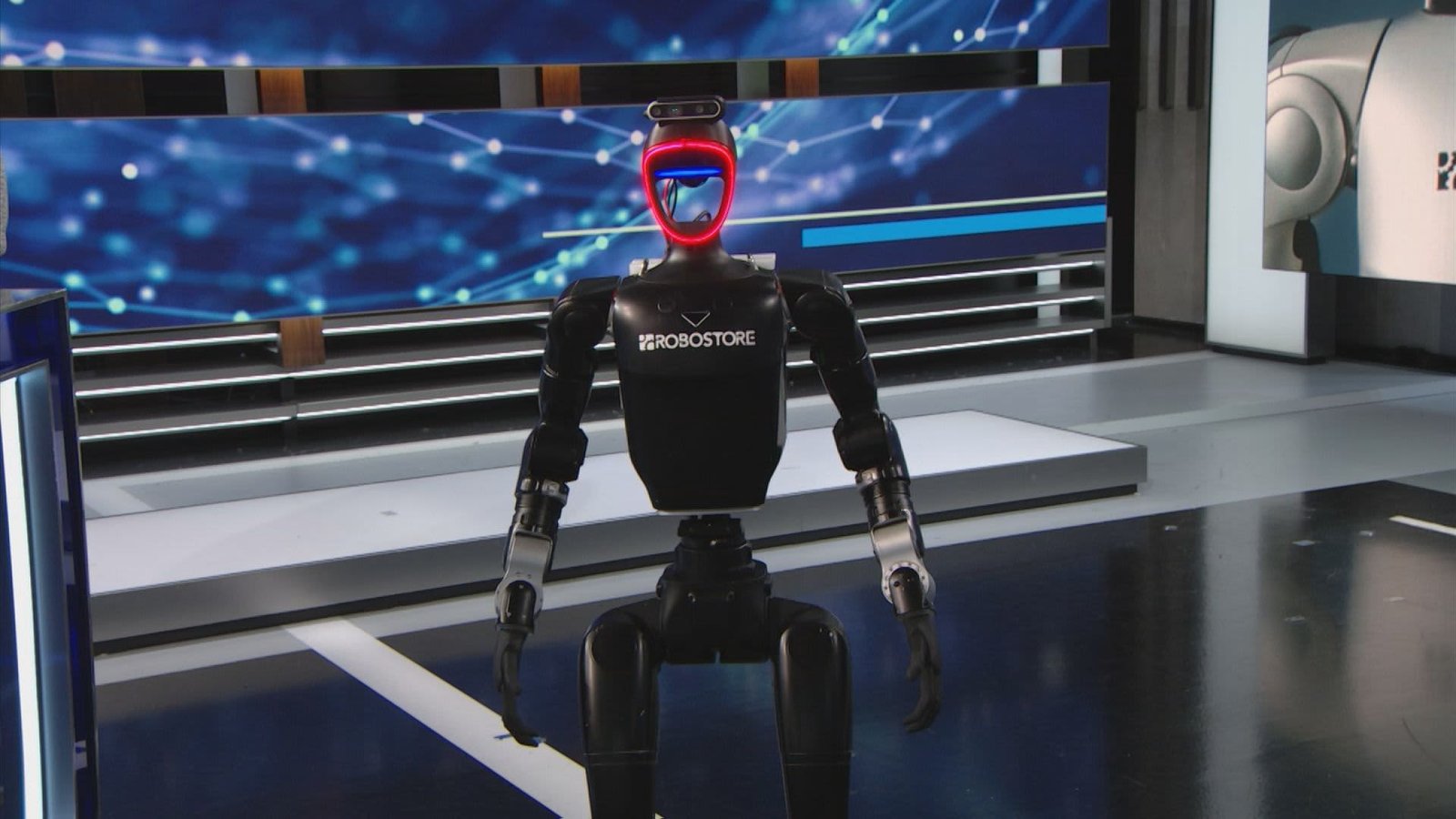
Chinese companies such as Agibot, Unitree, and UBTech hold the top three positions in the humanoid robotics market, while Tesla’s Optimus ranks fifth. Following the announcement, shares of Hong Kong-listed UBTech fell over 6%, reflecting market concerns. Robostore, a distributor of Chinese humanoid robots in North America, is enhancing its U.S. operations, although specific plans were not disclosed by its CEO.
Why this story matters: The restrictions could impact global tech supply chains and investment opportunities in China.
Key takeaway: U.S. measures against foreign robotic imports may lead to increased tensions and possible retaliatory actions from China.
Opposing viewpoint: Some argue that these restrictions are necessary to protect national security and intellectual property.