

Negotiations in the Senate over potential legislation to regulate college sports are encountering significant disagreement, particularly regarding the proposed imposition of a “hard salary cap.” This cap is designed to control costs associated with third-party payments that have contributed to rising expenses in college athletics.
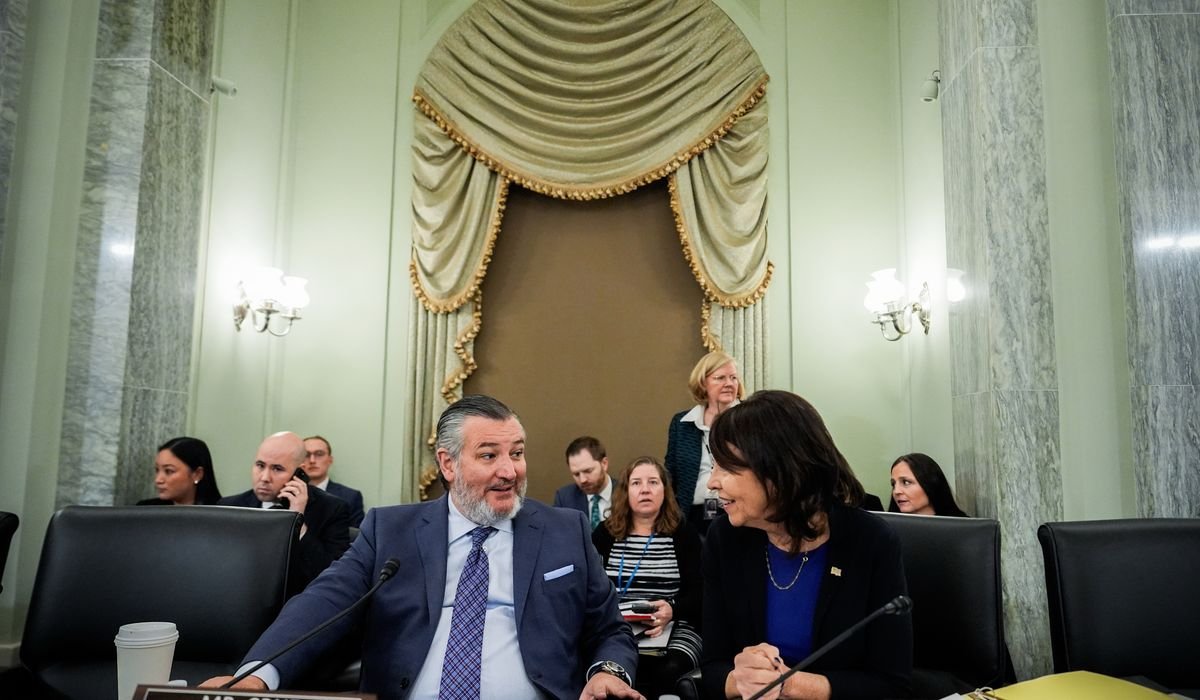
Senator Ted Cruz, R-Texas, chair of the Senate Commerce Committee and a cosponsor of the bill, asserted that the legislation includes a definitive hard cap, aimed at closing any existing loopholes. However, major conferences like the Big Ten and Southeastern Conference remain unconvinced, seeking stronger provisions within the bill before endorsing it.
As the Senate adjourned last Thursday and is set to break for vacation next Friday, the likelihood of further progress on the bill appears limited. One of the main developments from recent negotiations includes increasing a proposed “retention pool” to $27.5 million, augmenting the existing $21.3 million salary cap to a total of $48.8 million. This new cap would ideally encompass various third-party deals linked to players, aiming to standardize the market for such agreements.
Cruz emphasized that some commissioners are requesting further restrictions, such as barring companies working with schools from signing athletes. He criticized these demands, arguing they limit athletes’ rights to profit from their names.
A letter from key negotiators addressed concerns about the salary cap’s implications on existing revenue-sharing arrangements and highlighted that federal statutes would take precedence over previous settlements.
NCAA President Charlie Baker has expressed urgency in advancing the bill, stressing that while it may not be without flaws, it represents a vital opportunity to enhance fairness for student-athletes and ensure the sustainability of college sports.
Why this story matters
- The legislation could fundamentally change how college athletes are compensated and regulated.
Key takeaway
- Major conferences are pushing for more stringent provisions, showcasing the ongoing debate over collegiate athlete compensation.
Opposing viewpoint
- Critics argue that rigid restrictions on player endorsements may hinder athletes’ rights to earn from their name and likeness.