
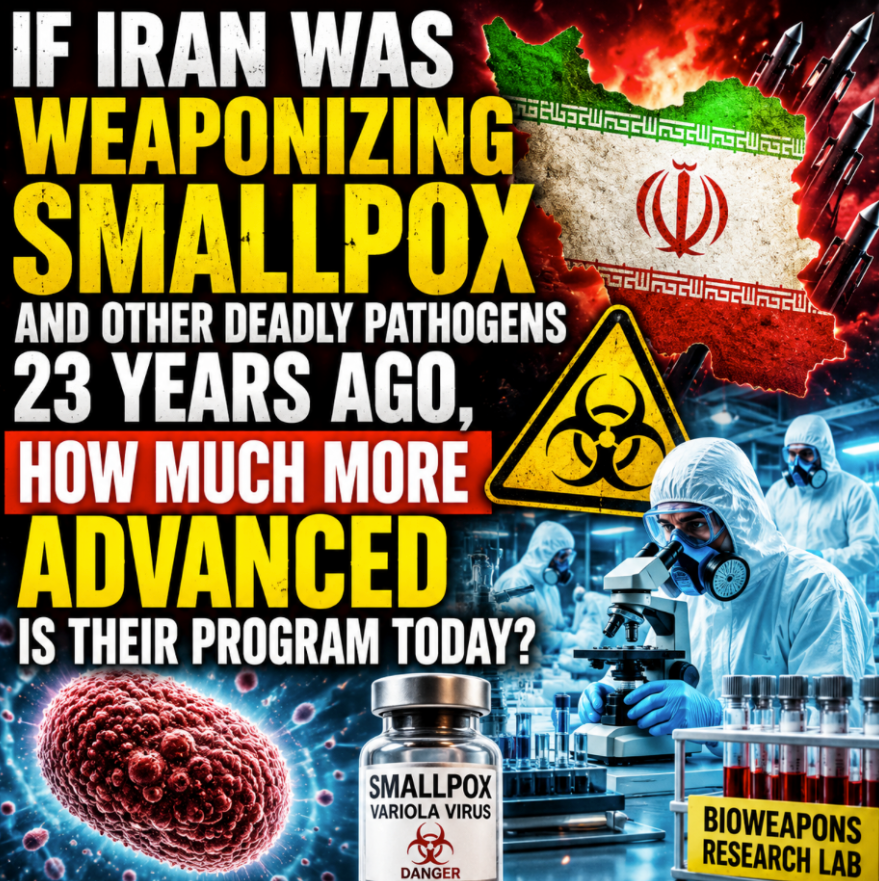
Concerns are growing over Iran’s biological weapons program, which reportedly includes the weaponization of pathogens such as anthrax, typhus, and smallpox. U.S. intelligence and officials have acknowledged knowledge of this program for over three decades, as highlighted by assessments from the CIA and the Russian Foreign Intelligence Service.
Iran has been enhancing its capabilities, having moved from reliance on foreign suppliers to domestic production of key components for biological agents. This development has raised alarms, particularly regarding the potential weaponization of smallpox—a disease eradicated from the general population but with fatal consequences if unleashed. According to claims by the Mujaheddin-e Khalq, a group with past credibility in exposing Iran’s nuclear advancements, the country’s pursuit of biological weapons may be more aggressive than previously assumed.
Despite ongoing threats, both U.S. and Russian intelligence highlight that Iran is likely aware of the severe retaliatory implications should it deploy chemical, biological, or nuclear weapons. This restraint is seen as part of Iran’s broader strategy to leverage geopolitical tensions without directly escalating to warfare.
Investigations into Iran’s biological activities have included research on lethal strains of various viruses and collaboration with other nations, further compounding concerns over the nation’s intent to develop offensive biological agents.
Overall, the risks associated with Iran’s advancement in biological weapons technology necessitate greater international scrutiny and debate, particularly as tensions in the Middle East rise. The consequences of inaction could be dire if such pathogens were ever released.
Bold points:
-
Why this story matters: The potential for biological weapons development poses significant risks to international security and public health.
-
Key takeaway: Iran’s biological weapons program has advanced significantly, raising concerns about the potential use of weaponized pathogens.
- Opposing viewpoint: Some experts argue that evidence of Iran’s biological weapons program remains inconclusive and that Iran may not yet have the capacity for effective deployment.