


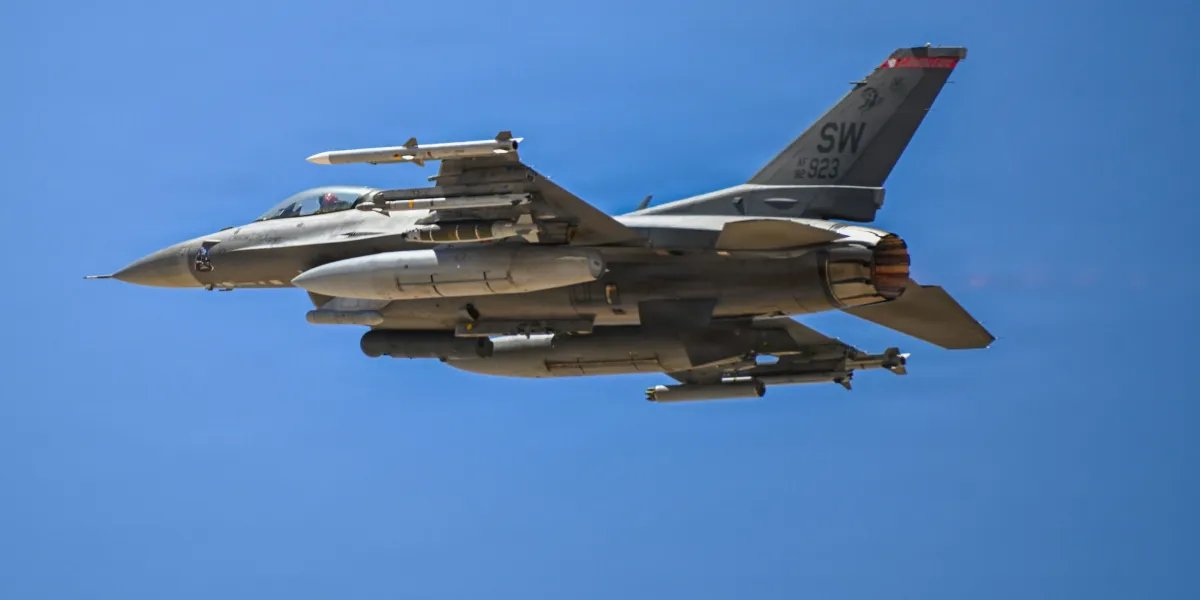
President Donald Trump has directed the U.S. military to prepare for potential strikes against Iran, with operations possibly commencing as early as this weekend, according to reports from the Wall Street Journal. The anticipated military action aims to pressure Tehran into compliance following recent tensions, including an attack on a U.S. base in Jordan.
During a Cabinet meeting, Trump emphasized the U.S. response, stating, “We’ll be hitting them very hard,” and suggested that Iran would ultimately concede under sustained pressure. Additional reports indicate that U.S. targets may include Iranian energy infrastructure, such as oil refineries, which would represent a significant escalation in hostilities. Advocacy groups have raised concerns that targeting civilian facilities could constitute war crimes.
Despite the heightened rhetoric, White House Press Secretary Karoline Leavitt did not confirm specific military plans but reiterated that Iran would face consequences until a “meaningful” negotiation ensues. Trump’s previous threats of escalation have often been followed by shifts in strategy, leaving observers uncertain about future actions.
Since the conflict began in late February, Iran has restricted navigation through the Strait of Hormuz—significant for global oil transportation—while U.S. and regional military actions have led to increased tensions. The situation recently escalated further when two ships carrying liquefied natural gas were targeted by drones at an Egyptian port.
These developments have raised oil prices, compounding economic frustrations for U.S. citizens already grappling with rising costs in food and housing. With the midterm elections approaching, public opinion appears to be turning against Trump’s handling of both the war and the economy.
Why this story matters:
- Heightened tensions may lead to wider regional conflict.
Key takeaway:
- The U.S. military is preparing for potential strikes on Iran, raising concerns about escalation and civilian impacts.
Opposing viewpoint:
- Critics caution against military action, arguing that it could exacerbate instability and produce unintended consequences.