


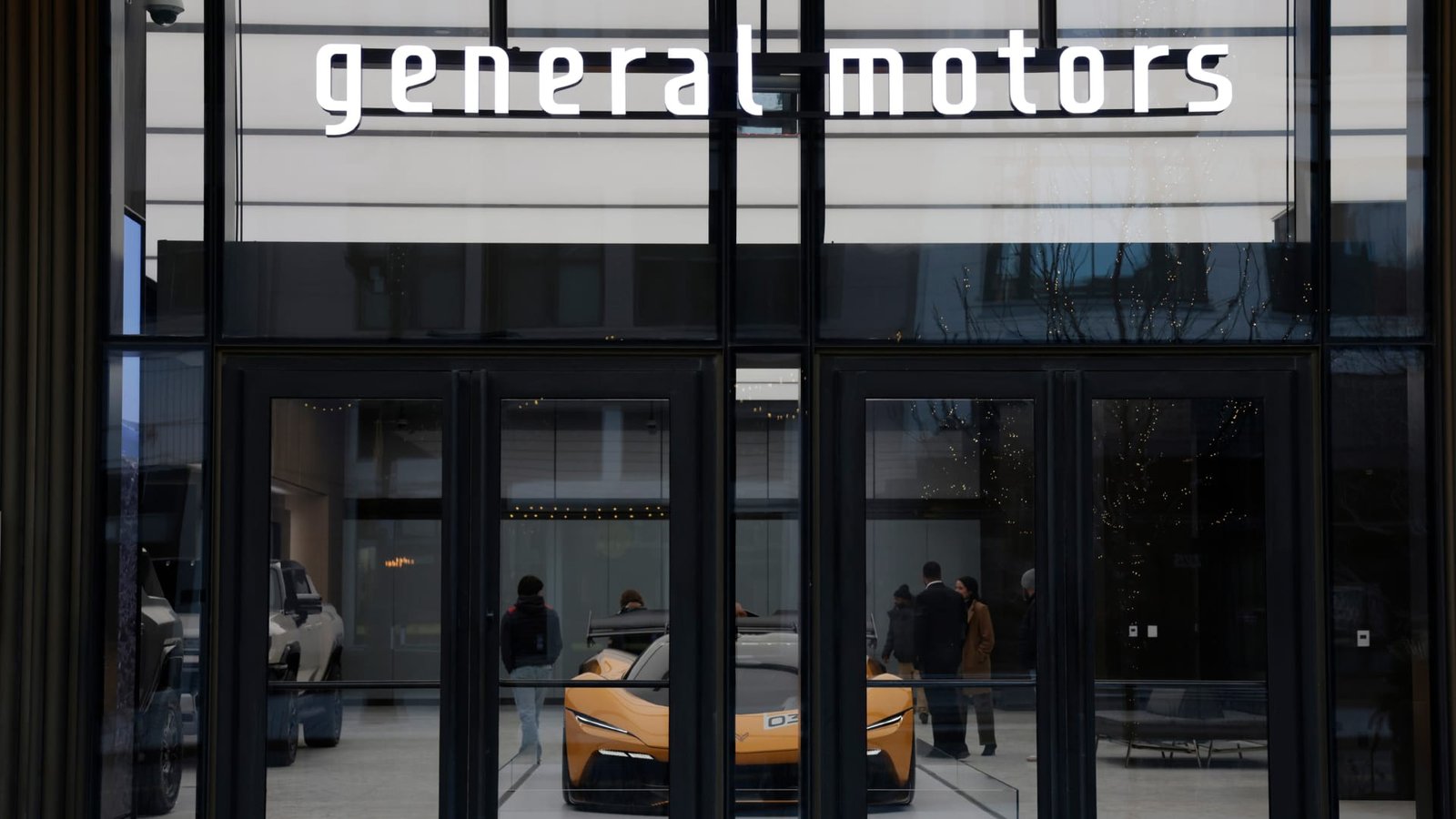
General Motors (GM) has finalized a significant multibillion-dollar deal aimed at streamlining its supply chain and preserving cash flow amid ongoing challenges faced by the global automotive industry. In a filing made on Tuesday, GM announced that it has created a purchasing facility worth up to $4.5 billion in collaboration with Procura Auto Parts, a firm that specializes in sourcing critical parts. The funding will be facilitated by a bank syndicate led by JPMorgan Chase and Banco Santander, allowing GM to prepay select suppliers.
Under this arrangement, GM will provide irrevocable payment undertakings (IPUs) to repay Procura after utilizing the parts in production, with a deadline set for July 31, 2029. This strategy helps GM maintain a low inventory cost while ensuring a more secure future supply chain. As per the terms of the agreement, GM will incur interest along with an additional premium on utilized funds and a standard annual fee on any unused amounts.
The accounting implications are notable: prepayments will be classified as an asset, while the actual purchases will be recorded as unsecured debt. Until GM purchases the inventory, these transactions will not impact its adjusted automotive free cash flow. Though specifics on the targeted parts were not disclosed, previous supply chain challenges in the automotive sector have included shortages of semiconductor chips and other essential components.
This strategic deal comes at a time when GM, along with other automakers, is reassessing its sourcing strategies in light of recent tariffs and the desire to reduce dependence on Chinese suppliers.
Why this story matters
- GM’s proactive approach could reshape automotive supply chain dynamics.
Key takeaway
- The agreement allows GM to secure critical parts while keeping inventory costs off its balance sheet.
Opposing viewpoint
- Some critics may point out potential risks associated with reliance on a prepayment model for essential components.