


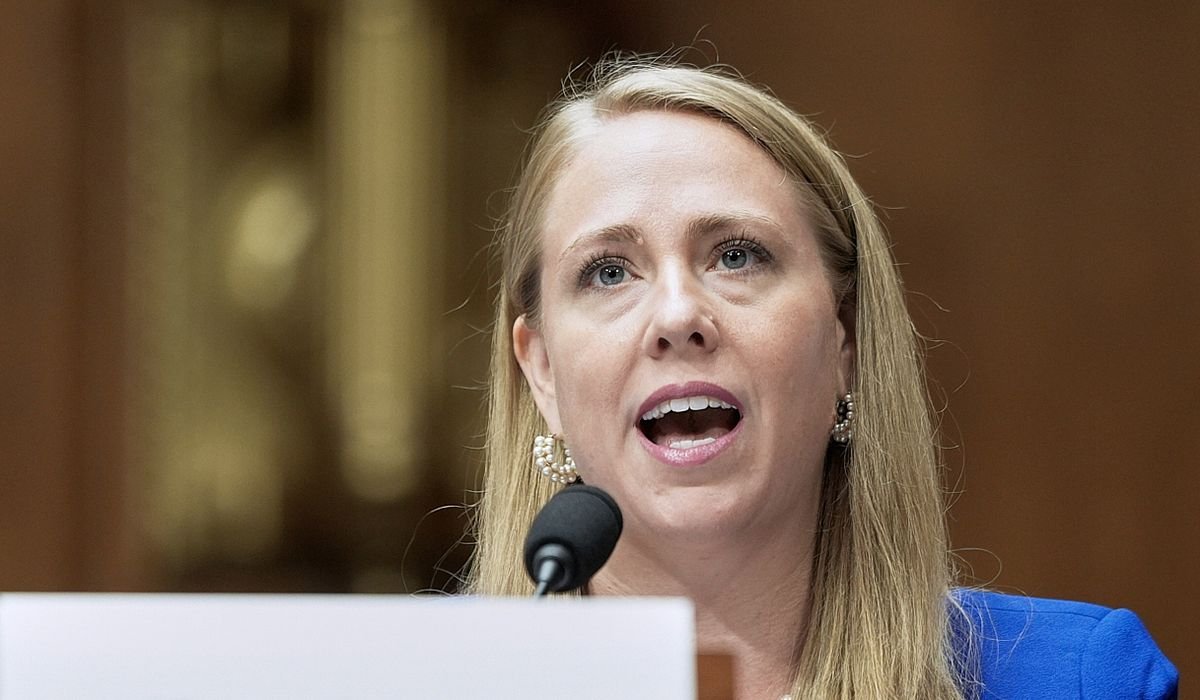
Civil rights advocates and researchers voiced their concerns at a public hearing on Tuesday regarding a federal proposal to discontinue the annual collection of workplace demographic data. The Equal Employment Opportunity Commission (EEOC) has mandated that tens of thousands of private sector employers submit this data for over sixty years, emphasizing its role in monitoring discrimination.
During the more than two-hour session, 22 speakers predominantly opposed the elimination of the EEO-1 report, which requires companies with at least 100 employees to report on gender and racial representation across various job roles. They argue that discontinuing this requirement would severely impair efforts to combat workplace discrimination, particularly affecting women and racial minorities.
Contrarily, six speakers endorsed the proposal, aligning with the Trump administration’s view that collecting this data is burdensome and could lead to discriminatory practices. They contend that such reporting is not necessary for effective anti-discrimination enforcement.
The EEOC, under a Republican majority, voted 2-1 to halt the collection of EEO-1 data, suggesting it encourages bias rather than mitigates it. Advocates for the proposal argue that the data is outdated and inconsistently applied, potentially leading to stereotyping.
In contrast, employer representatives emphasized the importance of EEO-1 data in identifying discriminatory practices within their organizations. They cited examples of how member companies have utilized this information to enhance diversity and address hiring disparities. Critics of the proposal express concern that rolling back data collection would leave significant gaps in understanding workforce demographics and hinder future progress against discrimination.
Why this story matters: The outcome of this proposal could significantly impact workplace diversity efforts and the enforcement of anti-discrimination laws.
Key takeaway: The debate highlights a fundamental conflict between civil rights advocates who support robust data collection and conservative groups seeking to reduce regulatory burdens.
Opposing viewpoint: Critics of EEO-1 data collection argue that it is outdated and may not effectively serve its intended purpose in combating discrimination.