

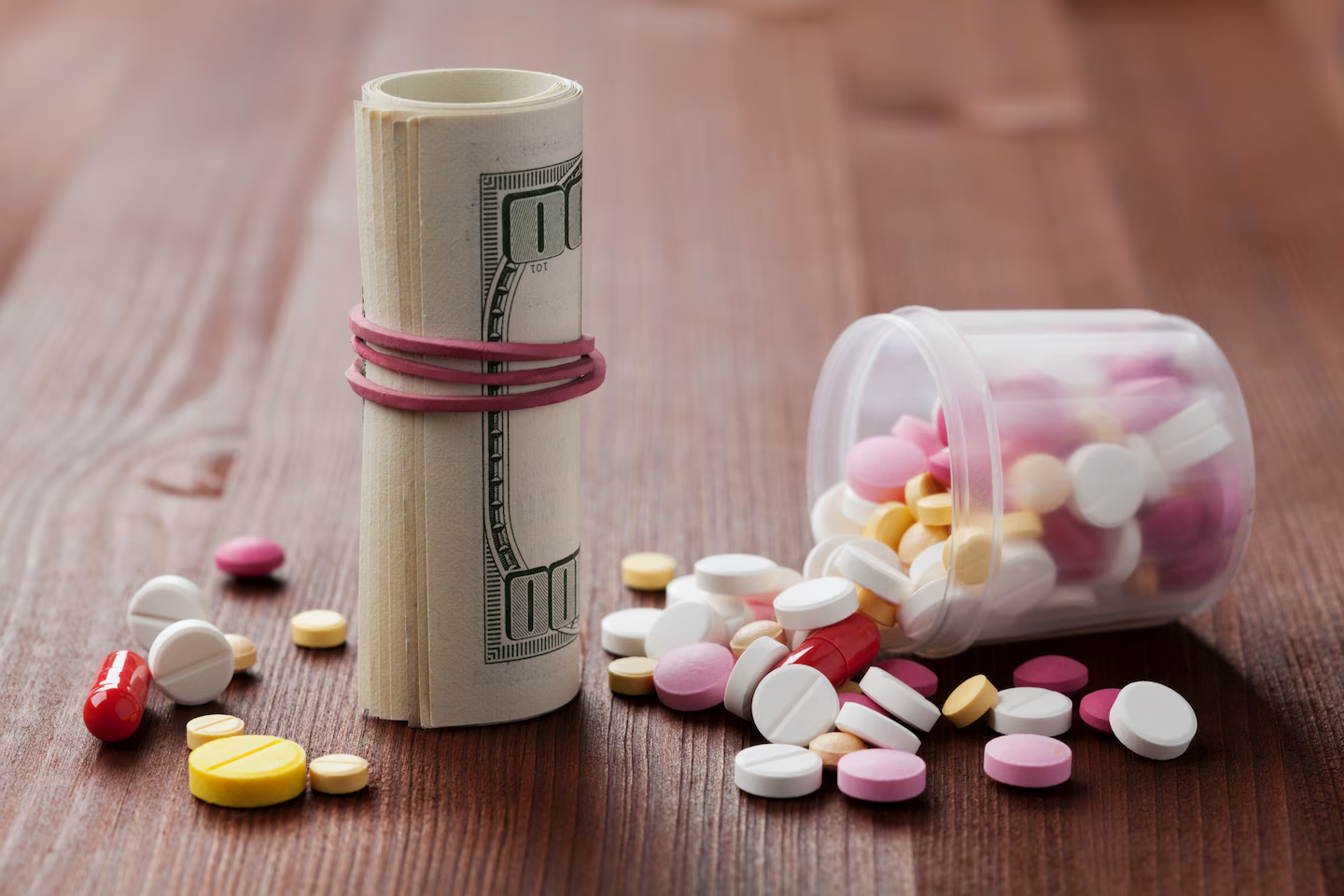
Prescription drug prices experienced a notable decline of 3.1 percent for the year ending in July, marking the sharpest annual drop since 1963. This reduction occurred amid a broader trend of rising overall medical costs. The decrease in prescription drug prices has drawn attention as a significant shift in the healthcare landscape, reflecting changes in market dynamics and potential policy impacts.
Healthcare analysts suggest that various factors contributed to this decline. These include increased competition among pharmaceutical companies, the introduction of generic medications, and potential market regulations aimed at lowering drug prices. The trend indicates a growing awareness of the financial burden that high medication costs impose on patients and the healthcare system as a whole.
While the decrease in drug prices is encouraging for consumers, it raises concerns about the long-term sustainability of pharmaceutical innovation and development. Some industry experts warn that significant price reductions could impact future research and development investments, potentially leading to fewer new treatments being brought to market.
This development prompts ongoing discussions regarding the balance between making medications affordable and ensuring the viability of pharmaceutical advancements. As stakeholders in the healthcare sector navigate these challenges, the implications of rising medical costs alongside lowering drug prices will continue to shape the conversation around healthcare reform and accessibility.
Why this story matters: The decline in prescription drug prices represents a rare positive trend within the rising costs of overall healthcare, potentially easing financial burdens on consumers.
Key takeaway: A 3.1 percent reduction in prescription drug prices is the most significant drop since 1963, indicating shifts in the pharmaceutical market.
Opposing viewpoint: Concerns exist that lower drug prices may hinder pharmaceutical innovation and research funding, potentially impacting the development of new medications.