


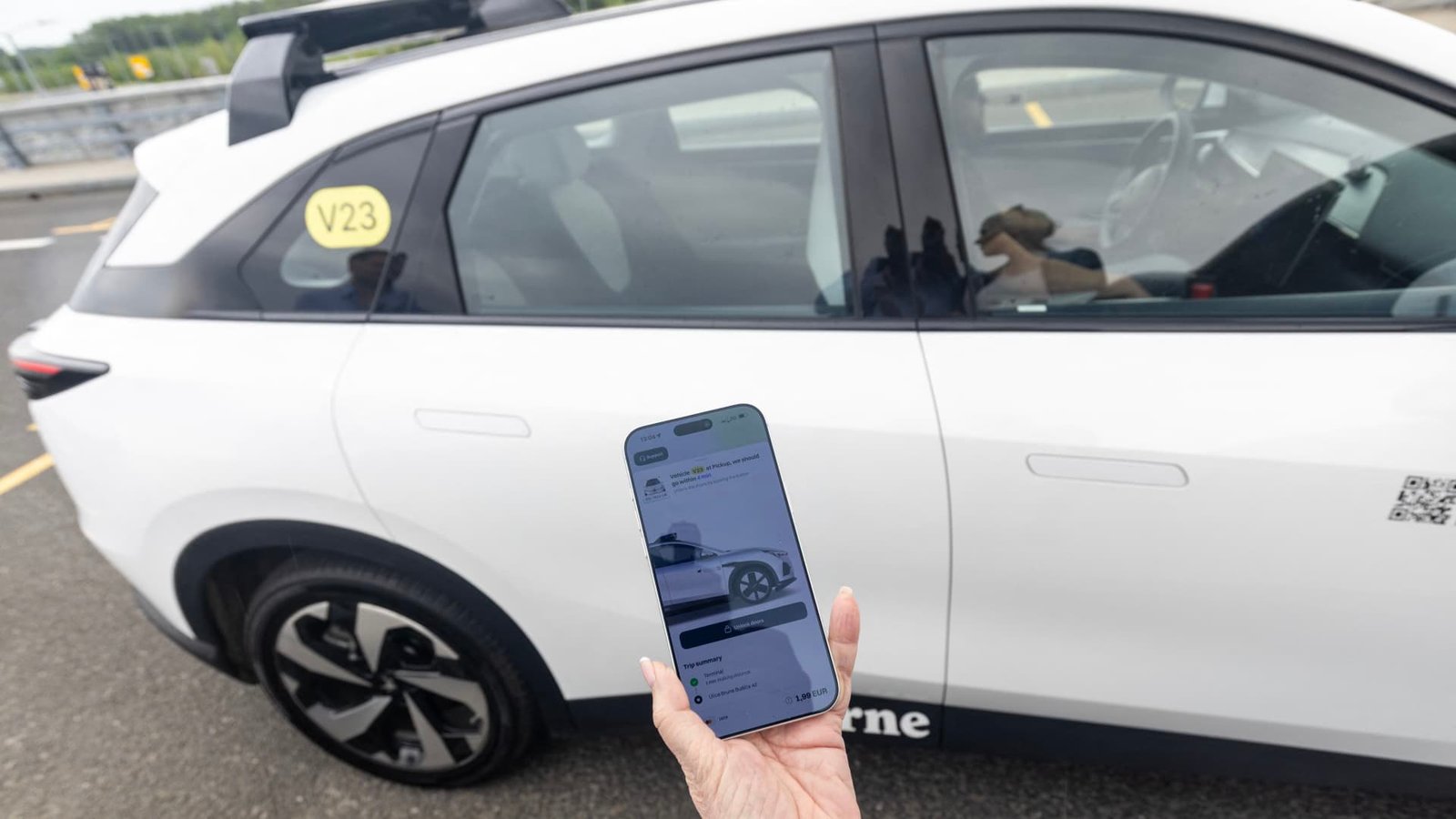
Uber, in collaboration with Chinese firm Pony.ai, has introduced robotaxi services in Zagreb, Croatia, marking what they describe as the first such service in Europe. This launch, which began in spring 2026, is part of a broader strategy to expand the rollout of autonomous vehicle services across Europe and into the Middle East. The partnership aims to deploy a fleet of 2,000 self-driving taxis in various locations, although the company has yet to disclose which cities will be included or specify a timeline for this expansion.
The ability to operate a large fleet of vehicles is seen as crucial for the success of these services, as it allows for the collection of significant data necessary for proving safety to regulators and improving operational efficiency. With increased availability, user interest and adoption are expected to rise.
Meanwhile, Alphabet’s Waymo leads the global robotaxi market, operating around 5,000 vehicles primarily in the U.S. Waymo is also expanding its initiatives in Europe and has made moves to establish operations in Tokyo. Rivals such as Baidu’s Apollo Go and WeRide are intensifying efforts to introduce autonomous transportation in Europe, with WeRide and Uber planning to trial robotaxis in Madrid later this year.
Uber has also taken steps in Japan, where its subsidiary signed an agreement with a local taxi operator to manage operations for a robotaxi trial in Tokyo. CEO Dara Khosrowshahi emphasized the company’s ambition to become a leading platform for the commercialization of autonomous vehicles while improving data collection to facilitate this technology’s development.
Why this story matters:
- It illustrates the growing trend of autonomous vehicle services in Europe, highlighting competition among major players.
Key takeaway:
- Uber and Pony.ai aim to establish a significant presence in the European robotaxi market through extensive fleet deployment and data collection.
Opposing viewpoint:
- Some critics raise concerns about the safety and regulatory challenges associated with widespread robotaxi implementation.