



Dividend stocks are often overshadowed by the popularity of growth-oriented investments like AI companies. However, they can provide significant long-term value through consistent, increasing payouts. Financial strategists emphasize the importance of considering both growth and income potential when selecting dividend stocks, advising against the temptation to chase high yields alone.
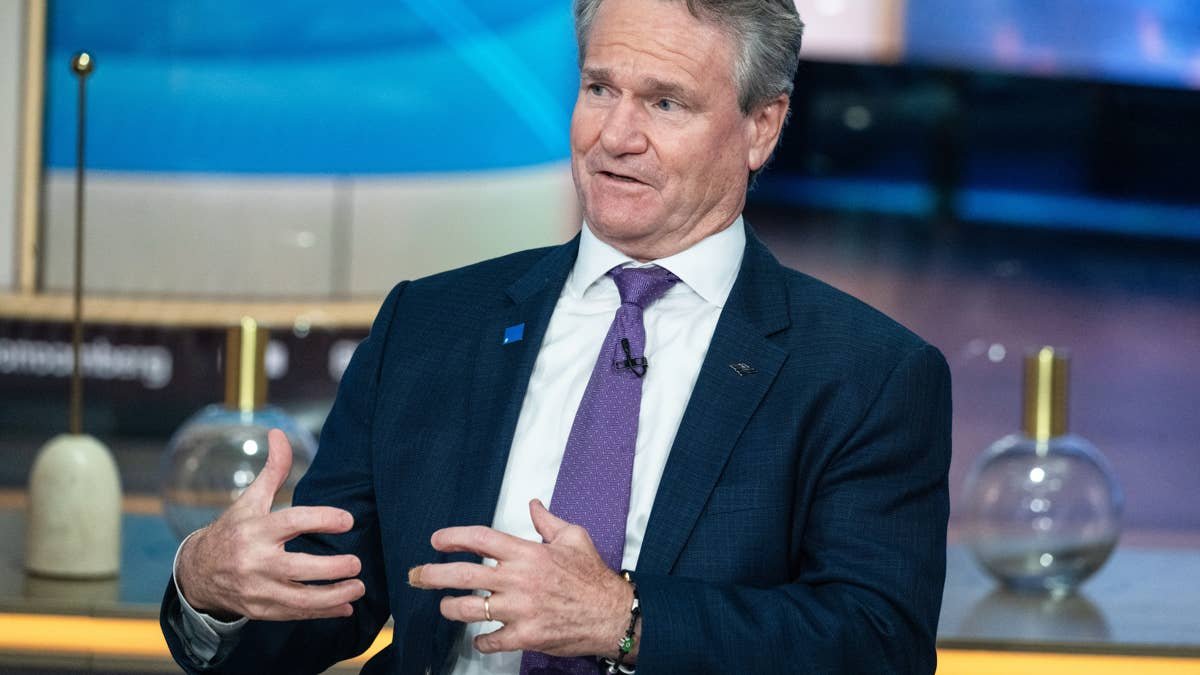
A prime example of this principle is Bank of America. The bank recently raised its dividend by 14%, increasing the quarterly payout from $0.28 to $0.32 per share. This hike, effective September 25 for shareholders on record as of September 4, elevates the annual dividend to $1.28 per share. Bank of America’s CEO, Brian Moynihan, attributed this increase to the strength of the bank’s earnings and overall performance.
Warren Buffett’s Berkshire Hathaway continues to be a significant stakeholder in Bank of America, owning over 483 million shares. Despite a modest reduction in its stake this summer, Berkshire remains poised to earn approximately $619 million annually from dividends alone, even as it reshapes other parts of its portfolio.
Bank of America has a robust dividend history, having paid out yearly dividends since 1991. The company reported a net income of $9.1 billion in the second quarter, a 27% increase from the previous year, which supports the decision to increase dividends. Analysts have reacted positively, with firms like JPMorgan and UBS lifting their price targets, suggesting confidence in the bank’s continued growth.
While Berkshire trims its holdings in Bank of America, the bank continues to demonstrate strong financial health, making it an attractive choice for income-focused investors.
Key Points:
- Why this story matters: Bank of America’s dividend increase signals financial strength, highlighting the allure of dividend stocks amidst growth-focused investments.
- Key takeaway: Steady earnings growth and a low payout ratio position Bank of America as a leading dividend stock among major banks.
- Opposing viewpoint: Some may argue that Berkshire’s reduction in its stake indicates a lack of confidence in Bank of America’s long-term potential despite its recent successes.