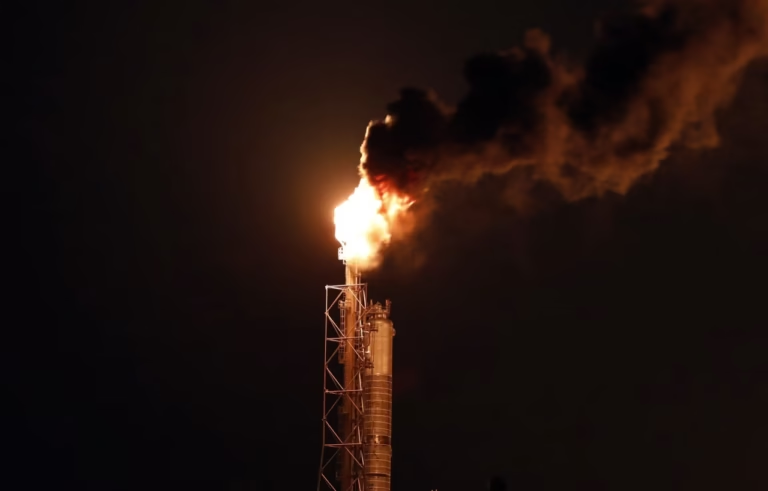


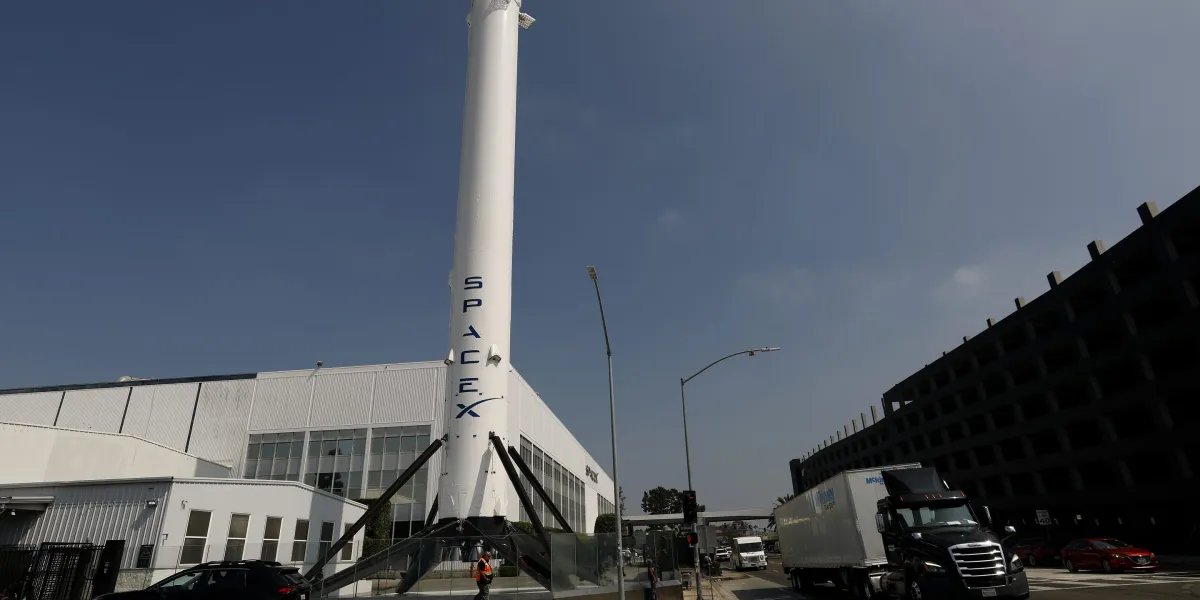
Elon Musk’s SpaceX is actively seeking a trader to establish and lead a natural gas trading team, reflecting the company’s escalating fuel and power requirements. The newly created role emphasizes both physical and financial aspects of natural gas trading, underscoring the significance of this energy source in facilitating SpaceX’s ambitions in chipmaking and space exploration.
Earlier this month, SpaceX announced plans to construct gas-fired power plants to meet the electricity demands of a large semiconductor manufacturing facility being developed in Texas, in collaboration with Tesla Inc. The growing energy consumption from data centers and new manufacturing sites has intensified the need for additional gas power plants, aligning with Musk’s strategy of vertical integration.
SpaceX also intends to develop its own natural gas pipelines and explore drilling for natural gas, according to statements made by Gwynne Shotwell, the company’s president and COO, in June. These initiatives represent significant investments aimed at producing the propellant necessary for their rockets, particularly the Starship, which utilizes super-chilled methane—the primary component of natural gas—combined with liquid oxygen.
Notably, other major technology firms, such as Meta and OpenAI, are also exploring power trading as their energy demands grow. The job posting for the SpaceX trading position indicates locations in Cape Canaveral, Florida, or Starbase, Texas, rather than traditional trading hubs, and excludes the option for remote work.
SpaceX has not provided a statement regarding this announcement.
Why this story matters:
- Highlights SpaceX’s strategic investment in energy solutions to support its technological ambitions.
Key takeaway:
- The establishment of a natural gas trading team signifies SpaceX’s commitment to ensuring a reliable energy supply for its operational needs.
Opposing viewpoint:
- Concerns about increased fossil fuel reliance may conflict with sustainable energy goals within the tech industry.