


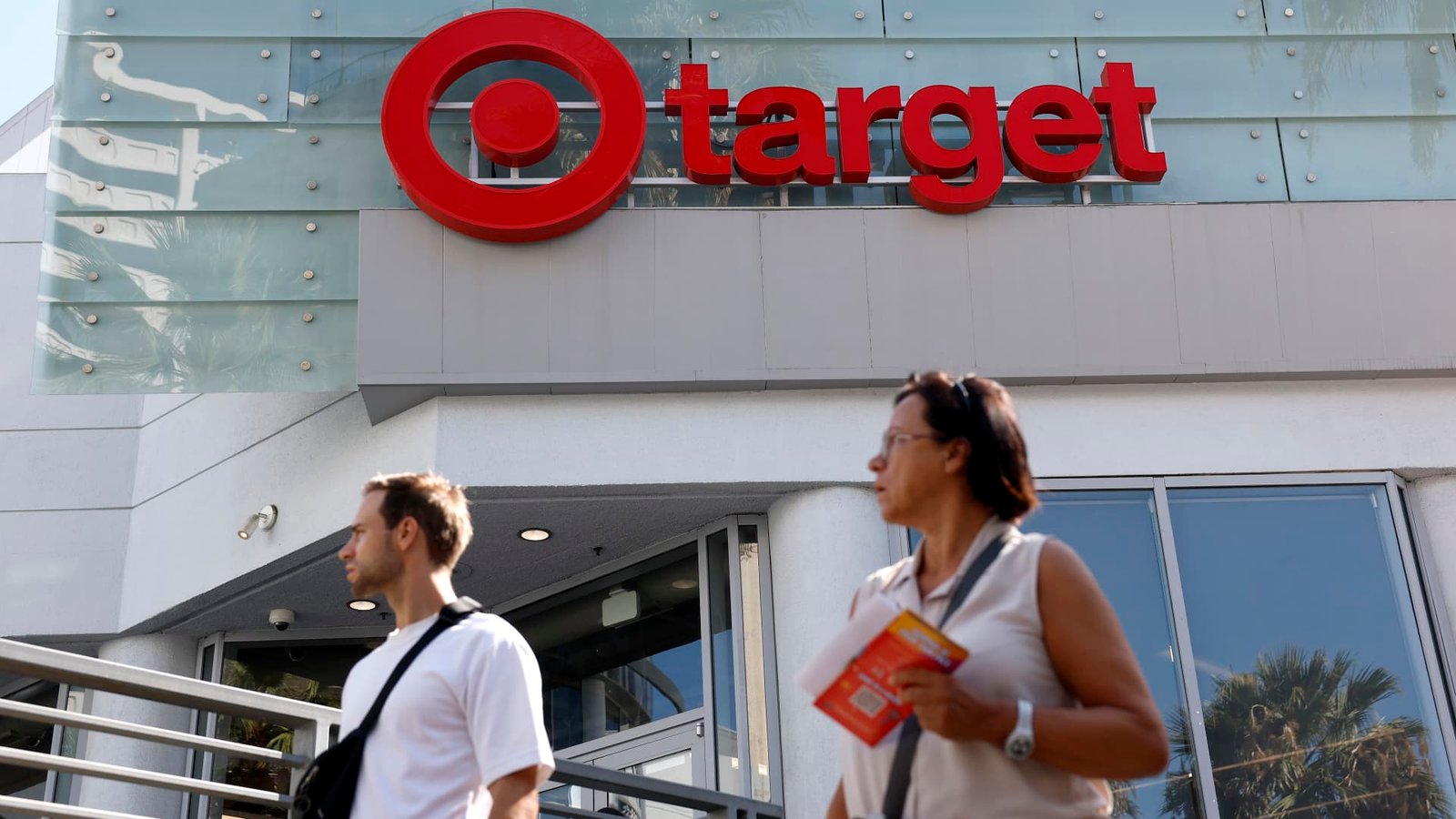
A Target store in Los Angeles, California, has become part of the ongoing discussion surrounding the financial impacts of tariff refunds on major retailers following a Supreme Court ruling that limited the government’s authority to impose certain tariffs. The ruling has enabled many retailers to seek refunds, significantly boosting their profits in the second quarter of 2026.
These refunds, which began to be processed after the ruling, have provided a financial cushion to retailers facing rising costs, particularly in fuel. However, the way these refunds are reported varies greatly among companies, leading to confusion for investors trying to interpret their financial health and future prospects. Bryan Eshelman from AlixPartners noted that the application of refunds can depend on a retailer’s market positioning, suggesting that value-focused companies often use the funds to lower prices.
Retailers like Home Depot and Walmart have explicitly announced their strategies for utilizing these refunds, with Home Depot attributing a portion of its gross margin increase to tariff funds and Walmart planning to lower consumer prices with its refunds. Conversely, Lowe’s opted to enhance profitability instead of passing on the savings directly to consumers, highlighting differing corporate strategies in response to the refunds.
The financial impacts of these tariff refunds are not only influencing current earnings but will also shape future fiscal comparisons. Investors are cautioned that inflated profit figures from this quarter will create higher benchmarks for future evaluations.
In this complex landscape, consumers may struggle to understand the relationship between price changes and tariff refunds, especially with other inflationary pressures at play. The evolving tariff situation may also push retailers to develop more resilient supply chains in the long run.
• Why this story matters
The outcome of tariff refunds significantly affects retail pricing and profitability, influencing both investor perceptions and consumer prices.
• Key takeaway
The handling of tariff refunds varies widely among retailers, complicating financial reporting and future expectations.
• Opposing viewpoint
Some retailers argue that prioritizing shareholder profitability over direct consumer price reductions is a viable strategy amid market challenges.