

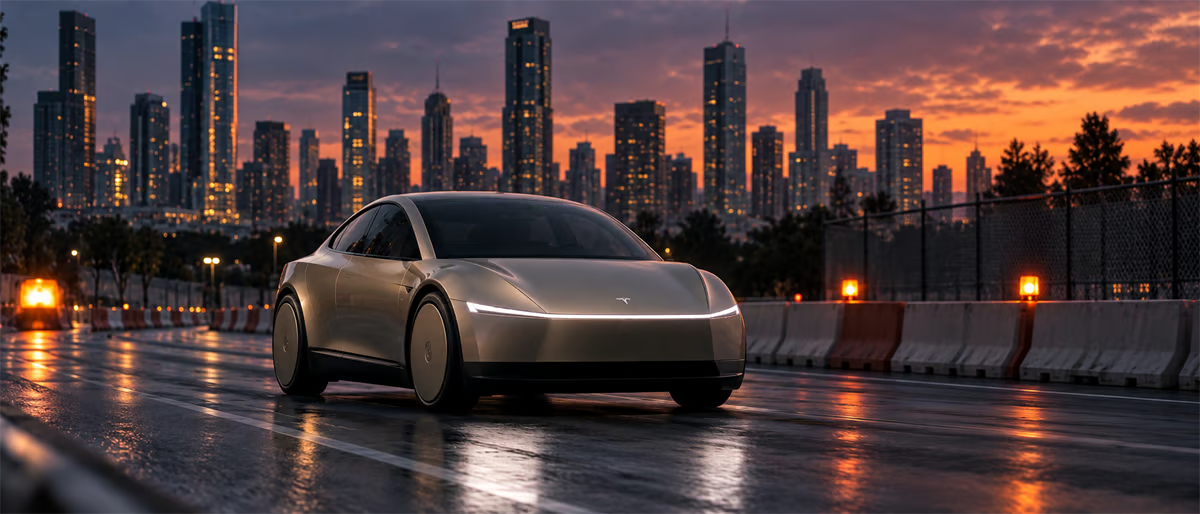
Anticipation for Tesla Inc.’s Cybercab launch peaked last Thursday, promising to solidify the company’s position in the self-driving vehicle race. However, the event fell short of expectations, lacking a livestream, the presence of CEO Elon Musk, and crucial details regarding pricing and operational scalability. This prompted a swift market reaction, resulting in an approximately 8% dip in stock value just before the long holiday weekend.
The launch, described by some as more of a limited trial in a specific area of Austin rather than a robust rollout, failed to provide investors with essential metrics such as fare structures or vehicle utilization rates. Analysts indicated that the absence of concrete data left ambiguity concerning whether Tesla was progressing towards a viable commercial venture or merely conducting cautious tests.
Further complicating the situation, federal safety regulators announced an investigation into the Cybercab, particularly its unconventional design that lacks a steering wheel or pedals. This investigation raises safety concerns that could hinder Tesla’s plans to deploy a nationwide self-driving taxi network. The rollout’s limited scale also ignited debate within the investment community; while some view Tesla’s cautious approach as prudent, others argue it signals a troubling lag behind competitors like Alphabet’s Waymo, which has reported extensive operational experience and market penetration.
Overall, last Thursday’s event served as an early marker for Tesla’s journey toward a sustainable robotaxi service but didn’t provide compelling evidence of immediate success.
Why this story matters: The Cybercab’s launch reflects significant hurdles in Tesla’s autonomous vehicle ambitions and investor sentiments.
Key takeaway: The launch exposed gaps in operational details and raised regulatory concerns, impacting Tesla’s stock and market confidence.
Opposing viewpoint: While some believe the cautious rollout is strategic, others see it as a sign of Tesla lagging behind established rivals.