

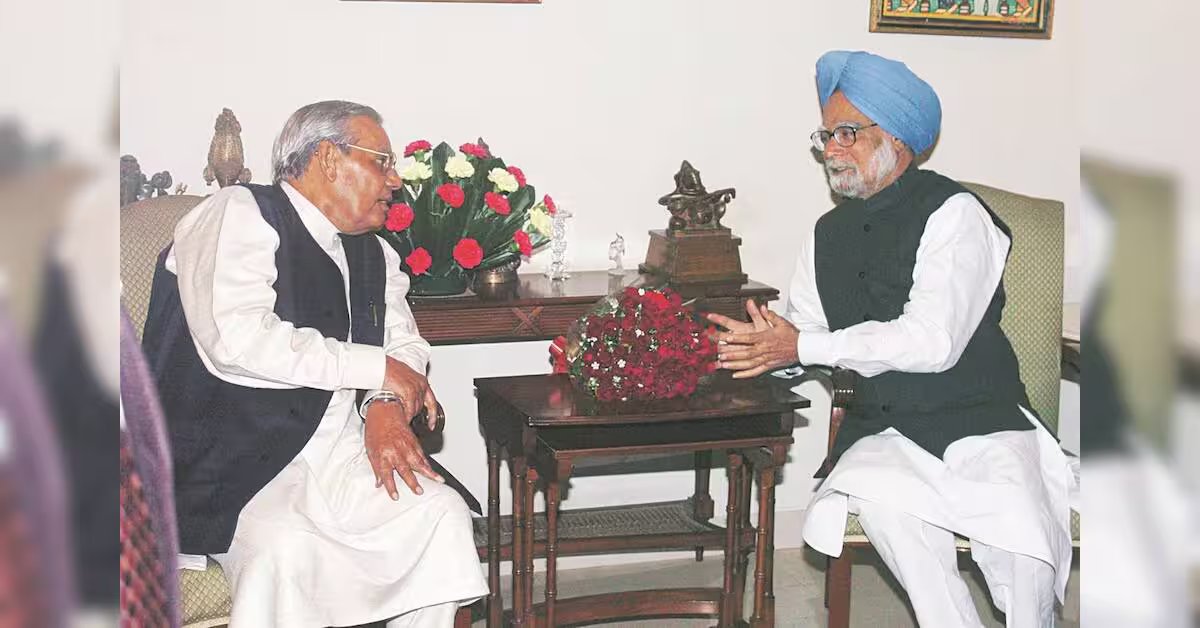
In the wake of the economic reforms initiated in 1991, the Indian political landscape experienced significant change over the ensuing three decades. Shortly after the reforms were unveiled by the Congress government under Prime Minister P.V. Narasimha Rao, both right and left-wing parties expressed strong opposition. Nevertheless, the government remained steadfast, believing these measures were crucial despite their political implications.
As the years progressed, six successive prime ministers adopted the core principles of these reforms, emphasizing privatization, foreign direct investment, and the dismantling of the license-permit raj. The Bharatiya Janata Party (BJP), particularly under leader Narendra Modi in the 2014 elections, prominently featured "reforms" in its campaign, indicating a broad acceptance of this economic agenda. Modi later acknowledged the lasting impact of the 1991 reforms, asserting that these changes stem from deep conviction rather than necessity.
Initially, the journey of economic reform was challenging, with public perception often skewed against it. Surveys indicated that many believed the rich benefitted disproportionately from these changes, leading to electoral losses for several governments attempting to communicate the benefits of reform. Nonetheless, political consensus gradually emerged, even among opposition parties that initially challenged the reforms.
Throughout this period, reforms continued to evolve, with successive administrations building upon the frameworks established by their predecessors. Notable initiatives included advancements in telecommunications, disinvestment strategies, social employment guarantees, and transparency measures via the Right to Information Act. These efforts collectively contributed to India’s robust economic growth.
Why this story matters: The economic reforms initiated in 1991 transformed India’s economy, setting a precedent for future governance and economic policy.
Key takeaway: The initial opposition to reforms gave way to a broad political consensus that has helped India achieve sustained economic growth over three decades.
Opposing viewpoint: Despite the reforms, many citizens still feel that economic growth benefits a limited segment of society, raising concerns about inequality and inclusivity.