


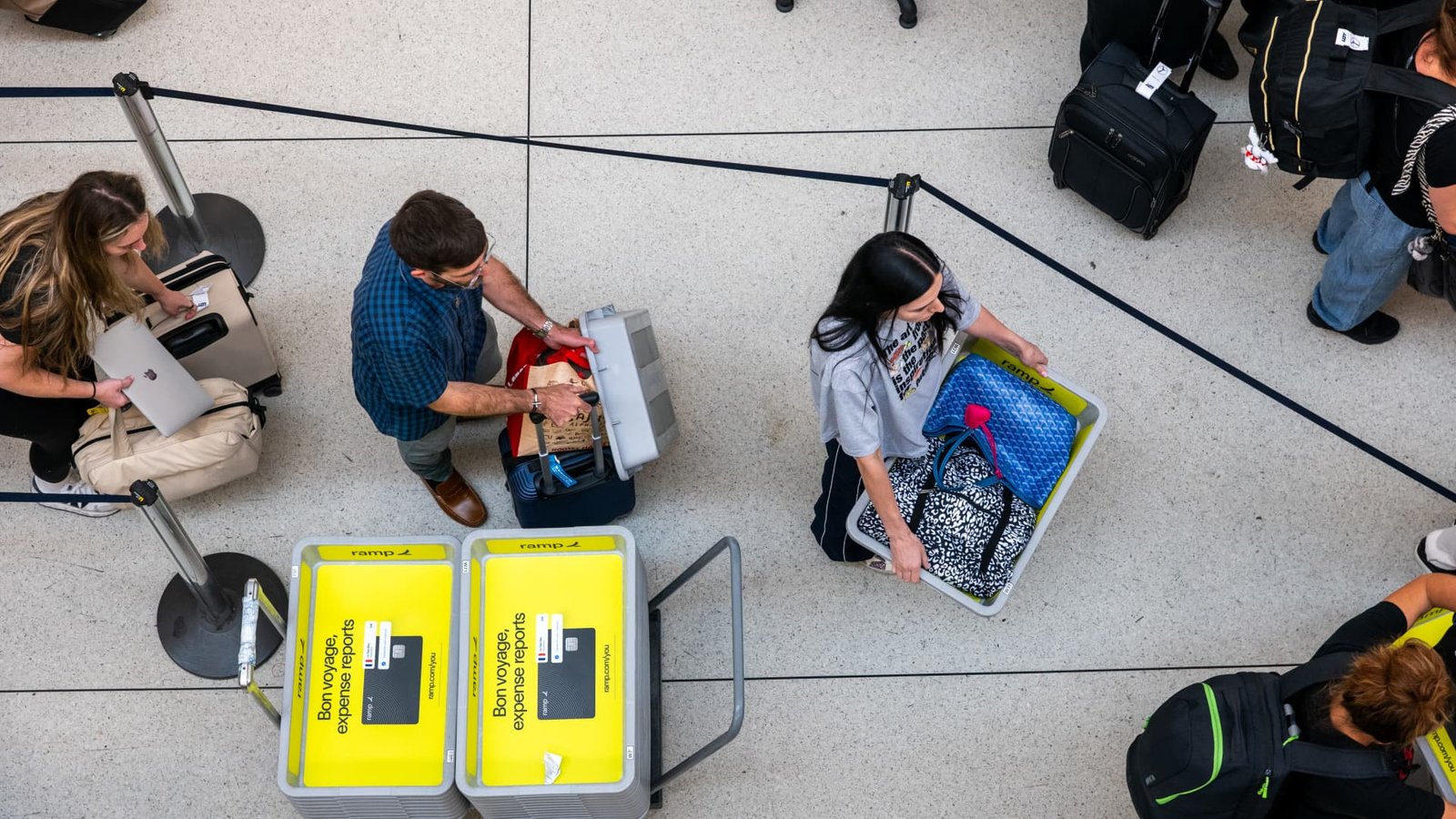
Changes in U.S. airport security protocols have begun to emerge as the nation approaches the 25th anniversary of the September 11 attacks. Since 2001, travelers have faced strict regulations, including the removal of shoes and limitations on liquids, aimed at addressing the evolving threat landscape. Recent updates from the Department of Homeland Security indicate a gradual easing of some restrictions.
Travelers can now leave their shoes on while going through security, a notable shift introduced in recognition of advancements in security technology following the infamous shoe bombing attempt in 2001. Although regulations regarding liquids in carry-ons remain largely unchanged since a 2006 plot was foiled, new scanners at select airports allow some passengers to keep liquids contained in their bags during screening.
The Transportation Security Administration (TSA) has also expanded options for expedited screening through its TSA PreCheck program, which costs approximately $76.75 for a five-year membership. This allows enrolled travelers to pass through security with fewer delays. A new initiative, “Gateside,” has been launched, permitting eligible trusted travelers to access secure gate areas without a boarding pass, enabling reunions and meetings at gates—a privilege largely curtailed since the attacks.
Despite the easing of certain restrictions, some recent changes have met resistance. The TSA recently abandoned its TSA Gold+ program, which aimed to privatize security at select airports, opting instead for a new partnership initiative to enhance security efficiency.
As the security landscape continues to evolve, challenges such as cybersecurity threats and the potential use of drones remain pressing concerns for airport security professionals.
Why this story matters: The evolution of airport security impacts millions of travelers and reflects broader trends in aviation safety.
Key takeaway: Several longstanding airport security measures are being relaxed as technology advances.
Opposing viewpoint: Critics argue that easing restrictions could expose vulnerabilities in aviation security amidst ongoing threats.